
Why Different Building Materials Require Different Paint Systems
The Right Paint System for Each Surface
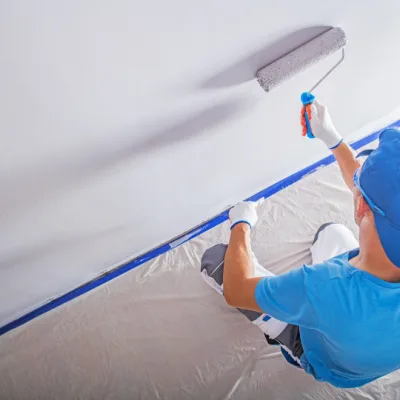
Concrete, timber, brick, metal and plasterboard all have different surface characteristics. Some materials absorb moisture, while others expand with temperature changes or develop corrosion when exposed to water. These differences influence how paint adheres, dries and performs over time. Selecting a suitable paint system is therefore essential for achieving a consistent finish and protecting building surfaces from environmental damage.
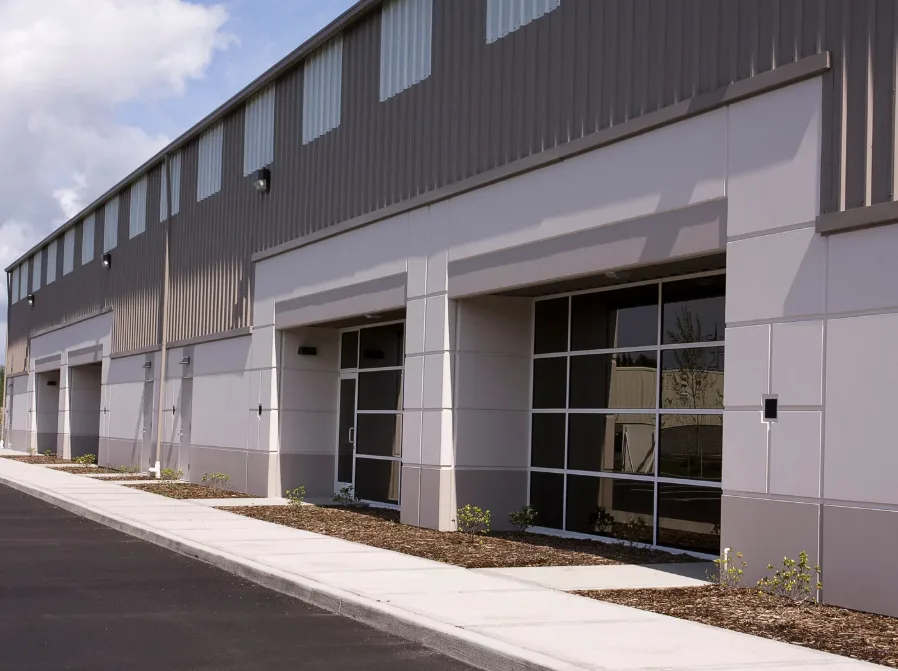
For commercial properties, choosing the correct coating is particularly important because different areas experience varying levels of wear, moisture and exposure. Experienced commercial building painters assess the condition, composition and intended use of each surface before selecting suitable primers, paints and protective coatings. Using the wrong combination can lead to peeling, cracking, bubbling and premature paint failure.
Concrete Surfaces Need Breathable and Protective Coatings
Concrete is widely used in commercial buildings because of its strength and durability. However, its porous structure allows moisture to move through the material, which can affect paint adhesion and the overall finish. Concrete surfaces may also contain alkaline compounds that can interfere with certain paint products.
Preparing Concrete Before Painting
Before applying paint, concrete should be properly cleaned to remove dust, dirt, oil and loose particles. Any cracks, surface damage or imperfections should be repaired. New concrete must also be sufficiently cured and dry before painting.
Selecting Suitable Paint Systems
Acrylic masonry paints and specialised concrete coatings are commonly used for concrete surfaces. These products provide good adhesion and help protect against weather exposure. In areas requiring additional resistance to abrasion, chemicals or heavy foot traffic, epoxy coatings may be considered.
The selected coating should also allow the surface to release trapped moisture where necessary. Applying an unsuitable non breathable coating can contribute to blistering and peeling.
Timber Requires Flexible Coatings to Handle Natural Movement
Timber is a natural building material that responds to changes in temperature and humidity. It expands when it absorbs moisture and contracts as it dries. This movement can cause rigid paint coatings to crack or separate from the surface.
Why Timber Preparation Matters
Timber surfaces should be clean, dry and free from loose paint, dirt and contaminants. Sanding helps create a suitable surface for coating application. Knots, gaps and damaged sections may require additional preparation before painting.
Bare timber often needs a suitable primer or sealer to improve adhesion and create an even base. The choice of primer may depend on the timber species and the presence of natural oils or tannins.
Choosing Flexible and Durable Paints
High quality acrylic paints and suitable timber coatings can accommodate minor surface movement while maintaining their appearance. Exterior timber may require additional protection against ultraviolet radiation, rain and temperature fluctuations.
For interior timber, the coating should also suit the intended use of the area. Doors, frames and handrails often need harder wearing finishes because they experience frequent handling and contact.
Metal Surfaces NeedCorrosion ResistantPaint Systems
Metal surfaces are commonly found in commercial buildings, including structural beams, railings, gates, doors, frames and industrial equipment. Unlike porous materials, metal does not absorb paint in the same way. Its main challenge is achieving proper adhesion while preventing corrosion.
Removing Rust and Surface Contamination
Rust, grease, oil and existing loose coatings can prevent paint from bonding correctly with metal. Proper preparation may involve mechanical sanding, wire brushing, abrasive blasting or specialised cleaning methods.
The preparation process depends on the metal type and its existing condition. Galvanised steel, aluminium and mild steel may each require different surface treatments and primers.
Applying Protective Metal Coatings
Anti corrosion primers are essential for many ferrous metal surfaces because they help prevent rust formation. Epoxy primers and specialised metal primers are commonly selected according to the substrate and exposure conditions.
A suitable topcoat, such as polyurethane or an appropriate metal enamel, provides additional protection against moisture, sunlight and general wear.
In industrial and coastal environments, selecting coatings with suitable chemical and weather resistance is particularly important.
Brickwork RequiresMasonry SpecificPaint Products
Brick is naturally porous and allows moisture to move through its surface. Its texture, absorption rate and mortar joints make it different from smooth materials such as plasterboard or metal.
Preparing Brickwork for Painting
Brick surfaces should be inspected for damaged mortar, efflorescence, dirt and signs of moisture penetration. Efflorescence appears as a white powdery deposit caused by soluble salts moving through the masonry.
These deposits should be addressed before painting. Any underlying moisture problems should also be identified and corrected to reduce the risk of coating failure.
Selecting Appropriate Masonry Coatings
Breathable masonry paints are generally suitable for many brick surfaces because they allow water vapour to escape while providing protection against external weather conditions.
A compatible masonry primer or sealer may be required depending on the brick's porosity and condition. Choosing a coating that is too restrictive can trap moisture and contribute to peeling, blistering and deterioration.
Plasterboard Needs Smooth and Consistent Paint Finishes
Plasterboard is commonly used for internal walls and ceilings in offices, retail spaces and commercial buildings. Its paper surface and joint compounds absorb paint differently, which can result in uneven colour and sheen if the preparation is inadequate.
Preparing Plasterboard for Painting
New plasterboard requires proper joint finishing, sanding and dust removal. Any imperfections should be corrected before applying paint. Particular attention should be given to joints, corners and repaired sections.
Choosing the Right Primer and Topcoat
A suitable plasterboard sealer or primer helps create consistent absorption across the entire surface. Without this step, differences between the paper facing and joint compounds may remain visible after painting.
Water based acrylic paints are commonly used for internal plasterboard surfaces. Low sheen and matt finishes are popular for walls, while suitable ceiling paints help create a uniform appearance.
Why Surface Preparation and Primer Selection Matter
Even high quality paint products can fail when applied to an incorrectly prepared surface. Each building material requires a preparation process that addresses its specific characteristics.
Improving Paint Adhesion
Primers create a suitable foundation for subsequent paint layers. They help improve adhesion, regulate surface absorption and provide additional protection where required. However, not every primer is suitable for every material.
Preventing Common Coating Problems
Incorrect paint selection and inadequate preparation can lead to several problems, including:
- Peeling: Often occurs when paint cannot bond properly with the underlying surface.
- Blistering: Can develop when moisture or trapped air affects the coating.
- Cracking: May result from surface movement or an inflexible paint system.
- Uneven finishes: Can occur when different areas absorb paint at different rates.
- Corrosion: Develops when metal surfaces lack appropriate protective coatings.
Professional assessment helps identify these risks before painting begins and ensures that each surface receives suitable treatment.
Factors to Consider When Selecting Commercial Paint Systems
Commercial buildings often contain several construction materials within the same property. Selecting paint systems requires consideration of more than appearance alone.
Environmental Exposure
External surfaces face rain, sunlight, temperature changes and airborne pollutants. Internal surfaces may experience humidity, cleaning chemicals and regular physical contact. Coatings should be selected according to these conditions.
Building Usage and Maintenance
A warehouse, office, retail centre and educational facility have different coating requirements. High traffic areas may need more durable finishes, while decorative spaces may prioritise colour consistency and appearance.
Product Compatibility
Primers, intermediate coatings and topcoats should be compatible with one another. Mixing unsuitable products can affect adhesion, drying times and long term performance.
Experienced painting contractors evaluate these factors when planning projects, helping ensure that each coating system is appropriate for the building material and its intended application.
Frequently Asked Questions
1. Why Can't the Same Paint Be Used on Every Building Material?
Different materials have different levels of porosity, flexibility and surface adhesion. Using one paint system across all materials may cause peeling, cracking or uneven finishes. Each surface requires compatible preparation, primers and coatings.
2. Does Every Building Material Require a Primer Before Painting?
Not every surface requires the same primer, but many materials benefit from one. Concrete, timber, metal and plasterboard often need specific primers to improve adhesion, control absorption or provide additional protection.
3. What Happens If the Wrong Paint System Is Applied?
An unsuitable paint system can lead to bubbling, peeling, cracking, corrosion and moisture related damage. These problems may require additional surface preparation and repainting, increasing maintenance costs.
4. How Do Professional Painters Select the Right Paint System?
Professional painters assess the building material, existing surface condition, environmental exposure and intended use of the area. They then select compatible primers, coatings and application methods to achieve a durable and suitable finish.
0 comments
Log in to leave a comment.
Be the first to comment.