
Why Cotton Handloom Dhotis Are Comfortable in Indian Weather
Dressing for the diverse and often demanding Indian climate requires careful thought. From the humid coasts to the dry, searing heat of the plains, the choice of fabric can make all the difference between comfort and discomfort. For centuries, one garment has remained a symbol of both tradition and supreme practicality: the dhoti. When crafted from handloom cotton, this simple piece of attire becomes an exceptionally effective tool for staying cool, making it an enduring favourite across the subcontinent.
This article explores the unique characteristics of handloom cotton and explains why it makes the perfect material for dhotis in Indian weather conditions.
The Unique Nature of Handloom Cotton
To understand why a handloom dhoti feels so comfortable, we must first appreciate the fabric itself. Unlike the uniform, densely packed structure of machine-milled cloth, handloom fabric is woven manually on a loom. This traditional process, powered by human skill, introduces tiny, almost imperceptible variations in the weave.
These subtle irregularities are the secret to the fabric's remarkable properties. They create a unique texture that is not only soft to the touch but also inherently more porous. This porosity allows air to pass through the fabric more freely, a crucial feature for comfort in warm climates. Furthermore, the manual process is gentler on the cotton fibres, preserving their natural strength and softness without the need for harsh chemical treatments.
Key Advantages for a Tropical Climate
The inherent qualities of handloom cotton translate into tangible benefits when worn in hot and humid environments. The design of the dhoti, with its loose and flowing drape, works in perfect harmony with the fabric to maximise these advantages.
Superior Airflow and Ventilation
The primary reason for discomfort in the heat is trapped air and moisture. The porous weave of handloom cotton directly addresses this issue. It allows for constant air circulation between the fabric and the skin, which helps to dissipate body heat and encourages the evaporation of sweat. This natural ventilation system prevents the sticky, clammy feeling often associated with synthetic or densely woven materials, keeping the wearer feeling fresh and cool throughout the day. The comfort of a handloom dhoti is significantly enhanced by this breathability.
Excellent Moisture Management
Cotton is well-known for its absorbency, and handloom cotton excels in this regard. It can absorb a significant amount of moisture without feeling damp. More importantly, because of its breathable structure, the fabric also dries quickly. This wicking action pulls perspiration away from the skin, preventing irritation and allowing the body's natural cooling mechanism to function efficiently. This makes handloom cotton dhotis particularly suitable for humid conditions where sweating is persistent.
Lightweight and Gentle on the Skin
In hot weather, heavy clothing can feel restrictive and burdensome. Handloom fabrics are typically lightweight, providing a feeling of ease and freedom of movement. The fibres remain soft and supple, meaning the cloth is less likely to chafe or irritate the skin, even after prolonged wear. This gentle quality is especially important when the skin is more sensitive due to heat and sweat.
Practicality and Modern Accessibility
Beyond its climatic advantages, handloom cotton is also a practical choice. The fabric is surprisingly durable, with the strong, hand-spun yarns holding up well to regular use and washing. This longevity makes it a sustainable and cost-effective option over time. The versatility of these garments means they are just as appropriate for quiet moments at home as they are for formal ceremonies and festivals.
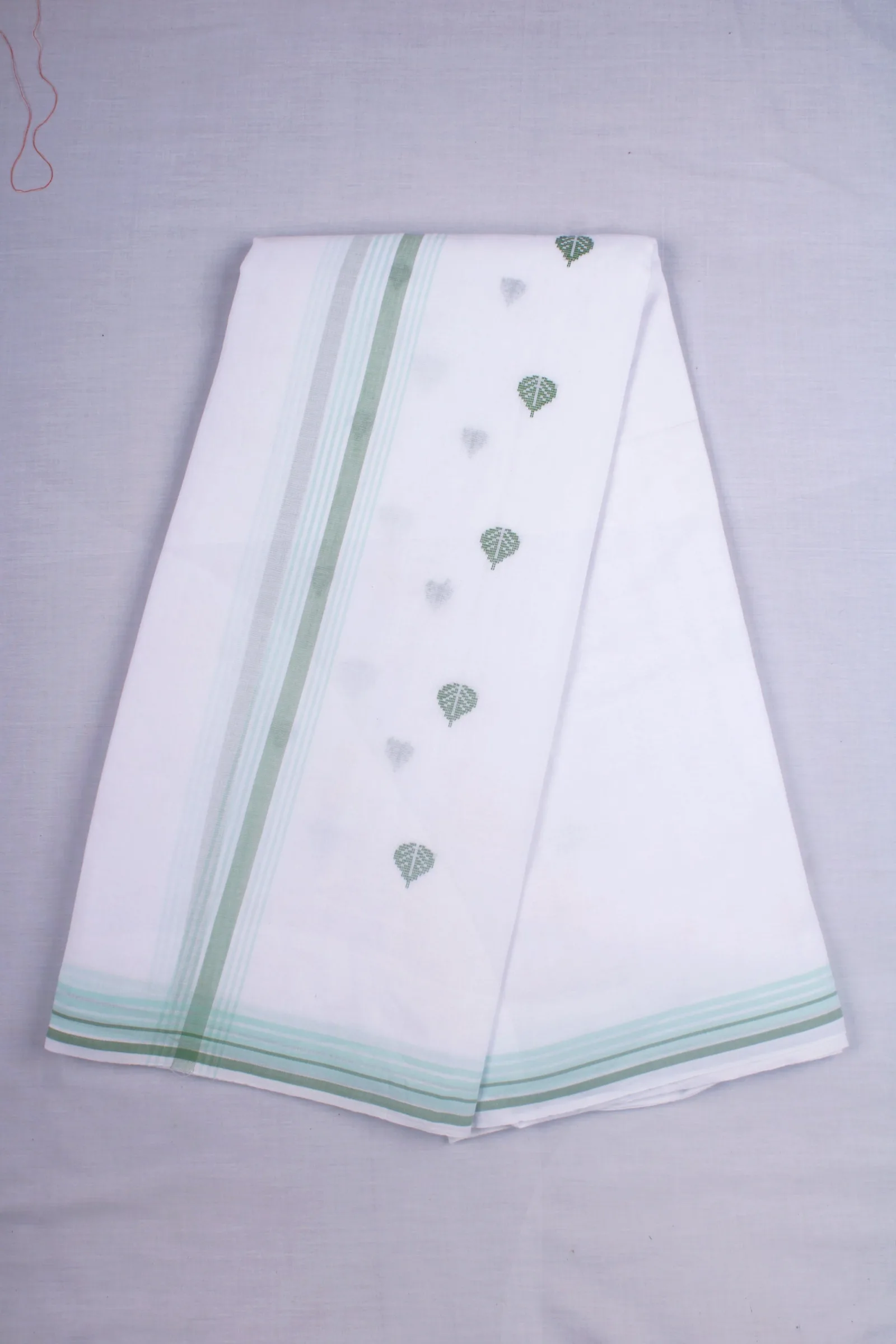
In the past, acquiring authentic handloom garments might have required a visit to a specific region or artisan collective. Today, however, it is far easier to find a high-quality handloom dhoti online, connecting consumers directly with the rich textile heritage of India. This has also increased the visibility of the sheer variety of handloom cotton dhoties available, from simple, unadorned white cloths to those with intricately woven borders (zari).
Conclusion
The enduring popularity of the handloom dhoti in India is no accident. It is a testament to a deep, practical understanding of how to live comfortably in a challenging climate. The unique properties of handloom cotton—its exceptional breathability, superior moisture management, and lightweight softness—make it the ideal fabric for hot and humid weather. It offers a perfect blend of tradition, comfort, and simple elegance that mass-produced textiles cannot replicate. Choosing a handloom garment is not just an investment in personal comfort; it is also an appreciation of a timeless craft.
For those interested in exploring garments that embody these principles of comfort and traditional craftsmanship, a visit to Shramdaan. They offer a chance to see a curated collection of authentic handloom textiles. Shop Now.
0 comments
Log in to leave a comment.
Be the first to comment.