
Why Are Tele ICU Services Becoming Essential for Modern Hospitals?

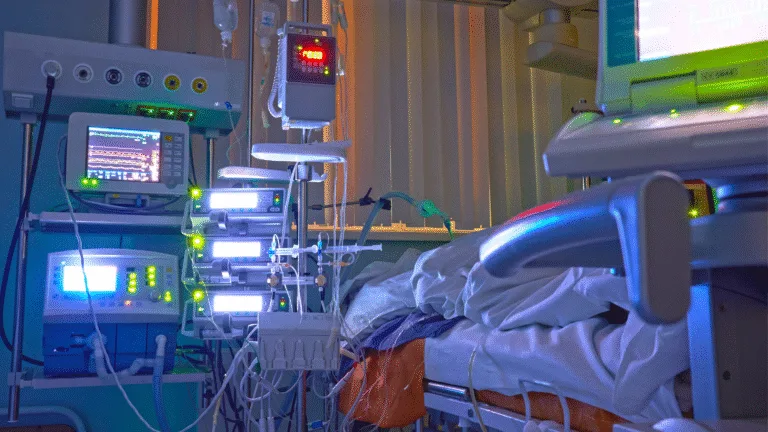
In modern healthcare ecosystems, hospitals are rapidly adopting digital critical care solutions to improve patient outcomes and reduce mortality in intensive care units. Institutions like NIAC are contributing to this transformation by supporting advanced ICU connectivity and monitoring frameworks. One of the most significant innovations driving this shift is Tele ICU services, which enable real-time remote monitoring of critically ill patients through centralized command centers staffed by intensivists and critical care specialists. These systems help bridge gaps in ICU expertise, especially in hospitals facing workforce shortages or high patient loads. As healthcare becomes more complex, the integration of smart ICU technologies is no longer optional but essential for delivering consistent, high-quality care across locations.
How Tele ICU Services Improve Remote Critical Care Monitoring in Multi-Specialty Hospitals
Multi-specialty hospitals often manage high volumes of critically ill patients requiring continuous observation. Tele ICU services enhance this process by connecting bedside ICU teams with remote critical care experts who can monitor patient vitals, ventilator settings, and lab results in real time.
This hybrid care model strengthens decision-making and reduces response delays in emergencies.
Real-time patient monitoring using centralized dashboards
Early detection of deterioration in ICU patients
Continuous support for bedside nurses and junior doctors
Improved adherence to clinical protocols in complex cases
24/7 oversight by remote intensivist teams
The use of Tele ICU services in such environments ensures that even in resource-heavy hospitals, no critical warning signs are missed, thereby improving survival rates and reducing complications.
Benefits of Tele ICU Services for Shortage of Intensivists in Rural and Urban Hospitals
One of the biggest challenges in healthcare delivery is the shortage of trained intensivists, especially in rural and semi-urban regions. Hospitals are increasingly relying on remote ICU support systems to address this gap efficiently.
Tele ICU models allow a single expert team to supervise multiple ICUs across different locations, ensuring standardized care.
Access to specialist care in remote and underserved regions
Reduced dependency on on-site intensivist availability
Faster escalation of critical cases to senior experts
Cost-effective ICU management for small and mid-sized hospitals
Continuous training and guidance for ICU staff
By integrating digital ICU support, hospitals can significantly reduce disparities in critical care access and improve outcomes even in geographically isolated areas.
Why Hospitals Are Adopting Tele ICU Services for Patient Safety and Operational Efficiency
Hospitals are under increasing pressure to deliver safer, faster, and more efficient care while managing limited resources. Tele ICU systems are becoming a strategic solution to meet these demands.
These platforms improve workflow efficiency and reduce clinical errors by enabling structured, protocol-driven care delivery. They also help hospitals optimize ICU bed utilization and reduce unnecessary patient transfers.
Standardized treatment protocols across multiple ICUs
Reduced risk of human error in high-pressure ICU environments
Improved ICU bed management and resource allocation
Faster clinical interventions during emergencies
Enhanced collaboration between remote and on-site teams
In the middle of hospital operations, Tele ICU services act as a critical layer of intelligence that connects technology with clinical expertise, ensuring timely and accurate medical decisions.
Conclusion
The growing complexity of critical care demands smarter, more connected healthcare systems. Tele ICU services are emerging as a foundational element of modern hospital infrastructure by improving access to expertise, strengthening patient monitoring, and enhancing operational efficiency. As hospitals continue to evolve toward digital-first care models, the adoption of remote ICU solutions will play a pivotal role in reducing mortality rates and improving clinical outcomes. Ultimately, integrating Tele ICU services into hospital systems is not just an innovation—it is becoming a necessity for delivering safe, scalable, and high-quality critical care in today’s healthcare landscape.
0 comments
Log in to leave a comment.
Be the first to comment.