
Who Is a Good Candidate for Sleeve Gastrectomy in Islamabad?
Obesity is more than a cosmetic concern—it is a chronic health condition that can affect nearly every aspect of physical and emotional well-being. For many people, diet plans, exercise routines, and medications may not provide sustainable weight loss, especially when obesity has

Obesity is more than a cosmetic concern—it is a chronic health condition that can affect nearly every aspect of physical and emotional well-being. For many people, diet plans, exercise routines, and medications may not provide sustainable weight loss, especially when obesity has reached an advanced stage. In such cases, bariatric surgery becomes a medically recommended option that offers long-term results when combined with healthy lifestyle changes.
If you have been considering Sleeve Gastrectomy in Islamabad, understanding whether you are an ideal candidate is the first step toward making an informed decision. This guide explains who qualifies for the procedure, its benefits, eligibility requirements, preparation, recovery, and frequently asked questions to help you determine if this life-changing surgery is right for you.
What Is Sleeve Gastrectomy?
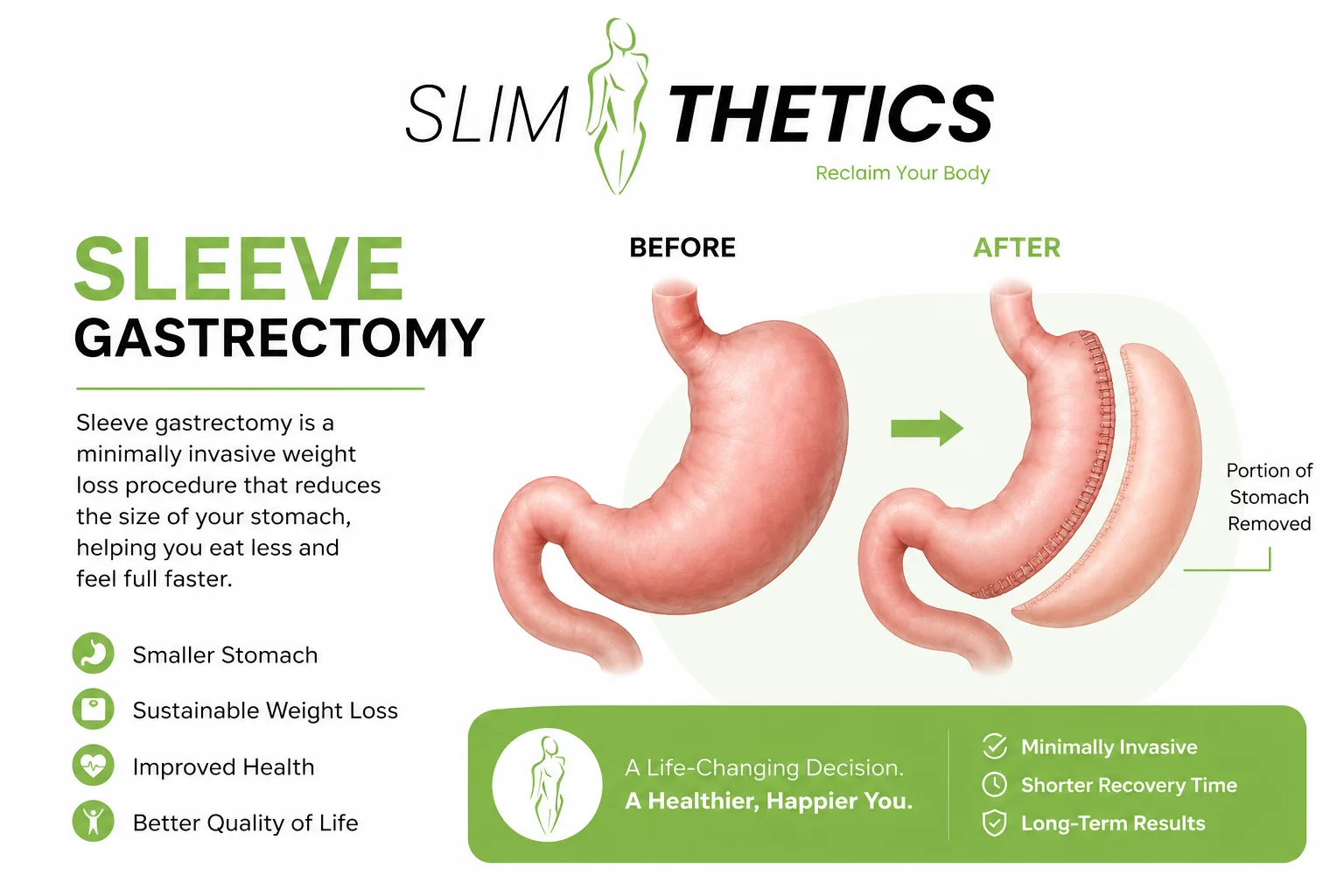
Sleeve Gastrectomy in Islamabad, also known as gastric sleeve surgery, is a bariatric procedure that reduces the size of the stomach by approximately 75–80%. The remaining stomach takes the shape of a narrow sleeve, allowing patients to feel full after eating much smaller portions.
How Does Sleeve Gastrectomy Work?
- Removes a large portion of the stomach.
- Reduces the production of the hunger hormone (ghrelin).
- Helps patients eat smaller meals comfortably.
- Encourages steady and sustainable weight loss.
- Improves obesity-related medical conditions.
Unlike gastric bypass surgery, sleeve gastrectomy does not reroute the intestines, making it a comparatively simpler procedure with effective long-term outcomes.
Who Is a Good Candidate for Sleeve Gastrectomy?
Not everyone struggling with weight requires bariatric surgery. Surgeons evaluate multiple medical and lifestyle factors before recommending sleeve gastrectomy.
Body Mass Index (BMI)
Generally, suitable candidates include individuals who have:
- BMI of 40 or above.
- BMI of 35 or above with obesity-related medical conditions.
- Difficulty losing weight despite supervised diet and exercise.
- Long-term obesity affecting daily life.
BMI serves as an initial screening tool, but doctors also evaluate overall health before making a recommendation.
Individuals With Obesity-Related Health Conditions
Many patients qualify because obesity has already started affecting their health.
Common conditions include:
- Type 2 diabetes
- High blood pressure
- Sleep apnea
- High cholesterol
- Joint pain
- Fatty liver disease
- Heart disease risk
- Mobility limitations
Weight loss following surgery often leads to significant improvement or remission of many of these conditions.
Patients Who Have Tried Other Weight Loss Methods
Before recommending surgery, bariatric specialists usually expect patients to have attempted conventional weight-loss approaches.
Examples include:
- Structured diet plans
- Exercise programs
- Medical weight-loss supervision
- Lifestyle modifications
- Weight-loss medications
If these methods have failed to provide lasting results, surgery may become the most effective solution.
Adults Committed to Lifestyle Changes
Sleeve gastrectomy is not a shortcut for weight loss. Long-term success depends heavily on patient commitment.
Ideal candidates should be willing to:
- Follow nutritional guidelines.
- Eat healthy meals.
- Exercise regularly.
- Attend follow-up appointments.
- Take recommended vitamin supplements.
- Maintain realistic expectations.
Lifestyle commitment is one of the strongest predictors of successful long-term outcomes.
Who May Not Be a Suitable Candidate?
Some individuals may require additional evaluation before surgery.
Examples include:
- Untreated eating disorders.
- Severe uncontrolled psychiatric illness.
- Active substance abuse.
- Certain gastrointestinal disorders.
- Medical conditions that increase surgical risk.
Your bariatric surgeon will perform a comprehensive assessment to determine safety and suitability.
Benefits of Sleeve Gastrectomy
Sleeve gastrectomy offers much more than weight reduction.
Significant Weight Loss
Patients typically lose a substantial percentage of their excess body weight during the first 12–18 months after surgery when following medical advice.
Benefits include:
- Better body mobility.
- Easier physical activity.
- Improved self-confidence.
- Better clothing fit.
- Enhanced quality of life.
Better Control of Chronic Diseases
Weight loss frequently improves many obesity-related illnesses.
Possible improvements include:
- Better blood sugar control.
- Reduced blood pressure.
- Lower cholesterol.
- Improved breathing during sleep.
- Reduced joint stress.
- Increased physical endurance.
Many patients also reduce their dependence on long-term medications under medical supervision.
Reduced Hunger
One of the unique advantages of sleeve gastrectomy is the reduction in ghrelin production.
Patients often experience:
- Less frequent hunger.
- Reduced food cravings.
- Better portion control.
- Easier adherence to healthy eating habits.
Improved Mental Well-Being
Although surgery is not a treatment for mental health conditions, successful weight loss often contributes to:
- Increased confidence.
- Better social participation.
- Greater motivation.
- Improved overall quality of life.
Preparing for Sleeve Gastrectomy
Preparation helps improve surgical safety and recovery.
Medical Evaluation
Patients usually undergo:
- Physical examination.
- Blood investigations.
- Imaging tests if required.
- Nutritional assessment.
- Psychological evaluation.
- Medical history review.
These assessments ensure the procedure is appropriate and safe.
Dietary Preparation
Surgeons often recommend a special diet before surgery.
Goals include:
- Reducing liver size.
- Improving surgical access.
- Lowering complication risks.
- Preparing the digestive system.
Patients should closely follow all dietary instructions provided by their healthcare team.
Lifestyle Changes Before Surgery
Healthy habits before surgery often lead to better outcomes.
Recommended changes include:
- Stop smoking.
- Limit sugary foods.
- Increase water intake.
- Begin light physical activity.
- Practice mindful eating.
- Improve sleep habits.
What Happens During Surgery?
Sleeve gastrectomy is generally performed laparoscopically using small incisions.
The procedure typically involves:
- Administration of general anesthesia.
- Removal of approximately 75–80% of the stomach.
- Formation of a narrow stomach sleeve.
- Leak testing.
- Closure of small incisions.
The surgery usually takes one to two hours, depending on individual circumstances.
Recovery After Sleeve Gastrectomy
Recovery varies from patient to patient.
Hospital Stay
Most patients remain in the hospital for:
- One to three days.
- Pain management.
- Early walking.
- Monitoring for complications.
Returning to Daily Activities
Many patients gradually resume:
- Office work within two to four weeks.
- Walking within days.
- Light exercise after medical clearance.
- Normal routines over several weeks.
Heavy lifting should be avoided until approved by the surgeon.
Diet After Sleeve Gastrectomy
Nutrition plays a vital role in long-term success.
Stage 1: Clear Liquids
Examples include:
- Water
- Clear broth
- Sugar-free beverages
Stage 2: Full Liquids
Examples include:
- Protein shakes
- Low-fat yogurt
- Blended soups
Stage 3: Soft Foods
Examples include:
- Scrambled eggs
- Mashed vegetables
- Soft fish
- Cottage cheese
Stage 4: Healthy Solid Foods
Patients gradually transition to:
- Lean proteins
- Fresh vegetables
- Fruits
- Whole grains
- Healthy fats
Long-term success depends on portion control and balanced nutrition.
Possible Risks
Like every surgical procedure, sleeve gastrectomy carries potential risks.
Possible complications include:
- Bleeding
- Infection
- Blood clots
- Leakage from the staple line
- Acid reflux
- Vitamin deficiencies
Choosing an experienced bariatric surgeon and following postoperative instructions significantly reduces these risks.
Long-Term Success Tips
Successful weight loss requires lifelong commitment.
Helpful habits include:
- Eat protein-rich meals.
- Stay hydrated.
- Exercise consistently.
- Avoid sugary beverages.
- Attend follow-up appointments.
- Take prescribed supplements.
- Get adequate sleep.
- Monitor weight regularly.
Consistency is far more important than perfection.
Frequently Asked Questions
Is Sleeve Gastrectomy Permanent?
Yes. The removed portion of the stomach cannot be restored.
How Much Weight Can Patients Lose?
Weight loss varies depending on individual commitment, diet, physical activity, and overall health.
Will I Feel Hungry After Surgery?
Most patients experience reduced hunger due to lower ghrelin hormone production.
Can Diabetes Improve After Surgery?
Many patients experience significant improvement in blood sugar control, although results vary individually.
Is Exercise Necessary?
Yes. Regular physical activity supports weight loss, muscle preservation, and long-term health.
Final Thoughts
Choosing bariatric surgery is an important personal and medical decision that should be based on careful evaluation rather than trends or quick solutions. Understanding who qualifies for the procedure, its benefits, preparation, recovery process, and long-term lifestyle requirements helps patients make informed choices. While sleeve gastrectomy has helped many individuals achieve lasting weight loss and improve obesity-related health conditions, success depends on ongoing commitment to healthy habits and regular medical follow-up.
If you're considering bariatric surgery and want personalized guidance from experienced professionals, Slimthetics Clinic offers comprehensive consultations, advanced surgical care, individualized treatment plans, and dedicated long-term support to help you confidently begin your weight-loss journey and achieve healthier, sustainable results.
0 comments
Log in to leave a comment.
Be the first to comment.