
Which Chemical Peel Is Right for Acne, Pigmentation or Dull Skin?
Explore chemical peels for acne, pigmentation and dull skin. Understand different peel types, their benefits, suitability and why dermatologist guidance matters.

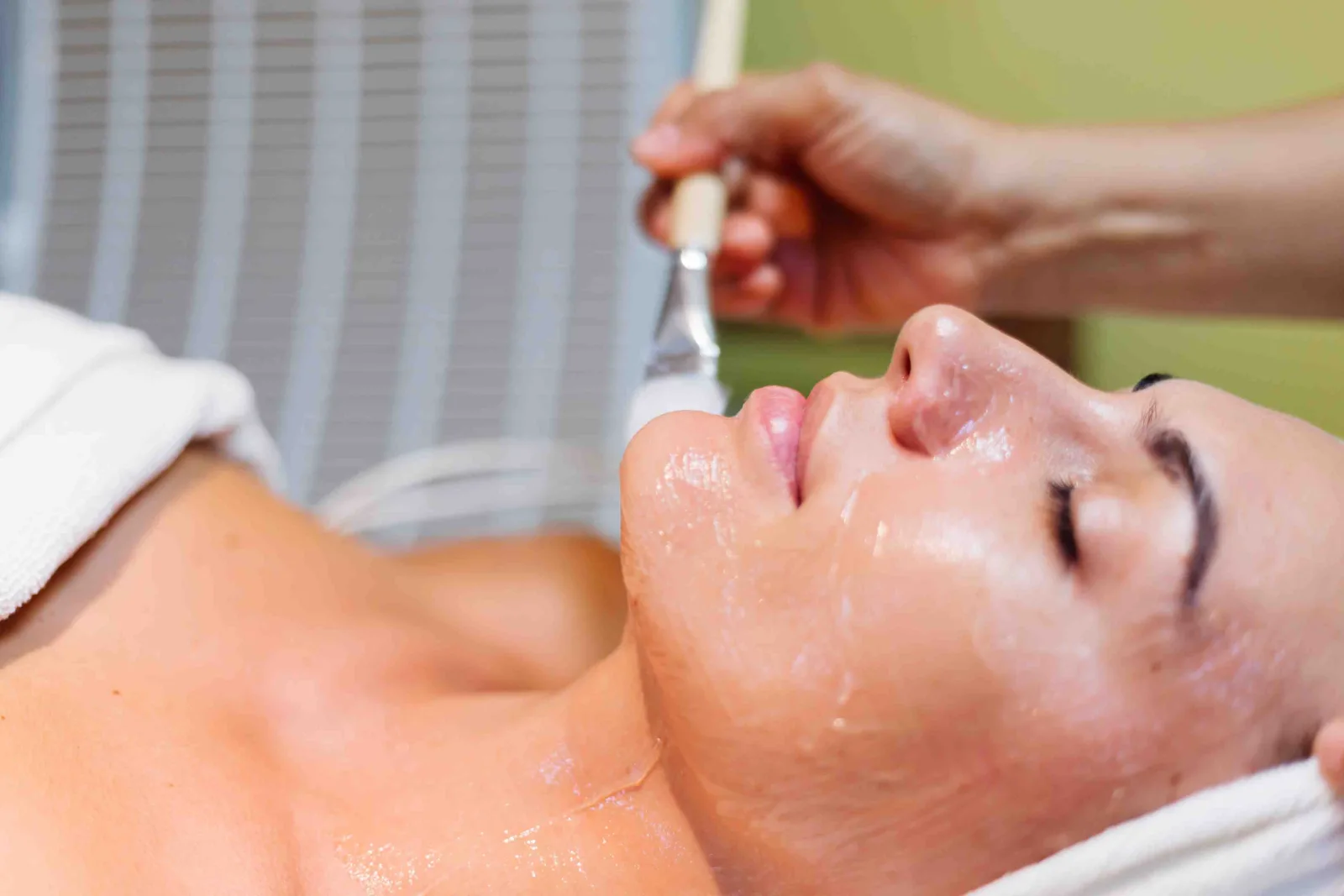
If you are considering chemical peel treatment in Noida, you may be wondering which type of peel is suitable for your skin concern. Chemical peels can help improve acne, uneven pigmentation, rough texture, and dull-looking skin, but different concerns require different formulations and strengths. Choosing a peel without understanding your skin condition may lead to irritation or unwanted pigmentation. A dermatologist can help determine which option is right for you.
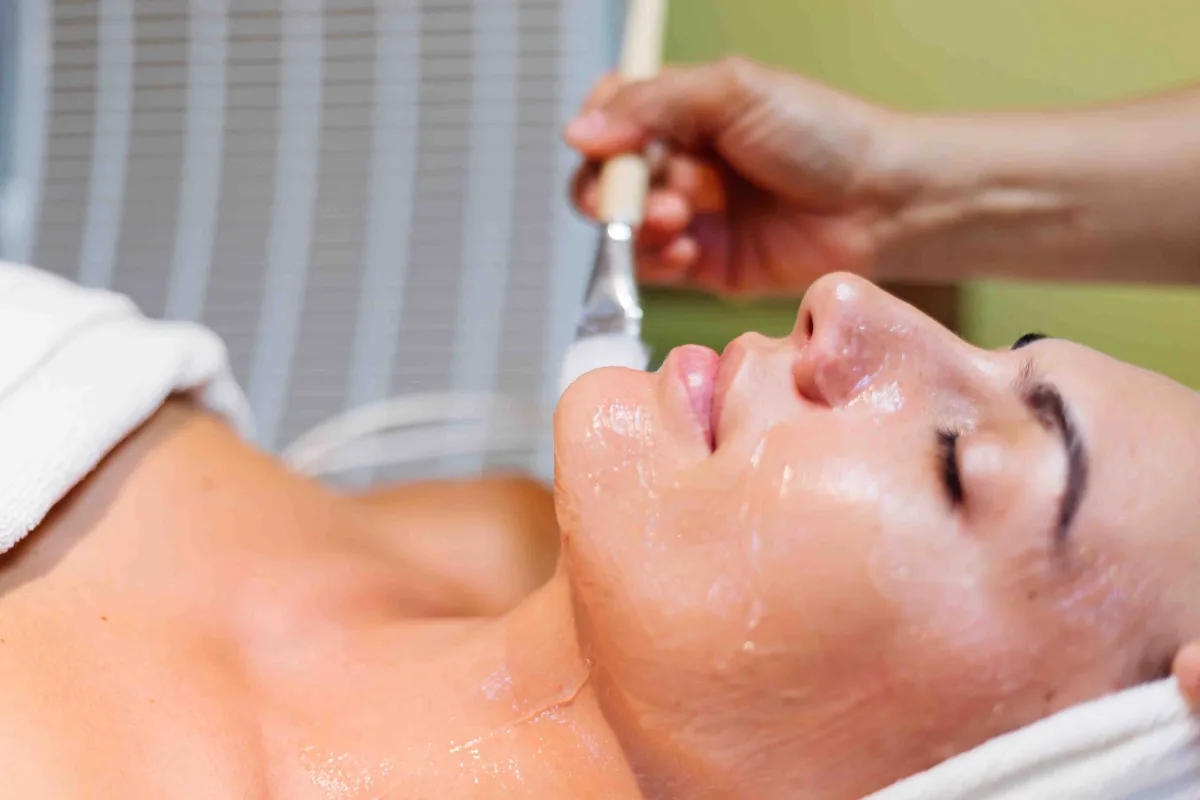
A chemical peel involves applying a carefully selected chemical solution to the skin to exfoliate its outer layers. This encourages the removal of dead skin cells and supports skin renewal.
Depending on the formulation and strength, chemical peels are generally classified as:
Superficial peels: Work mainly on the outermost skin layers and may help with mild acne, dullness, and uneven skin tone.
Medium-depth peels: Reach deeper layers of the skin and may be considered for selected pigmentation concerns, sun damage, and certain textural changes.
Deep peels: Penetrate further into the skin and are used for specific concerns under careful medical supervision. They involve greater recovery time and potential risks.
The appropriate peel depends on your skin concern, skin type, treatment history, and the results you hope to achieve.
Which Chemical Peel Is Suitable for Your Skin Concern?
Different peeling agents have different properties. Your dermatologist selects the formulation based on the condition being treated rather than recommending the same peel for everyone.
1. For Acne-Prone and Oily Skin: Salicylic Acid Peel
If you frequently experience clogged pores, blackheads, whiteheads, or acne breakouts, a salicylic acid peel may be considered.
Salicylic acid is oil-soluble, which allows it to work within oil-prone pores. It helps exfoliate dead skin cells and may reduce pore congestion and inflammation.
Depending on your acne severity and skin sensitivity, your dermatologist may recommend a salicylic acid peel as part of a broader acne management plan.
2. For Pigmentation and Dark Spots: Glycolic or Other Suitable Peels
If you have uneven skin tone, post-acne marks, or superficial pigmentation, certain chemical peels may help improve the appearance of discolouration.
Options may include:
Glycolic acid peels: Help exfoliate the skin surface and may improve uneven texture and superficial pigmentation.
Lactic acid peels: Offer surface exfoliation and may be considered for selected pigmentation and dullness concerns.
Other pigment-focused formulations: May be recommended depending on the type and depth of pigmentation.
The choice is particularly important if you have a darker skin tone or a history of pigmentation after irritation. An unsuitable peel or excessive strength may increase the risk of post-inflammatory hyperpigmentation.
3. For Dull and Uneven Skin: Mandelic or Lactic Acid Peel
If your skin looks tired, feels rough, or lacks radiance, a superficial peel may help improve its appearance.
Mandelic acid and lactic acid are among the options a dermatologist may consider. They help exfoliate dead skin cells and improve surface texture.
The strength and frequency of treatment should be adjusted according to your skin's tolerance. Even relatively mild peels can cause irritation if used too frequently or incorrectly.
4. For Rough Texture and Certain Acne Marks
If you have uneven skin texture or marks left after acne, your dermatologist may assess whether a chemical peel can help.
Superficial peels may improve mild surface irregularities and pigmentation, but deeper, indented acne scars usually require other procedures or a combination of treatments. A chemical peel alone may not provide significant improvement for deep scarring.
Why Is a Skin Assessment Important Before a Chemical Peel?
The same chemical peel can produce different responses in different people. Before recommending a treatment, your dermatologist may evaluate:
Your primary skin concern: Whether you have active acne, pigmentation, dullness, or textural changes.
Skin type and tone: These influence the selection of peel formulation and strength.
Skin sensitivity: Irritated or sensitive skin may need a more cautious approach.
Current skincare routine: Retinoids, exfoliating acids, and other active ingredients may affect treatment preparation.
Previous treatments: Your response to earlier peels or procedures helps guide future recommendations.
Medical history: Certain skin conditions and medications may affect whether a peel is suitable.
This assessment helps reduce avoidable risks and supports a treatment plan based on your individual skin needs.

Consulting an experienced Dermatologist in Noida is important before choosing a chemical peel. A dermatologist can assess your skin type, identify the underlying concern, and recommend an appropriate peel formulation and strength. At Skinlogics Clinic, Dr. Vandana Malik evaluates individual skin concerns before suggesting a suitable treatment approach.
What Should You Do Before and After a Chemical Peel?
Following your dermatologist's instructions can help prepare your skin and support recovery.
Before treatment:
Inform your dermatologist about your skincare products and medications.
Avoid adding strong exfoliating products without medical advice.
Follow any prescribed pre-treatment skincare routine.
Discuss any history of cold sores, skin irritation, or previous reactions.
After treatment:
Use a gentle cleanser and recommended moisturiser.
Apply broad-spectrum sunscreen as advised.
Avoid picking or peeling flaking skin.
Pause exfoliating products and other active ingredients until your dermatologist advises you to restart them.
Follow the recommended aftercare schedule.
Temporary redness, dryness, sensitivity, or peeling may occur. The extent depends on the type and strength of the peel.
How Many Chemical Peel Sessions Will You Need?
The number of sessions depends on your skin concern, the peel selected, its strength, and how your skin responds.
Some superficial concerns may improve after a session, while acne or pigmentation management may require multiple treatments over time. Your dermatologist should review your progress and adjust the treatment schedule rather than following a fixed package for every patient.
Why Choose Skinlogics Clinic for Chemical Peel Treatment in Noida?
At Skinlogics Clinic, Dr. Vandana Malik evaluates each patient's skin condition, concerns, and treatment history before recommending a suitable chemical peel. The focus is on selecting an appropriate formulation and strength while considering skin sensitivity, pigmentation risk, and individual treatment goals.
If you are considering chemical peel treatment in Noida, a consultation can help you understand which peel may suit your skin and what results you can realistically expect.
Conclusion
The right chemical peel depends on what you want to address. Salicylic acid may be considered for acne-prone skin, while glycolic, lactic, or mandelic acid peels may be suitable for selected pigmentation, texture, and dullness concerns. However, no single peel works for every skin type or condition.

At Skinlogics Clinic, Dr. Vandana Malik provides individualised skin assessments before recommending a peel or other treatment options. If you are looking for an experienced dermatologist in Noida, a consultation can help you choose an approach based on your actual skin concerns rather than following a treatment that worked for someone else.
For chemical peel treatment in Noida, visit Skinlogics Clinic's website and book a consultation with Dr. Vandana Malik to discuss your skin concerns and suitable treatment options.
FAQs on Chemical Peel Benefits
Which Chemical Peel Is Suitable for Acne-Prone Skin?
Salicylic acid peels may be suitable for selected acne-prone skin because they help exfoliate inside oil-prone pores and reduce congestion. The choice depends on acne severity and skin sensitivity.
Which Chemical Peel Is Used for Pigmentation?
Glycolic acid, lactic acid, and other pigment-focused formulations may be considered depending on the type and depth of pigmentation. A dermatologist should assess your skin before selecting a peel.
Can a Chemical Peel Improve Dull Skin?
A suitable superficial chemical peel may help remove dead skin cells and improve surface texture, making the skin appear smoother and more radiant.
Are Chemical Peels Suitable for All Skin Types?
Not every peel is suitable for every skin type. Skin tone, sensitivity, existing conditions, and pigmentation history should be considered before treatment.
How Long Does It Take to See Results After a Chemical Peel?
This varies with the peel's strength, the concern being treated, and individual skin response. Some changes may become noticeable after one session, while other concerns require a course of treatment.
0 comments
Log in to leave a comment.
Be the first to comment.