
What You Need to Know About the Best Craft Books for Writers

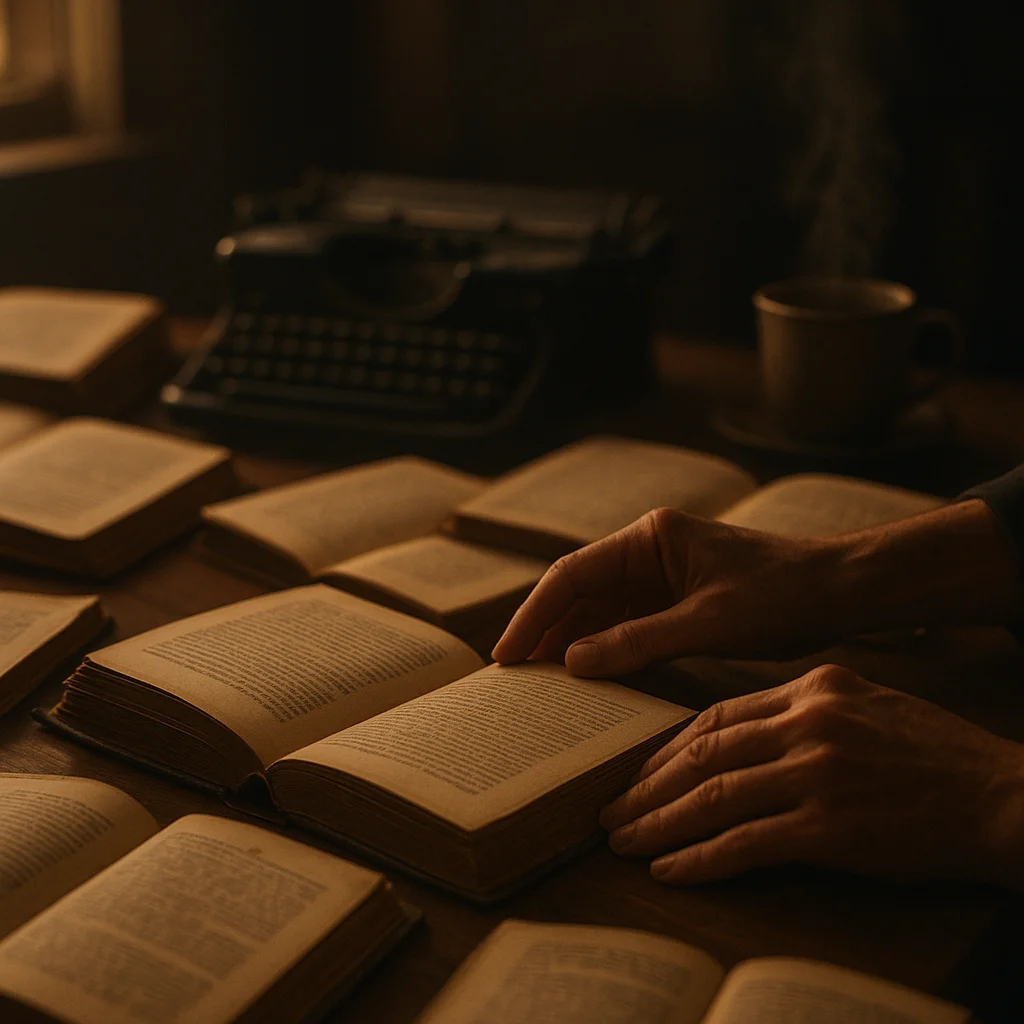
Unlocking the Writer’s Toolbox: A Quiet Morning With Craft Books
Picture a gentle Sunday morning. The sun filters softly through the window, and a writer, notebook in hand, settles quietly with a well-worn craft book. This scene may seem simple, yet it holds a profound truth: craft books have long been a sanctuary for writers seeking guidance, inspiration, and mastery over their art. Their pages are filled with distilled wisdom, exercises, and the echoes of authors who have walked the path before.
Despite the rise of digital resources and online workshops, the enduring appeal of craft books remains strong. According to industry data from publishing reports, craft book sales have steadily increased over the past five years, reflecting writers’ continued trust in these tangible companions. Yet, the market is vast and often overwhelming, making it challenging to discern which volumes truly offer transformative insights.
As we explore the best craft books for writers, it becomes clear that these works are more than manuals; they are invitations into the nuanced world of storytelling, character development, and narrative structure. Whether you are an emerging novelist, a seasoned poet, or a screenwriter refining your dialogue, knowing which craft books to turn to can shape your writing journey profoundly.
Before diving into recommendations, it’s essential to understand how the genre of craft books evolved and why it matters so deeply in 2026, a year marked by both innovation and reflection in the literary world.
From Scribbled Notes to Published Guides: The Evolution of Craft Books
The tradition of craft books for writers dates back centuries, but the modern form took shape in the 20th century, coinciding with the rise of creative writing programs and a growing literary culture that emphasized craft as a teachable skill. Early classics like Elements of Style by Strunk and White set the foundation for clear, concise prose, while later works such as On Writing by Stephen King blended memoir with practical advice, making craft accessible and personal.
Over time, craft books began to diversify, reflecting the expanding horizons of writing itself. In the 1980s and 1990s, narrative theory and structuralist approaches influenced guides that moved beyond grammar and style to explore plot architecture, point of view, and voice. The digital age brought new dimensions, with books addressing blogging, social media storytelling, and hybrid genres.
In 2026, the craft book landscape is a mosaic of tradition and innovation. Writers now encounter titles that address not only the mechanics of writing but also inclusivity, mental health, and the impact of AI in the creative process. This reflects a broader cultural shift toward recognizing writing as both a craft and a deeply human experience.
"Craft books have transformed from rigid rulebooks into empathetic companions, guiding writers through both technique and the emotional landscape of creation." — Literary historian, Dr. Elaine Mori
Understanding this evolution helps writers select craft books that resonate with their own process and aspirations, rather than following trends or popular endorsements alone. It also reveals why certain books have become staples in writers’ libraries worldwide.
Core Analysis: What Makes a Craft Book Truly Effective?
Not all craft books are created equal. What separates a transformative guide from a forgettable manual? Analysis of reader reviews, sales data, and expert critiques reveals several key factors.
- Clarity and Accessibility: The best craft books explain complex concepts in straightforward language, avoiding jargon that can alienate newcomers.
- Depth and Practicality: They balance theoretical insights with actionable exercises, helping writers apply lessons immediately.
- Authorial Voice and Authenticity: Books that share personal stories alongside instruction tend to engage readers more deeply, fostering connection.
- Diversity of Perspectives: Titles that include voices from varied backgrounds, genres, and cultural contexts enrich the learning experience.
- Adaptability to Different Writing Forms: Guides that address fiction, non-fiction, poetry, and screenwriting offer broader utility.
According to recent surveys by the Writers’ Guild of America, writers overwhelmingly value craft books that combine these elements. For example, Bird by Bird by Anne Lamott remains beloved for its humor and honesty, while Story Engineering by Larry Brooks is praised for its structural clarity.
Among contemporary additions, books like Write in Color by Latoya Jackson bring fresh perspectives on writing with cultural nuance, highlighting the importance of representation in storytelling. Similarly, Dialogue: The Art of Verbal Action by Robert McKee, updated for 2025, continues to be a definitive resource for scriptwriters and novelists alike.
"Effective craft books do not just teach writing; they invite writers into a community of practice where growth is continuous." — Editor and writing coach, Maya Chen
For those interested in comprehensive approaches, combining multiple craft books often yields the best results. For instance, pairing a book focused on narrative structure with one on character development can illuminate different facets of storytelling.
Current Developments in 2026: The Impact of AI and Hybrid Formats
The year 2026 stands out as a pivotal moment for craft books, influenced by technological advances and shifting reader habits. One significant development has been the integration of AI-assisted writing tools, which has changed how writers approach revision and ideation. Craft books have responded by including chapters or companion digital content addressing AI’s role in creativity, ethical considerations, and how to maintain an authentic voice.
Publishers are also experimenting with hybrid formats that combine print with interactive e-books, online workshops, and community forums. These formats allow writers to engage more dynamically with the material and with peers, fostering a more immersive learning environment.
Moreover, the rise of diverse voices in publishing has led to a surge in craft books written by authors from historically marginalized communities. These works often explore identity, culture, and narrative form in ways that challenge traditional norms and expand the boundaries of craft.
- Examples of 2026 releases gaining acclaim:
- Writing the Unseen: Crafting Stories of the Marginalized by Amina Patel
- Tech and Text: Navigating AI in Modern Writing by Samuel R. Lee
- The Hybrid Writer’s Handbook by Clara Nguyen, which blends print and digital interactive exercises
These developments reflect a literary world that values adaptability and inclusivity. Writers today must not only master traditional techniques but also remain agile in a rapidly changing creative ecosystem.
For more on how writing tools and new formats shape the craft, Froodl’s article Why the Best Craft Books Are Essential for Writers’ Growth offers insightful perspectives and resources.
Expert Perspectives: Voices From the Writing Community
To understand the impact of craft books beyond sales and trends, I reached out to several experts—editors, writing instructors, and successful authors. Their reflections illuminate why craft books remain indispensable.
Sarah Thompson, an editor at a major literary press, emphasizes the role of craft books in demystifying the writing process. She notes, "Many writers feel isolated, struggling to find reliable guidance. Craft books provide a roadmap and a sense of companionship. They remind writers that craft is a lifelong journey, not a destination."
Meanwhile, novelist and writing teacher Diego Morales highlights the importance of selecting craft books that resonate personally. "There is no one-size-fits-all. Some writers thrive with structural guides, others with lyricism and voice-focused books. Exploring different books helps writers discover what fuels their creativity."
Writing coach and therapist Leah Kim adds another layer, noting how craft books now often address the emotional and psychological aspects of writing. "Books that integrate mindfulness, resilience, and mental health help writers sustain their practice amid challenges."
"Craft books are mirrors and windows—reflecting our unique struggles and opening us to new possibilities." — Leah Kim, writing coach
These expert views underscore the multifaceted value of craft books: technical instruction, emotional support, and community connection. As the industry continues to evolve, these roles will likely deepen.
Looking Ahead: Choosing and Using Craft Books for Your Writing Journey
With so many craft books available, how should writers approach their selection and use? Here are some actionable takeaways based on research and expert advice.
- Identify Your Needs: Are you seeking to improve dialogue, plot structure, or poetic form? Clarify your goals to narrow choices.
- Sample Before Committing: Many publishers and authors offer excerpts or online previews. Reading samples helps assess style and relevance.
- Mix Tradition and Innovation: Combine classic craft books with contemporary titles that address current trends and challenges.
- Engage Actively: Treat craft books as interactive tools. Complete exercises, make notes, and revisit chapters regularly.
- Join Communities: Participate in workshops or forums related to your craft book to deepen understanding and connect with peers.
For writers in India and beyond, reliable sources for purchasing these books have expanded. Notably, Froodl’s own feature Why Radian Books Is the Best Site to Buy Books in India details trusted platforms that support writers' needs with diverse selections and prompt delivery.
Ultimately, the best craft book is one that speaks to you personally and accompanies you through the evolving journey of writing. Their pages hold not just advice, but the quiet encouragement to keep creating.
Thank you for joining me on this exploration. May your next craft book open doors to new stories and fresh inspiration.
0 comments
Log in to leave a comment.
Be the first to comment.