
WHAT PRECAUTIONS MATTER MOST WHEN CLEANING BLACK MOLD BEFORE PROFESSIONALS CLEAN BLACK MOLD?

Summary
Black mold can spread quickly and pose serious health risks if handled incorrectly. Taking the right precautions before professionals arrive helps limit contamination and keeps your household safer. This guide explains what to do, what to avoid, and how to reduce exposure while waiting for expert cleanup.
Introduction
It often starts as a small dark patch in a damp corner, but it can quickly become something far more concerning. Black mold thrives in hidden, moist spaces and releases tiny spores into the air that can travel throughout your home. Acting too quickly without preparation can make the situation worse rather than better. When dealing with cleaning black mold, preparation matters more than effort. Knowing what steps to take before professionals step in can help control the spread and reduce health risks without making the contamination worse.
Understanding the Risks Before Taking Action
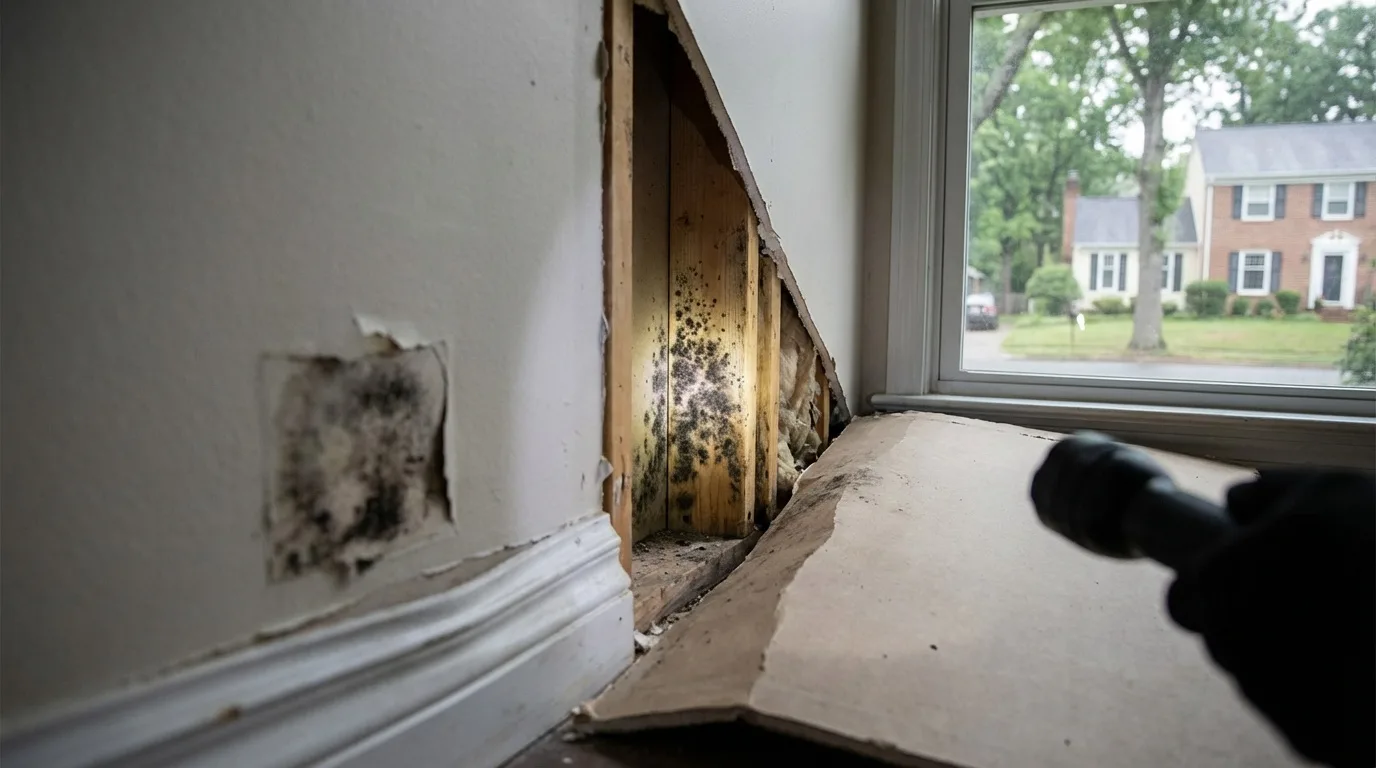
Black mold is not just a surface issue. It penetrates porous materials like drywall, wood, and fabric, making it difficult to remove without proper tools. Disturbing it without protection can release spores into the air, increasing exposure.
People with allergies, asthma, or weakened immune systems are especially vulnerable. Even short-term exposure can trigger respiratory irritation, headaches, and skin reactions. That is why even minor handling should be approached carefully and with awareness of potential consequences.
Another overlooked risk is cross-contamination. Walking through affected areas or using common household items can unknowingly spread spores to clean spaces, making the problem larger and harder to control.
Limit Exposure and Protect Yourself
Wear Proper Protective Gear
Before entering a contaminated area, basic protection is essential. A high-quality mask, such as an N95 or better, helps filter airborne particles. Disposable gloves and long sleeves prevent direct skin contact.
Eye protection is also important, especially if you are working near visible growth. Mold spores can irritate the eyes and cause discomfort quickly.
Avoid Direct Contact With Mold
Touching or scrubbing mold without proper containment can release more spores. Even light disturbance can push particles into the air, increasing the risk of inhalation.
It is best to avoid aggressive cleaning methods before professionals arrive. Focus instead on containment and safety rather than removal.
Control Moisture and Airflow
Stop the Source of Moisture
Mold cannot grow without moisture. Identify and stop leaks, condensation, or humidity issues if possible. This step slows further growth and prevents the problem from expanding.
Simple actions like turning off a leaking pipe or using a dehumidifier can make a significant difference in limiting spread.
Avoid Using Fans or HVAC Systems
Air circulation might seem helpful, but it can spread spores throughout the home. Turning on fans or central air systems can carry mold particles into unaffected rooms.
If possible, seal off vents and avoid airflow that connects the contaminated area to other parts of the house.
Isolate the Contaminated Area
Seal Off the Space
Closing doors is not always enough. Use plastic sheeting or temporary barriers to isolate the affected area. This helps contain spores and reduces the risk of spreading contamination.
Even simple measures like sealing gaps under doors with towels can help limit movement of airborne particles.
Limit Foot Traffic
The more people enter the area, the greater the chance of spreading mold. Keep access restricted and avoid walking in and out unnecessarily.
Shoes, clothing, and personal items can carry spores to other areas, so minimizing movement is key.
Handle Contaminated Materials Carefully
Do Not Attempt Deep Cleaning
Trying to scrub or remove mold from porous materials often makes things worse. It can push spores deeper into surfaces and release more into the air.
Leave extensive removal to professionals who have specialized equipment and containment systems.
Dispose of Small Items Safely
If items like paper, cardboard, or heavily affected fabrics are clearly contaminated, consider sealing them in plastic bags before disposal. This prevents spores from escaping during handling.
Avoid shaking or moving these items unnecessarily, as that can release particles into the air.
Prepare for Professional Cleanup
Before experts arrive, small preparations can help the process go more smoothly. Clear access to the affected area so professionals can begin work immediately.
Make note of when the mold was first noticed and any water issues that may have caused it. This information helps identify the root problem and prevent recurrence.
Keep pets and family members away from the area to maintain a controlled environment for inspection and cleanup.
Conclusion
Taking early precautions can make a significant difference in controlling mold before experts take over. Simple steps like limiting airflow, isolating the area, and protecting yourself reduce the risk of spreading contamination. While it may be tempting to clean black mold immediately, focusing on safety and containment is the smarter approach. Professional remediation ensures thorough removal and long-term prevention, which is difficult to achieve with basic household methods.
FAQs
Q: Is it safe to stay in a home with black mold temporarily?
A: It can be safe for short periods if exposure is limited, but sensitive individuals should avoid the area as much as possible.
Q: Can I use bleach to remove black mold before professionals arrive?
A: It is not recommended. Bleach does not fully remove mold from porous materials and can make the issue harder to manage.
Q: How quickly should I call professionals after finding mold?
A: As soon as possible. Early intervention helps prevent the mold from spreading and reduces potential health risks.
0 comments
Log in to leave a comment.
Be the first to comment.