
Web3 Social Platforms Explained: The Rise of Decentralized Communities

Where It All Started: The Social Web’s Slow Drift
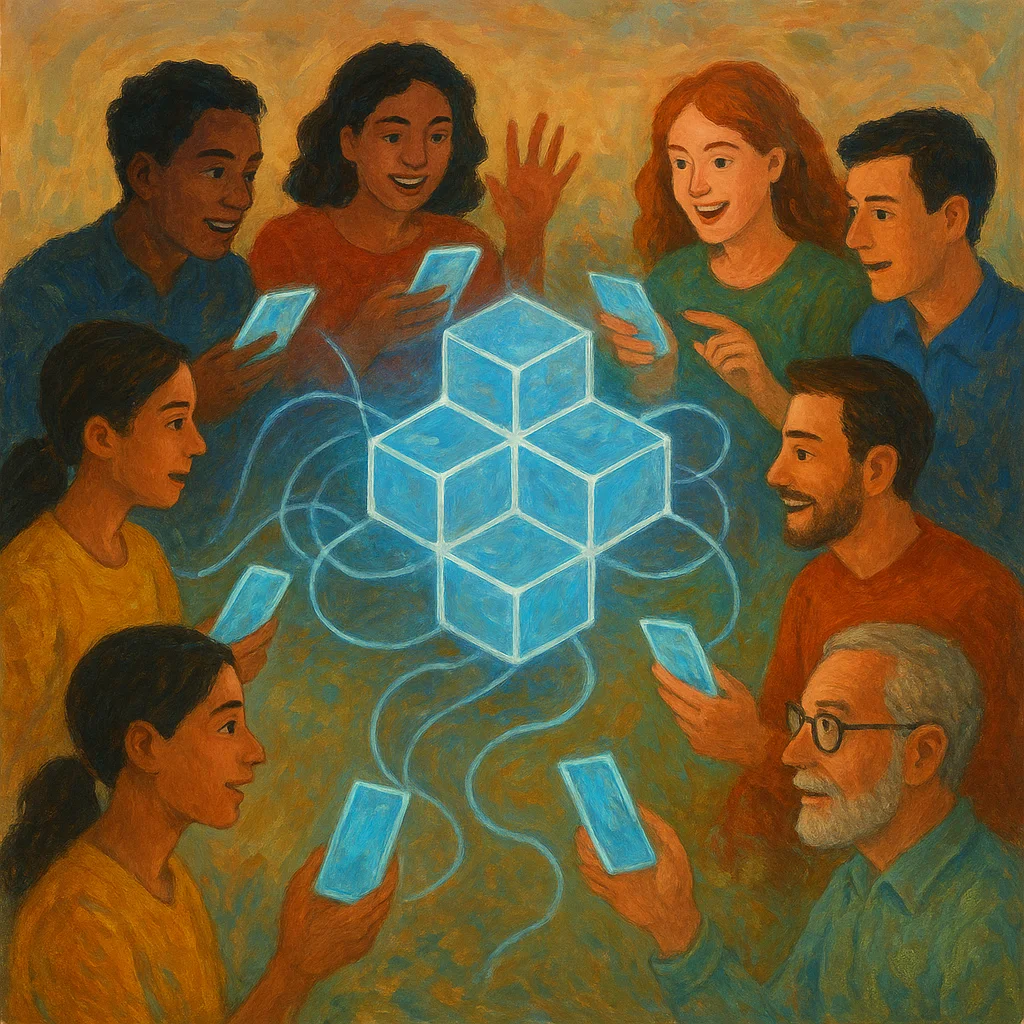
imagine scrolling through your favorite social app—except the company behind it owns every piece of your data, controls the algorithms deciding what you see, and can ban you without explanation. that’s the default we’ve lived with for over a decade, courtesy of centralized social media giants. but beneath the surface, a quiet revolution has been brewing: web3 social platforms. they promise to flip this script by handing control back to users through decentralization, blockchain, and crypto incentives.
the idea of decentralizing social networks gained steam around 2017-2018, when ethereum’s smart contracts started enabling programmable, trustless interactions. projects like mastodon and diaspora tried to push federated social models, but they lacked seamless user experience and clear incentives. fast forward to 2026, and web3 social platforms are no longer just experimental side projects—they’re fast becoming a viable alternative with millions of users and billions in venture capital backing.
this shift is not just tech hype; it’s a response to growing user distrust in centralized platforms’ opaque content moderation, data exploitation, and monopolistic tendencies. recent data from the Pew Research Center shows that 64% of users express concern over online data privacy, fueling interest in decentralized options.
“web3 social platforms represent a fundamental rethinking of ownership and governance in digital communities,” says an industry analyst at blockchain research firm messari. “instead of being mere consumers, users become stakeholders with real influence and rewards.”
this article unpacks what web3 social platforms really are, how they work, their current state in 2026, and what’s next for this intriguing hybrid of social media and blockchain technology.
Why Decentralization Matters: The Core Tech and Philosophy
at the heart of web3 social platforms lies decentralization—a principle that data, governance, and economic power should not be concentrated in a single entity. in practice, this means distributing servers, user data, and decision-making across a network of nodes often maintained by users themselves or independent operators.
blockchain technology underpins this decentralization. unlike traditional databases, blockchains create immutable records verified by consensus mechanisms. this enables trustless interactions, where users don’t have to rely on a central authority to verify authenticity or enforce rules.
several key technologies and concepts power web3 social platforms:
- blockchain networks: ethereum remains dominant, but layer-2 solutions like polygon and zk-rollups have significantly lowered transaction costs and improved speed, essential for social interactions.
- decentralized identity (dids): these allow users to own their digital identities independent of any platform, enabling seamless login across services while retaining privacy.
- smart contracts: self-executing agreements automate reward distributions, content moderation, and community governance.
- token economies: users earn native tokens for contributions like posting, curating, or moderating—these tokens often grant governance rights or access to exclusive features.
- interoperability protocols: standards like the decentralized social networking protocol (dawn) and standards from the decentralized identity foundation facilitate cross-platform communication and asset portability.
these technologies combine to create social platforms where users control their data, can monetize content directly without intermediaries, and participate in decision-making processes. this contrasts starkly with Web 2.0 platforms, where algorithms and policies are tightly controlled by corporate entities.
“web3 social platforms are less about recreating facebook but more about enabling communities to self-organize, self-moderate, and self-compensate,” explains a web3 developer involved in the success of the lens protocol.
understanding these building blocks is essential to appreciate why web3 social platforms are disruptive and what challenges they face, which we’ll explore next.
2026 Snapshot: The State of Web3 Social Platforms Today
the web3 social space has matured significantly by 2026, with notable platforms achieving millions of active users and raising impressive funding rounds. key players have emerged, each experimenting with unique models but sharing common philosophies of decentralization and user ownership.
here’s a brief overview of some influential platforms:
- lens protocol: a composable, decentralized social graph that allows developers to build social apps with user-owned profiles, content, and social connections. lens boasts over 3 million monthly active users and supports over 50 apps.
- decentraland’s social hubs: integrating social networking into immersive metaverse spaces, where users interact via avatars, attend events, and exchange social tokens.
- farcaster: a decentralized social network focused on open protocols and identity, attracting a core community of crypto-native users and developers.
- bitclout/diamond: platforms enabling social tokens and creator coins, where users can invest in and monetize social capital directly.
- colony and other DAO-powered communities: leveraging decentralized autonomous organizations for governance, content curation, and reward distribution.
according to blockchain analytics firm dappradar, combined social dapp user counts have grown by 250% year-over-year since 2023, reflecting accelerating adoption. venture capital investments in web3 social startups topped $1.2 billion in 2025, signaling strong confidence.
these platforms also increasingly integrate with nft ecosystems, allowing users to display ownership of digital collectibles, badges, and memberships as social proof or status symbols.
but it’s not just numbers. the user experience is evolving too, addressing early criticisms about clunky interfaces and poor onboarding. many platforms now offer seamless wallet integrations, social recovery options, and hybrid on-chain/off-chain data storage to balance decentralization with speed.
“we’re finally seeing web3 social platforms that feel intuitive enough for mainstream users, not just crypto enthusiasts,” notes a product lead at a top web3 startup.
yet, challenges persist: scalability bottlenecks, content moderation without central authority, regulatory uncertainty, and the cultural shift in user behavior required to embrace decentralized ownership.
for a deeper dive into these platforms and their mechanics, Froodl’s article Web3 Social Platforms Explained: Unlocking the Future of Decentralized Digital Communities offers an excellent primer.
Real-World Impact and Expert Insights
the rise of web3 social platforms is already reshaping how communities, creators, and brands engage online. experts from blockchain research, marketing, and social theory weigh in on the implications.
first, creators benefit from direct monetization and ownership. platforms like bitclout pioneered social tokens, letting creators raise funds by selling tokens representing their social capital. this model exploded in 2024-2025, allowing niche influencers and artists to bypass traditional gatekeepers.
brands and marketers are also adapting strategies for this new decentralized social space. according to Froodl’s Web3 Marketing guide, successful campaigns leverage token incentives, community governance participation, and authentic engagement rather than top-down ads.
from a governance perspective, DAOs are pioneering new forms of community moderation—members vote on rules, disputes, and platform upgrades. this democratization can improve transparency but also raises questions about inclusivity and decision-making efficiency.
privacy and data control are perhaps the most significant societal impacts. decentralized identity protocols give users granular control over what data they share and with whom, a stark contrast to opaque data harvesting practices of centralized giants.
“web3 social platforms challenge the very notion of digital identity and ownership,” says a sociologist studying online communities. “they push us to rethink trust, reputation, and what it means to belong online.”
however, experts caution about hype versus reality. scalability constraints, regulatory scrutiny around crypto tokens, and community fragmentation remain hurdles. some argue that hybrid models combining centralized interfaces with decentralized backends might be the pragmatic path forward.
Looking Ahead: What’s Next for Web3 Social Platforms?
the future of web3 social platforms hinges on several critical factors that will shape adoption and impact over the next five years.
first, scalability improvements are imperative. emerging layer-2 solutions, zero-knowledge proofs, and cross-chain interoperability protocols will reduce costs and latency, making user experiences smoother and more affordable.
second, better onboarding and user education will be crucial. mainstream users still struggle with wallet management, private keys, and understanding tokenomics. projects focusing on seamless onboarding and abstracting blockchain complexity will lead the way.
third, content moderation frameworks need innovation. decentralized moderation mechanisms combining automated tools with community voting show promise, but balancing free expression and harmful content remains tricky.
fourth, regulatory clarity will significantly influence growth. jurisdictions providing clear guidelines around crypto tokens, data privacy, and platform liability will foster innovation. conversely, heavy-handed regulation risks stifling progress.
finally, cross-platform interoperability will unlock new social experiences. imagine carrying your verified reputation, social graph, and digital assets fluidly across metaverses, social networks, and gaming environments.
here are five trends to watch:
- the rise of web3-native social tokens powering micro-economies
- integration of ai for content curation and moderation in decentralized contexts
- growth of hybrid social platforms balancing decentralization and usability
- expanded use of NFTs as social status, membership, and identity markers
- increased DAO-driven governance shaping platform policies and evolution
in essence, web3 social platforms are still early but evolving rapidly. they promise a more user-centric, economically fair, and transparent social web, but the road ahead is complex and uncertain.
“the next decade will decide if decentralized social networks become a niche for enthusiasts or the new mainstream,” predicts a leading blockchain strategist.
for those intrigued, Froodl’s Web3 Social Platforms Explained: How Decentralized Networks Redefine Online Communities offers an insightful exploration of these dynamics and how they reshape digital interaction.
bottom line: web3 social platforms are rewriting the rules of online socializing. for anyone fascinated by the future of community, identity, and digital ownership, this space demands attention.
0 comments
Log in to leave a comment.
Be the first to comment.