
Water Damage Insurance Claims: A Property Owner's Guide

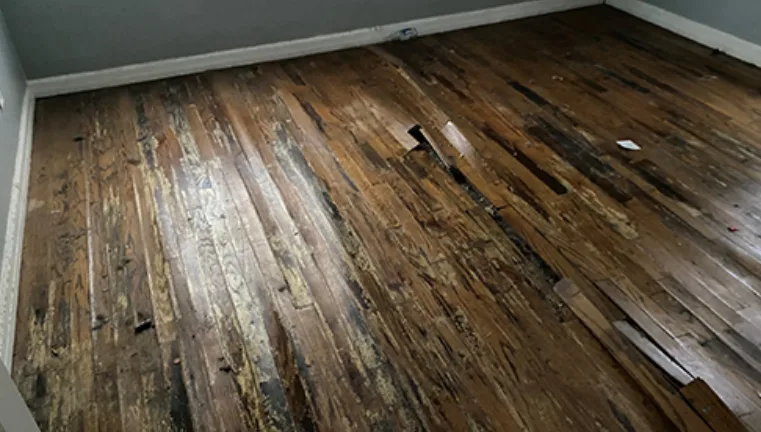
Water damage can affect a property in ways that are not always immediately visible. A leaking pipe, burst plumbing, appliance malfunction, or unexpected water intrusion can damage walls, flooring, furniture, and personal belongings. Even after the visible water has been removed, hidden moisture may continue causing problems.
For homeowners and business owners, understanding water damage insurance claims is important to ensure that the damage is properly documented and the claim is handled carefully.
Common Types of Water Damage Covered by Insurance
Water damage can occur for several reasons, depending on the property and the circumstances of the incident. Common examples include:
Burst or leaking water pipes.
Plumbing system failures.
Appliance-related water leaks.
Accidental water discharge.
Water damage affecting walls, ceilings, and flooring.
Coverage depends on the specific insurance policy, including its exclusions and limitations. Therefore, reviewing the policy before proceeding with repairs is important.
Why Is Water Damage Assessment Important?
One of the biggest challenges with a water damage insurance claim is identifying the full extent of the damage. Water can travel behind walls, beneath flooring, and into wooden structures, making some problems difficult to identify initially.
Materials such as drywall, wood, carpets, metal, and textiles may deteriorate when exposed to moisture.
Additionally, delayed or inadequate drying can increase the risk of mold growth, staining, swelling, and structural deterioration.
A proper damage assessment helps identify affected areas and determine which materials may be restored and which may require replacement.
Understanding the Water Damage Claim Process
Handling a water damage property insurance claim often involves multiple stages. These may include:
Initial Inspection: Identifying visible and potential hidden damage.
Mitigation: Taking appropriate steps to prevent further damage.
Tear-Out: Removing damaged materials when necessary.
Damage Evaluation: Assessing affected structures and personal belongings.
Repair and Restoration: Estimating the work required to restore the property.
Keeping photographs, repair estimates, invoices, and other supporting documents can help establish the extent of the reported loss.
How Can a Public Adjuster Help With Water Damage Claims?
Managing an insurance claim can become complicated, especially when the damage extends beyond visible surfaces. A public adjuster for water damage claims can help policyholders understand their options and navigate the documentation process.
A public adjuster may assist with:
Reviewing applicable insurance policy provisions.
Documenting visible and hidden property damage.
Evaluating repair and replacement estimates.
Organizing supporting claim documentation.
Communicating with the insurance company.
Assisting with claim discussions and negotiations.
Public adjusters do not perform mitigation or repair work. Instead, they help policyholders manage the insurance claim process.
Why Consider Brown O'Haver for Water Damage Claims?
Brown O'Haver is a public insurance adjusting company that represents policyholders rather than insurance companies. The team helps individuals and businesses navigate complex property insurance claims.
With experience in handling significant property losses, Brown O'Haver assists clients with damage documentation, claim evaluation, policy review, and settlement discussions.
Whether you are dealing with residential water damage or a larger commercial property loss, professional guidance can help you better understand the claims process.
Explore Brown O'Haver's water damage claim services to learn more about the assistance available.
Final Thoughts
Water damage can create problems that extend far beyond what is visible during the initial inspection. Proper mitigation, detailed documentation, and a clear understanding of insurance coverage are important steps in handling a property damage claim.
If your home or business has experienced water damage, consider seeking professional claim assistance. Visit Brown O'Haver to learn more about its public adjusting services and how the team can help you navigate the insurance claim process.
0 comments
Log in to leave a comment.
Be the first to comment.