
Vitiligo Treatment Options for Healthier-Looking Skin

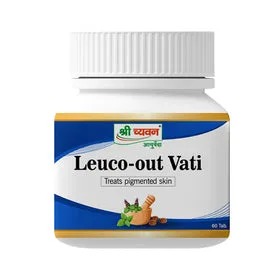
Seeing a white patch appear on your skin can catch you off guard. At first, it may look like a small change that will disappear on its own. Then you notice it again in the mirror. People searching for vitiligo treatment may come across medical therapies, skin-care options, and traditional Ayurvedic products from brands such as Shri Chyawan Ayurved. The right choice depends on the cause, the areas affected, how quickly the patches are changing, and what a dermatologist finds during an examination.
What Is Vitiligo?
Vitiligo is a long-term skin condition that causes areas of skin to lose their usual colour. It happens when melanocytes, the cells responsible for producing melanin, are damaged or destroyed.
Melanin gives your skin much of its natural colour. When pigment-producing cells disappear from an area, that skin can become noticeably lighter or completely white.
Vitiligo can develop at any age. It may affect the hands, face, feet, elbows, knees, lips, or other parts of the body. Some people have a few small patches, while others develop larger areas.
The pattern isn't always predictable. A patch may stay unchanged for months, then new spots may appear.
And one thing should be clear: vitiligo is not contagious. You cannot catch it from another person.
Why Does Vitiligo Happen?
Vitiligo is generally considered an autoimmune condition. The immune system mistakenly attacks melanocytes, though researchers are still studying why this happens.
Genetics can play a role. People with a family history of vitiligo may have a higher chance of developing it. Other factors, including certain forms of physical or environmental stress on the skin, have also been studied.
There isn't one simple cause that applies to everyone.
Also, not every white patch is vitiligo. Fungal infections, scars, inflammation, and other skin disorders can cause lighter areas too. A dermatologist can help distinguish between them.
That first check is worth doing before spending money on several different treatments.
Common Vitiligo Treatment Options
There is no single treatment that suits every person with vitiligo. Doctors may recommend different approaches based on the extent of pigmentation loss, the location of the patches, age, and whether the condition is stable or spreading.
Common medical options include:
- Topical corticosteroids: These may be prescribed for certain cases to help reduce immune activity in affected skin.
- Topical calcineurin inhibitors: These are sometimes used on areas such as the face and neck.
- Phototherapy: Controlled ultraviolet light, including narrowband UVB, may help stimulate repigmentation in some people.
- Excimer laser: This can be considered for selected, limited areas of vitiligo.
- Surgical procedures: Certain procedures may be considered for stable vitiligo when other treatments haven't provided the desired result.
Results vary. Repigmentation can take time, and some areas of the body respond more readily than others.
Anyone promising overnight results deserves a raised eyebrow.
Ayurvedic Treatment for Vitiligo
Ayurveda has traditionally used herbs, dietary practices, external applications, and lifestyle routines for various skin concerns.
People searching for Ayurvedic treatment for vitiligo may encounter ingredients such as bakuchi, neem, turmeric, manjistha, and other herbs.
Bakuchi is particularly well known in traditional Ayurvedic skin care. Some preparations containing bakuchi are applied to the skin, but they can also cause irritation or increased sensitivity to sunlight if used incorrectly.
So, please don't assume that a stronger mixture will produce faster results.
If you're interested in Ayurvedic care, speak with a qualified Ayurvedic practitioner. Tell your dermatologist about any herbal products you use too. Combining treatments without guidance can sometimes create more problems than expected.
Shri Chyawan Ayurved and Skin Wellness
Shri Chyawan Ayurved offers Ayurvedic products based on traditional herbal practices and formulations. People exploring Ayurvedic approaches to skin wellness may consider such products as part of their broader personal-care routine.
If you are considering an Ayurvedic product for vitiligo, check the ingredients, directions, and recommended use carefully. Don't apply concentrated herbal preparations to large areas of skin without suitable guidance.
Stop using a topical product if you develop significant burning, redness, swelling, itching, or another unusual reaction.
Sensitive skin needs patience, not experimentation.
Protecting Skin From Sun Exposure
Depigmented skin has less melanin, which normally provides some protection from ultraviolet radiation. Because of this, white patches can burn more easily in strong sunlight.
Sun protection is an important part of everyday skin care.
Use a broad-spectrum sunscreen on exposed areas and reapply it according to the product directions. Hats, umbrellas, and protective clothing can provide additional cover.
There is another small benefit. Tanning the surrounding skin can make vitiligo patches look more noticeable because the contrast becomes stronger.
You don't need to avoid sunlight completely. Just give exposed skin sensible protection.
Can Diet Help With Vitiligo?
There is no specific diet proven to cure vitiligo.
A nutritious diet can still support general health. Include vegetables, fruits, pulses, whole grains, nuts, seeds, and suitable protein sources in your meals.
Be cautious about extreme food restrictions found online. Some websites claim that certain foods directly cause vitiligo or that one particular food can restore skin colour. Those claims aren't a substitute for proper medical advice.
If you suspect a nutrient deficiency, speak with a healthcare professional. A doctor can recommend appropriate testing rather than guessing from symptoms.
Gentle Skin Care Can Make a Difference
Vitiligo-affected skin doesn't necessarily need complicated products.
Use mild cleansers and moisturisers if your skin feels dry. Avoid aggressive scrubbing, harsh bleaching products, or homemade mixtures that can irritate the skin.
Lemon juice is a common home remedy people suggest for many skin problems. It isn't a good idea to experiment with acidic ingredients on sensitive or depigmented skin, particularly before going into sunlight.
A patch that is already noticeable doesn't need extra irritation.
The Emotional Side of Vitiligo
Skin changes can affect confidence. A person may become uncomfortable wearing certain clothes, taking pictures, swimming, or meeting new people.
Sometimes the hardest part isn't the physical condition. It's the questions.
"Is it contagious?"
"No."
"Did you do something to cause it?"
"Not necessarily."
Those comments can become tiring after a while.
Support from family, friends, counsellors, patient groups, or healthcare professionals can help. Vitiligo doesn't change a person's value, even if learning to feel comfortable with visible skin changes takes time.
Can Vitiligo Be Permanently Cured?
There is currently no guaranteed permanent cure for vitiligo.
Some treatments can help restore pigmentation in certain people. Others may focus on slowing disease activity or making the colour difference less noticeable.
Results depend on several factors, including the location and extent of vitiligo, how active the condition is, and the treatment used.
Be careful with products that promise complete repigmentation in a few weeks. Skin cells don't follow advertising schedules.
When Should You See a Dermatologist?
See a dermatologist if you notice new white patches, particularly if they are spreading or appearing in several areas.
A professional examination can confirm whether the patches are caused by vitiligo or another skin condition. Early assessment can also help you understand the available treatment choices.
Seek medical advice before starting herbal products if you are pregnant, have sensitive skin, have another medical condition, or take regular medicines.
If a treatment causes pain, severe irritation, blistering, or worsening skin changes, stop using it and seek medical advice.
Finding a Comfortable Way Forward
Living with vitiligo can involve some trial and error. One person may prefer medical treatment, another may be interested in Ayurvedic care, while someone else may focus mainly on sun protection and cosmetic camouflage.
There is no need to rush into every option at once.
Start with a proper diagnosis. Learn about the condition. Ask questions. If you're interested in Ayurveda, discuss it with a qualified practitioner and keep your dermatologist informed.
Shri Chyawan Ayurved may be considered by people interested in traditional Ayurvedic skin-care practices, but no herbal product should be treated as a guaranteed cure.
Some days you may hardly notice the patches. Other days, you probably will. That's human. What matters is having reliable information, looking after your skin, and choosing care that makes sense for you rather than chasing every quick-fix promise online.
Frequently Asked Questions
What is vitiligo treatment?
Vitiligo treatment includes medical and supportive approaches used to manage loss of skin pigmentation. Options may include topical medicines, phototherapy, laser treatment, or other approaches depending on the person's condition.
Can Ayurveda treat vitiligo?
Ayurveda has traditional approaches to skin conditions and may include herbal preparations and lifestyle practices. There is no guaranteed Ayurvedic cure for vitiligo, so professional guidance is recommended.
Is vitiligo contagious?
No. Vitiligo is not contagious and cannot spread from one person to another through touch, food, clothing, or close contact.
Can diet cure vitiligo?
No specific diet has been proven to cure vitiligo. A varied and nutritious diet can support general health but should not replace appropriate medical care.
Does sunscreen help people with vitiligo?
Yes. Depigmented skin can be more vulnerable to sunburn, so suitable sunscreen, protective clothing, hats, and shade can be useful.
Can white patches disappear naturally?
Vitiligo can behave differently from one person to another. Some areas may remain stable, while others may spread or occasionally show repigmentation. A dermatologist can help monitor changes.
How long does vitiligo treatment take?
Treatment timelines vary widely. Some people may see changes over several months, while others may need longer-term management. The response also depends on the treatment and affected body area.
0 comments
Log in to leave a comment.
Be the first to comment.