
Transform Your Smile With Invisalign: A Singapore Guide
For people considering Invisalign in Singapore, understanding the treatment process, suitability, cost, and daily care can help make the decision easier.

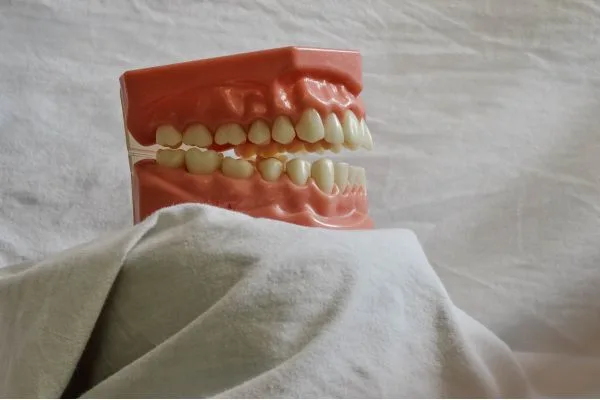
A confident smile can make a lasting impression, but misaligned teeth may affect both appearance and oral health. If you want to straighten your teeth without wearing traditional metal braces, Invisalign offers a discreet and convenient alternative.
For people considering Invisalign in Singapore, understanding the treatment process, suitability, cost, and daily care can help make the decision easier. This guide explains what to expect and how to choose the right dental professional for your smile transformation.
What Is Invisalign and How Does It Work?
Invisalign is an orthodontic treatment that uses a series of custom-made, transparent plastic aligners to gradually move teeth into their desired positions. Unlike conventional braces, these aligners are removable and do not use metal brackets or wires.
Each aligner is designed to make small, controlled tooth movements. As you progress through your treatment, you switch to the next set according to your dentist's instructions.
Invisalign may help address:
Crooked or crowded teeth
Gaps between teeth
Certain bite problems, including overbite and underbite
Teeth that have shifted after previous orthodontic treatment
The suitability of Invisalign depends on your individual dental condition and treatment goals.
Why Consider Invisalign in Singapore?
Invisalign is popular among adults and teenagers who want to improve their smiles while maintaining their usual routines.
A More Discreet Appearance
The clear aligners fit closely over your teeth, making them less noticeable than traditional metal braces. This can be appealing for professionals, students, and people who regularly interact with clients or colleagues.
Convenient Eating and Drinking
You can remove your aligners before meals, allowing you to enjoy your usual foods without worrying about damaging brackets or wires. Remove them when drinking anything other than plain water.
Easier Oral Hygiene
Because Invisalign aligners are removable, you can brush and floss your teeth normally. Maintaining good oral hygiene is important throughout orthodontic treatment to reduce the risk of tooth decay and gum problems.
Designed for Your Teeth
Your dentist develops a personalised treatment plan based on your dental examination and digital scans or impressions. This helps determine how your teeth are expected to move during treatment.
Who Is a Suitable Candidate for Invisalign?
Invisalign may be suitable for people with mild, moderate, or certain more complex alignment issues. However, not every orthodontic problem can be treated effectively with clear aligners alone.
You may be a suitable candidate if you:
Have crowded, crooked, or spaced teeth
Want a less noticeable orthodontic option
Can commit to wearing aligners consistently
Have healthy teeth and gums or are willing to address existing dental issues first
A consultation with an Invisalign-trained dentist or orthodontist is the best way to determine whether this treatment meets your needs. Some cases may be better managed with traditional braces or a combination of orthodontic approaches.
The Invisalign Treatment Process in Singapore
Knowing what happens at each stage can help you feel more prepared before starting treatment.
1. Initial Consultation
Your dentist examines your teeth, gums, and bite. They may take photographs, X-rays, and digital scans to assess your orthodontic needs.
During this visit, discuss your concerns, expected results, treatment duration, and estimated fees.
2. Personalised Treatment Planning
Your dentist uses your dental records to plan the intended tooth movements and determine the aligners required. You may also be shown a digital preview of the proposed treatment.
Remember that a digital preview is a planning tool, not a guarantee of the final result.
3. Receiving Your Aligners
Once your aligners are ready, your dentist checks their fit and explains how to insert, remove, and care for them.
Some patients may require small tooth-coloured attachments to help the aligners achieve specific movements.
4. Wearing and Changing Aligners
Most patients are advised to wear their aligners for approximately 20–22 hours daily. They are usually changed every one to two weeks, depending on the dentist's instructions.
Consistent wear is essential. Frequently removing your aligners or switching sets too early may delay treatment.
5. Progress Reviews
Your dentist will schedule periodic appointments to monitor tooth movement and check that your treatment is progressing as planned.
Additional aligners, known as refinements, may sometimes be needed to improve the final alignment.
6. Retainers After Treatment
Once your teeth reach their planned positions, retainers help maintain the results. Teeth can gradually shift after orthodontic treatment, so following your dentist's retainer instructions is important for preserving your new smile.
How Much Does Invisalign Cost in Singapore?
The cost of Invisalign in Singapore varies depending on the complexity of your case, the number of aligners required, the provider, and any additional dental procedures.
Treatment may cost several thousand Singapore dollars, with more complex cases costing more. Shorter treatment plans for minor alignment issues may be less expensive than comprehensive orthodontic treatment.
Before starting, ask your dental clinic for a detailed quotation that explains:
The total treatment fee
Consultation and diagnostic charges
Whether refinements are included
The cost of retainers and aftercare
Available instalment or payment plans
Comparing treatment plans and what each package includes can help you make a more informed decision.
Invisalign vs Traditional Braces: Which Is Better?
Both Invisalign and traditional braces can improve tooth alignment. The right option depends on your dental needs, lifestyle, and preferences.
Invisalign offers flexibility and discretion, while traditional braces may be more appropriate for certain complex tooth movements. Your dentist can explain which approach is likely to achieve the most predictable result for your condition.
Tips for Getting the Best Invisalign Results
A few simple habits can help you stay on track throughout treatment:
Wear your aligners for the recommended daily duration.
Remove them before eating or drinking anything other than water.
Clean your aligners gently using the method recommended by your dentist.
Brush and floss before putting your aligners back in.
Store aligners in their case when not in use.
Attend scheduled dental appointments.
Contact your dentist if an aligner cracks, becomes uncomfortable, or no longer fits properly.
Avoid using hot water to clean your aligners, as heat can distort the plastic.
How to Choose an Invisalign Provider in Singapore
Choosing the right dental professional is an important part of your treatment journey.
Look for a registered dental practitioner with relevant Invisalign training and experience managing cases similar to yours. You may also want to consider:
Clear explanations of your treatment options
Transparent pricing and payment terms
Convenient clinic location and appointment availability
A structured follow-up and aftercare plan
Willingness to answer questions about risks and expected outcomes
Rather than choosing a clinic based only on advertised prices or provider rankings, prioritise clinical suitability, communication, and ongoing care.
Frequently Asked Questions
How Long Does Invisalign Treatment Take?
Treatment duration varies according to the complexity of your case. Many adult treatments take around 12–18 months, although minor cases may be shorter and more complex cases may take longer.
Is Invisalign Painful?
You may experience temporary pressure or mild discomfort when starting a new aligner. This is generally part of the tooth-movement process and often improves within a few days.
Can I Eat With Invisalign Aligners On?
No. Remove your aligners before eating. You should also remove them when drinking hot, sugary, or coloured beverages. Plain water is generally safe while wearing them.
Is Invisalign Suitable for Teenagers?
Yes. Invisalign has treatment options designed for teenagers, but suitability depends on dental development, orthodontic needs, and the patient's ability to follow wear instructions.
Do I Need to Wear Retainers After Invisalign?
Yes. Retainers help prevent teeth from shifting after treatment. Your dentist will recommend a suitable retainer and wearing schedule.
Start Your Smile Transformation With Invisalign
Invisalign can be an effective and discreet way to improve tooth alignment while fitting into everyday life. Understanding the treatment process, maintaining consistent aligner wear, and choosing an experienced dental professional can help you make informed decisions about your oral health.
If you are considering Invisalign in Singapore, schedule a consultation with a qualified dental practitioner to discuss your smile goals and explore a treatment plan suited to your needs.
0 comments
Log in to leave a comment.
Be the first to comment.