
The Benefits of Medical Massage for Pain Relief and Recovery

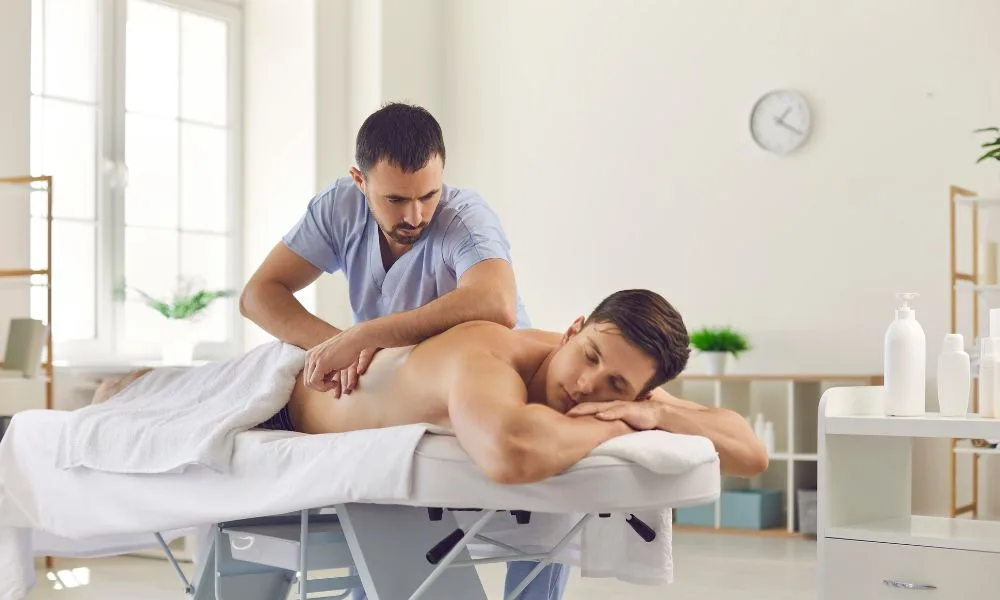
Massage therapy has long been known as an effective way to relieve stress and relax the body. However, when it comes to more serious issues like chronic pain or recovery from injuries, medical massage stands out as a powerful tool. This type of massage is more than just a way to unwind—it is a targeted treatment designed to address specific health concerns, alleviate pain, and help the body heal more efficiently.
Unlike traditional relaxation massages, which aim to calm the mind and relax muscles, medical massage focuses on treating specific conditions, such as muscle strains, back pain, arthritis, and even injuries from accidents. By targeting problem areas, medical massage helps to not only reduce pain but also promote faster recovery and better long-term health.
What Is Medical Massage?
Medical massage is a type of therapeutic massage that focuses on treating specific health problems and injuries. It involves techniques like soft tissue manipulation, deep tissue massage, and trigger point therapy, all designed to address issues such as chronic pain, muscle tension, and mobility limitations.
The key difference between medical massage and regular massage is that it is tailored to the needs of the individual. A licensed and experienced massage therapist will evaluate your condition and apply the best methods to help alleviate pain, increase circulation, and speed up the healing process. Medical massage is used for a wide range of conditions, from post-surgical recovery to injuries and chronic pain disorders.
How Medical Massage Helps Relieve Pain
Pain is a complex issue, and managing it often requires a combination of treatments. Medical massage can provide relief in several important ways:
Improved Circulation: One of the main ways medical massage helps relieve pain is by improving circulation. When blood flow is increased to the affected area, more oxygen and nutrients are delivered to the tissues, which helps them heal. This process also helps clear out waste products that can contribute to inflammation and discomfort.
Muscle Relaxation: Tension in the muscles is often a major cause of pain. Through techniques like deep tissue massage and myofascial release, medical massage helps break down muscle knots and relieve tension, easing pain and improving mobility.
Trigger Point Therapy: Trigger points, or muscle knots, can cause sharp, localized pain or even radiate pain to other areas of the body. Medical massage targets these points to release the tension and reduce pain.
Reducing Inflammation: Inflammation is another common cause of pain in conditions like arthritis or tendonitis. By promoting better blood circulation, medical massage helps reduce swelling and inflammation, leading to less discomfort.
Nerve Pain Relief: Conditions such as sciatica or carpal tunnel syndrome can cause nerve-related pain. Medical massage targets the muscles and tissues around the nerves, helping to reduce pressure and relieve discomfort.
Stress Relief: Stress can worsen pain by making muscles tense and increasing sensitivity to discomfort. Medical massage promotes relaxation and helps lower stress, which can reduce the perception of pain.
How Medical Massage Helps With Recovery
Medical massage is not only helpful for pain relief—it also plays a crucial role in recovery after surgery, injury, or illness. Recovering from physical trauma can take time, but medical massage can help speed up the process in several ways:
Post-Surgery Recovery: After surgery, scar tissue can form, leading to stiffness and discomfort. Medical massage helps break down scar tissue and encourages the formation of healthy tissue, making recovery faster and less painful.
Rehabilitation from Injuries: Whether it’s a sprain, strain, or a more serious injury, medical massage can help restore strength and flexibility to the affected muscles and joints. By reducing swelling and increasing blood flow, it speeds up healing and improves recovery time.
Regaining Flexibility: Stiffness often occurs after an injury or surgery. Medical massage targets the affected muscles and joints, helping restore mobility and flexibility.
Reducing Swelling: Swelling is a common issue after injuries or surgery. Medical massage helps drain excess fluid from the affected areas, reducing swelling and enhancing recovery.
Preventing Future Injuries: By targeting areas of tension and imbalance in the body, medical massage can help prevent future injuries. This is especially helpful for people recovering from an injury or those who are prone to musculoskeletal issues.
Enhancing Athletic Performance: Athletes can also benefit from medical massage, as it helps to relieve muscle soreness, reduce the risk of injury, and improve overall performance. Regular treatments can keep the muscles flexible, improving mobility and strength.
Conditions Treated With Medical Massage
Medical massage can help with many different conditions, both chronic and acute. Some of the most common conditions treated include:
Back and Neck Pain: Medical massage helps reduce muscle tension and improve mobility in the back and neck, providing relief from chronic pain.
Arthritis: Whether it's osteoarthritis or rheumatoid arthritis, medical massage can reduce inflammation and improve joint function, making it easier to move without pain.
Sports Injuries: From sprains to tendonitis, medical massage speeds up recovery from sports-related injuries by reducing swelling and improving circulation.
Fibromyalgia: Individuals with fibromyalgia often experience widespread pain and muscle tenderness. Medical massage helps reduce these symptoms by targeting muscle tension and improving blood flow.
Migraines and Tension Headaches: Tension in the neck, shoulders, and upper back can trigger migraines and headaches. Medical massage helps release this tension, providing relief from these painful conditions.
Carpal Tunnel Syndrome: For people suffering from carpal tunnel syndrome, medical massage helps relieve pressure on the wrist and hand, reducing pain and improving hand function.
Post-Surgical Recovery: After surgery, medical massage helps break down scar tissue, improve circulation, and reduce inflammation, speeding up the recovery process.
Is Medical Massage Right for You?
If you're experiencing pain or recovering from an injury or surgery, medical massage may be a good option for you. However, it's important to talk to your healthcare provider before starting any new treatment. Medical massage can complement other treatments like physical therapy, medication, or surgery, but it’s essential to ensure that it’s the right fit for your condition.
Working with a skilled massage therapist who specializes in medical massage is key to getting the best results. They will assess your condition and customize the treatment to meet your specific needs.
Conclusion
Medical massage is an effective, non-invasive way to manage pain and support recovery. Whether you're dealing with chronic pain, recovering from surgery, or just trying to improve your overall health, medical massage offers a variety of benefits. By targeting the underlying causes of pain and promoting healing, it can help you live a more active and comfortable life.
If you’re interested in learning more about medical massage and how it can benefit you, consider reaching out to SF Custom Chiropractic. We specialize in pain management and recovery through customized treatment plans, which may include medical massage therapy.
0 comments
Log in to leave a comment.
Be the first to comment.