
The Bedsheet Breathability Test: What Actually Keeps You Cool at Night?
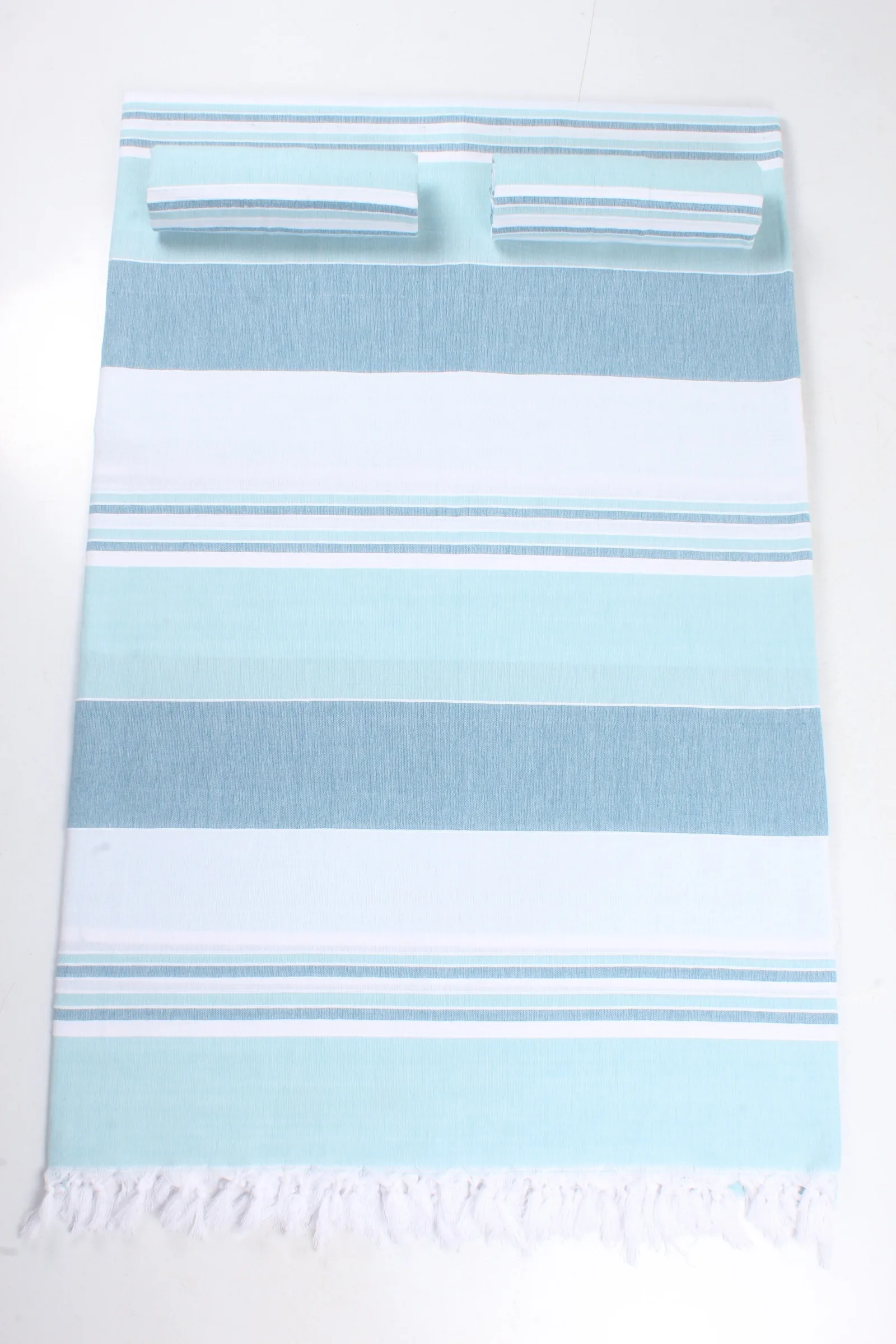
Waking up in the middle of the night feeling overheated is a common frustration that disrupts restorative sleep. Many of us blame the room temperature or the thickness of our duvet, but often the culprit is much closer: our bedsheets. The secret to a comfortable, cool night’s sleep lies not in thread count alone, but in a fabric’s ‘breathability’. Understanding this single characteristic can transform your sleeping experience. Choosing the right bedsheet for double bed cotton is the first step towards achieving a tranquil and temperature-regulated rest.
What Is Breathability and Why Does It Matter?
In simple terms, breathability is a fabric's ability to allow air and moisture vapour to pass through it. A highly breathable bedsheet will not trap the heat and perspiration your body naturally releases during the night. Instead, it allows this heat and moisture to escape, creating a microclimate that helps your body maintain a stable, comfortable temperature.
The Science of Airflow
Fabrics are made of woven threads. The space between these threads creates tiny pores that allow for air circulation. When a fabric is breathable, air can move freely, preventing a build-up of stale, warm air next to your skin. This constant, subtle airflow is essential for thermal regulation. It helps moisture evaporate from your skin, which is the body's primary cooling mechanism. Without this process, you are left feeling clammy and hot.
How Breathability Impacts Sleep Quality
Your body temperature naturally dips as you fall asleep, a process crucial for entering the deeper, more restorative stages of sleep. Sheets that trap heat work against this biological process, potentially causing you to toss and turn, or wake up altogether. A breathable sheet works in harmony with your body, facilitating this natural temperature drop and helping you stay comfortably asleep throughout the night.
Identifying the Most Breathable Fabrics
When it comes to bedding, not all materials are created equal. The choice of fibre and the way it is constructed play the most significant roles in determining its cooling properties.
The Superiority of Natural Fibres
Natural fibres are generally more breathable than their synthetic counterparts like polyester or nylon. Synthetics are essentially plastics, which are known for trapping heat and moisture. Cotton, on the other hand, is a natural, plant-based fibre celebrated for its softness, durability, and exceptional breathability. It is hydrophilic, meaning it readily absorbs moisture, drawing it away from your skin to keep you feeling dry and cool. This is why bedsheets for double bed cotton traditional designs have remained popular for centuries; their effectiveness is time-tested.
Weave, Not Just Thread Count
While many people focus on thread count, the weave of the fabric is often a more important indicator of breathability.
· Percale: This is a plain, matte weave that results in a light, crisp, and incredibly breathable fabric. The threads are woven in a simple one-over, one-under pattern, which allows for maximum air circulation.
· Sateen: This weave uses a one-under, three-or-four-over pattern. This structure creates a silkier, smoother surface but results in a denser fabric that is less breathable than percale.
A very high thread count can sometimes be a disadvantage for hot sleepers. When too many threads are packed into a square inch, it can reduce the space for air to flow, effectively trapping heat.
Factors That Can Hinder Breathability
Even a high-quality cotton fabric can have its natural breathability compromised. Heavy dyes and certain chemical finishes can clog the fabric's pores, reducing airflow. For instance, some bedsheets for double bed cotton printed with thick, paint-like dyes may feel less airy than their unprinted or naturally dyed counterparts. Similarly, wrinkle-resistant finishes often involve treating the cotton with chemicals that can seal the fibres, hindering their ability to breathe and wick moisture.
The Simple At-Home Breathability Test
You do not need a laboratory to get a sense of a sheet's breathability. Here are a few simple tests you can perform:
· The Light Test: Hold the fabric up to a window or a lamp. If you can see light filtering through the weave, it is a good sign that air will be able to pass through as well.
· The Moisture Test: Place a single drop of water on the surface of the sheet. A breathable, absorbent fabric like cotton will soak up the drop quickly. If the water beads on the surface, the fabric may have a finish that reduces its absorbency and breathability.
· The Air Test: Hold the fabric up to your mouth and try to breathe through it. If you can feel your breath easily on the other side, the fabric has good airflow.
When looking for the perfect cotton bedsheet for double bed, prioritising these tangible qualities over marketing claims will lead you to a much more comfortable choice.
Conclusion
Achieving a cool and comfortable night’s sleep is not about complex solutions; it is about making an informed choice with your bedding. The key takeaway is that breathability is paramount. A truly breathable sheet is typically made from a natural fibre like cotton, features a lighter weave such as percale, and is free from heavy finishes that can block airflow. By understanding these principles, you can look beyond simple thread counts and choose bedding that works with your body, not against it. Investing in a high-quality cotton bedsheet for double bed is an investment in your comfort and overall well-being.
For those interested in exploring a collection of mindfully crafted bedding that champions natural comfort and breathability, you can discover the range at Shramdaan.
0 comments
Log in to leave a comment.
Be the first to comment.