
Step-by-Step Guide to Improving Quran Recitation
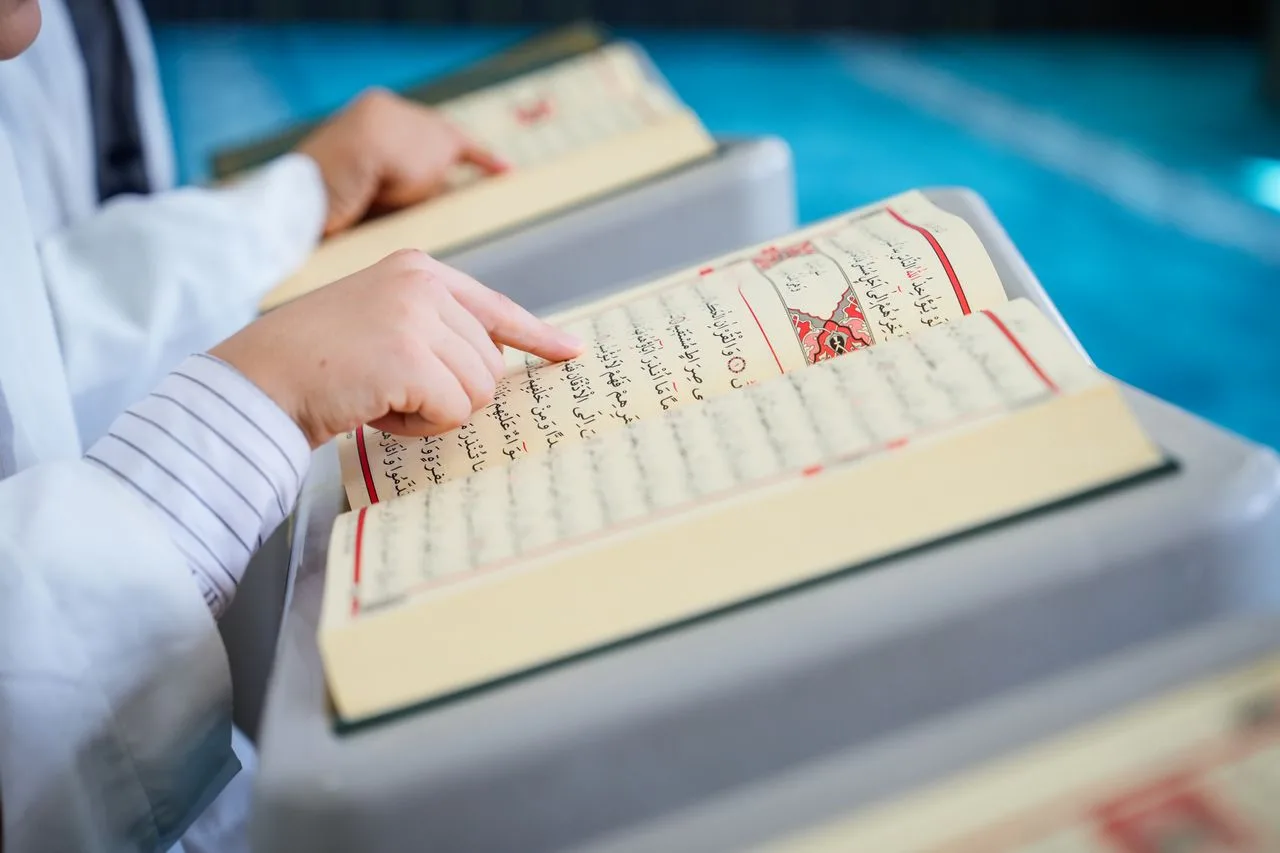
Reciting the Quran well is a skill built step by step, not a talent you are born with. The Quran itself instructs believers to recite it in measured, deliberate fashion (tartil, Surah Al-Muzzammil 73:4), and the Prophet ﷺ taught that the person who recites skillfully is with the noble angels, while the one who struggles and stumbles through it earns a double reward (narrated in Sahih al-Bukhari and Sahih Muslim). In other words, whatever your level today, effort matters and improvement is within reach.
This guide lays out a clear path: from correcting your foundation to building a daily routine and measuring your progress. It follows the way recitation has been taught for centuries, through listening, correction and repetition, while adding modern tools that make practice easier.
About This Guide (Experience, Expertise and Trust)
The methods below reflect the established tradition of tajweed teaching: learning the Arabic letters from their points of articulation (makharij), applying the rules of tajweed, and receiving live correction from a qualified teacher. They are the same stages most recitation classes and institutes follow, and they are practical for adult learners, parents and students alike.
Two honest notes. First, a written article cannot replace a living teacher: the Quran is preserved through an unbroken chain of oral transmission, and correct pronunciation is learned by hearing and being corrected. Second, where a ruling of tajweed is discussed in detail, confirm it with your teacher or a qualified scholar, especially if you are preparing for ijazah (formal authorization to teach recitation).
Step 1: Set a Sincere Intention and a Realistic Goal
Begin with ikhlas (sincerity). Recitation done for the sake of Allah is where real improvement and consistency come from. Then turn your intention into a specific goal, for example:
- Read Surah Al-Fatihah and the short surahs without mistakes within one month.
- Complete the Juz Amma (Juz 30) with correct tajweed within six months.
- Read one page of the Mushaf fluently each day within a year.
A clear, measurable goal keeps you motivated on the days you feel stuck.
Step 2: Master the Arabic Letters and Their Points of Articulation
Most recitation errors come from confusing letters that sound similar to non-Arabic speakers, such as ح and ه, ص and س, ق and ك, or ع and ء. Spend your first weeks on the foundation:
- Learn each of the 28 letters, its shape in different positions, and its short vowels (fathah, kasrah, dammah).
- Study the makharij (where each sound is produced: throat, tongue, lips, nasal passage).
- Practise each letter slowly, listening to a qualified reciter, then repeating.
A strong foundation here saves months of correcting bad habits later.
Step 3: Learn the Core Rules of Tajweed Gradually
Tajweed means giving every letter its due right. Do not try to learn every rule at once. A sensible order is:
- Noon Sakinah and Tanween: idhhar, idgham, iqlab and ikhfa.
- Meem Sakinah: the three rules of the silent meem.
- Madd (elongation): natural and extended lengthening, and the counts for each.
- Qalqalah: the echoing sound of the letters ق ط ب ج د when they are silent.
- Heavy and light letters (tafkheem and tarqeeq): including the ruling on the letter ر and the word Allah.
- Stopping and starting (waqf and ibtida): where to pause, and how to resume.
Learn one rule, find it in the Quran, and apply it before moving on.
Step 4: Find a Qualified Teacher
This is the single biggest accelerator. A Quran tutor can hear errors you cannot hear yourself, correct them on the spot, and tailor the pace to your level. When choosing one, check:
- Qualifications: formal training in tajweed, ideally with an ijazah or a recognized certificate in recitation.
- Teaching experience: especially with learners at your level (children, adult beginners, or non-Arabic speakers).
- Method: a clear lesson structure, regular feedback and a way to track progress.
- Trial lesson: a good teacher is happy to offer a short trial so you can judge the fit.
- Reputation: reviews, references or recommendations from students and local scholars.
Online lessons make it possible to learn with a teacher anywhere in the world, so distance is no longer a barrier. Whether you choose in-person or online, regular live sessions (even twice a week) make a noticeable difference.
Step 5: Listen Actively to Expert Reciters
Listening trains your ear for rhythm, pronunciation and pausing. Do not just play audio in the background; listen with the Mushaf open and follow along.
- Pick one or two reciters known for clear, measured recitation (many learners start with slower murattal styles rather than fast hadr style).
- Listen to a short passage several times, then recite it and compare.
- Record yourself and listen back: this is often where you notice mistakes for the first time.
Step 6: Practise Slowly, Then Build Fluency
Accuracy comes first, speed comes later. Use this simple practice cycle:
- Read a few verses slowly, applying the rules you have learned.
- Repeat each verse until you can read it without hesitation.
- Join the verses together and read the whole passage.
- Read it again after your teacher's correction.
Short, focused practice beats long, tiring sessions. Fifteen to thirty focused minutes every day is better than two hours once a week.
Step 7: Understand What You Recite
Understanding the meaning improves concentration, helps you pause in the right places, and makes recitation more heartfelt. You do not need to be a scholar: read a trusted translation or a short tafsir of the passage you are practising, and reflect on one lesson from it each day.
Step 8: Build a Consistent Daily Routine
Consistency is what separates fast improvement from slow progress.
- Choose a fixed time (many people find after Fajr or before sleep works best).
- Choose a quiet place and keep your Mushaf ready.
- Make wudu and begin with isti'adhah and basmalah.
- Track your days on a simple calendar so you do not break the chain.
Step 9: Review Often and Track Your Progress
The Prophet ﷺ reviewed the Quran with Jibril (Gabriel) every Ramadan, which is a lasting example of revision. Make review a habit:
- Revisit previously corrected pages weekly.
- Keep a notebook of your recurring mistakes and the rule that fixes each one.
- Every month, re-record a passage and compare it with your earlier recording to see your growth.
Common Mistakes to Avoid
- Rushing: reading fast before you read correctly.
- Skipping a teacher: relying only on apps or videos, which cannot hear and correct you.
- Learning too many rules at once: this leads to confusion and quitting.
- Ignoring small errors: a short vowel or a letter swap can change the meaning of a word.
- Comparing yourself to others: progress is personal, and struggling is itself rewarded.
Frequently Asked Questions
How long does it take to improve Quran recitation? It depends on your starting point and practice time. With a teacher and daily practice, many adult beginners read with basic accuracy within a few months, and refine their tajweed over a year or more. Improvement is gradual and continues for life.
Can I learn tajweed without a teacher? Books and apps can teach you the theory, but they cannot hear your pronunciation. A Quran tutor gives you the live correction that self-study cannot, which is why scholars consistently recommend learning from a teacher.
Is it acceptable to recite if I make mistakes? Yes. The hadith mentioned above promises a double reward to the person who finds recitation difficult and keeps trying. Keep reciting while working steadily to improve.
What is the best age to start? There is no wrong age. Children benefit from early exposure, and adults can make excellent progress with patience and structure.
Conclusion
Improving your Quran recitation comes down to a handful of steps done consistently: fix your intention, learn the letters and their articulation, study tajweed gradually, learn from a qualified teacher, listen and practise daily, understand what you read, and review regularly. Start small today with one page, one rule and one teacher's feedback, and let steady practice carry you forward. May Allah make your recitation a source of light and reward.
0 comments
Log in to leave a comment.
Be the first to comment.