
Speech Delays Don't Have to Wait- Jaipur's Therapists Are Ready to Help

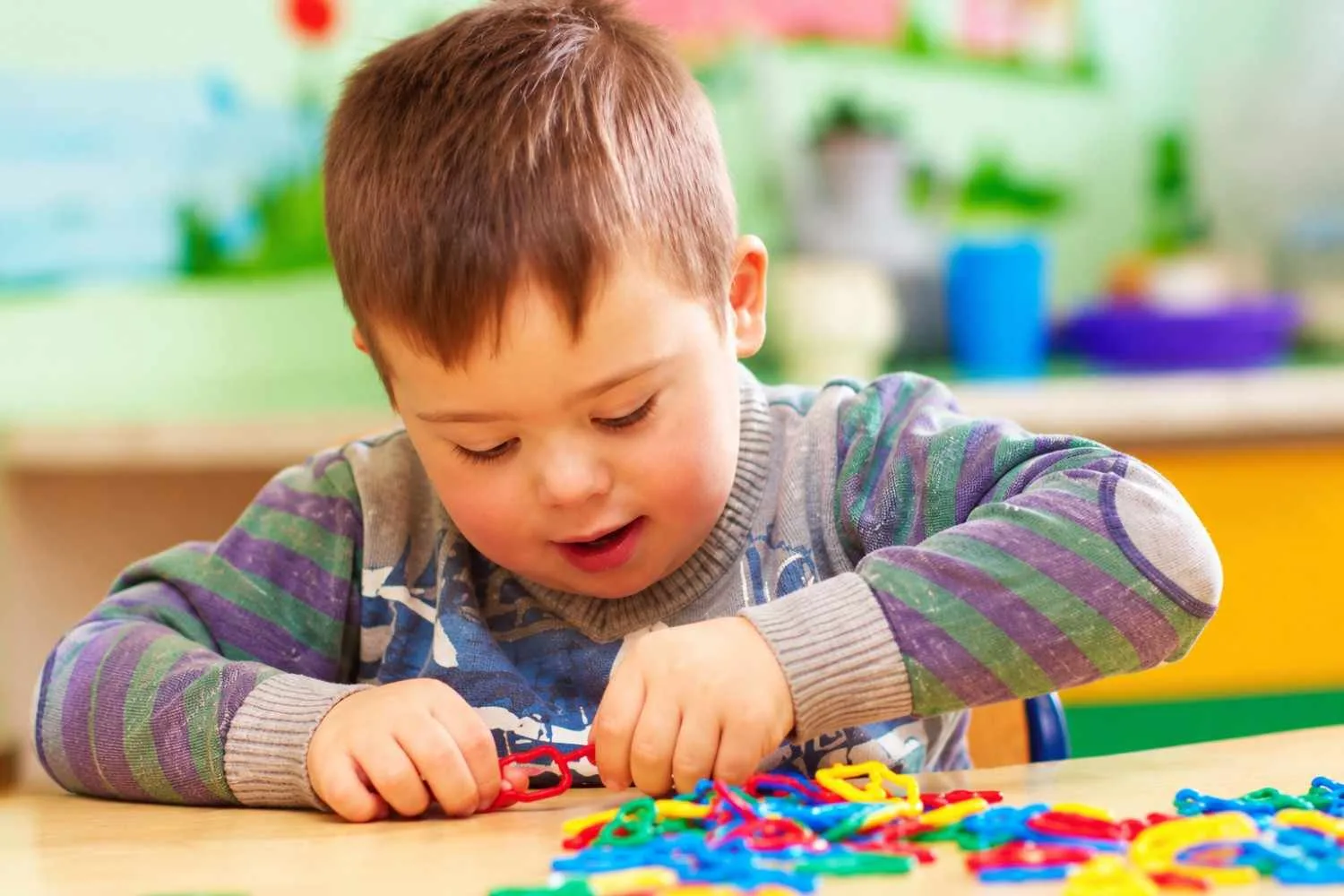
A child's first words are exciting milestones that parents eagerly anticipate. When those words take longer than expected or communication seems difficult, it is natural to feel concerned. While every child develops at their own pace, persistent speech and language delays should never be ignored. Early support can make a remarkable difference in how children communicate, learn, and connect with the world around them.
Many speech and language challenges improve significantly when identified early and addressed with evidence-based therapy. The sooner children receive professional guidance, the greater their opportunity to build confidence and develop essential communication skills that support success at home, in school, and throughout life.
If your child is struggling to express themselves, understand language, or communicate effectively, now is the right time to seek expert advice rather than waiting for the problem to resolve on its own.
Understanding Speech and Language Delays
Although people often use the terms interchangeably, speech and language are not the same.
Speech refers to how a child produces sounds and words clearly.
Language involves understanding others, expressing ideas, following directions, and using words to communicate meaning.
Some children may pronounce words incorrectly but understand conversations well. Others may speak clearly but struggle to understand instructions or express their thoughts. Identifying the specific challenge is the first step toward choosing the right intervention.
Every child's developmental journey is unique, which is why professional assessment is so valuable.

Signs Parents Should Never Ignore
Children reach developmental milestones at different ages, but some signs deserve timely attention.
You may consider consulting a professional if your child:
Uses very few words for their age
Has difficulty combining words into short sentences
Does not respond consistently when spoken to
Struggles to understand simple instructions
Finds it difficult to pronounce common words
Becomes frustrated because others cannot understand them
Shows limited interest in communicating with family members
Experiences speech regression after previously meeting milestones
These signs do not always indicate a serious condition, but they do suggest that a developmental evaluation may be beneficial.
Why Early Intervention Matters More Than Waiting
Many parents hear phrases such as, "They'll start talking when they're ready."
While some late talkers naturally catch up, others need structured support to build communication skills. Waiting too long can affect social development, emotional confidence, classroom participation, and early literacy skills.
Early speech therapy helps children:
Develop a stronger vocabulary
Improve sentence formation
Enhance listening and comprehension
Build clearer pronunciation
Strengthen social communication
Gain confidence during conversations
Prepare more successfully for school
Children's brains are especially responsive during the early years, making early intervention one of the most effective investments in their long-term development.
What Happens During Speech Therapy?
Speech therapy is far more engaging than many parents imagine. Sessions are designed around play, interaction, storytelling, games, and activities that naturally encourage communication.
Halfway through the intervention journey, many families begin searching for the best speech therapist in Jaipur who can create personalized therapy plans based on each child's communication strengths, developmental goals, and individual learning style.
A therapist first performs a detailed assessment to understand how your child communicates. Based on the findings, therapy goals are developed and adjusted regularly as progress continues.
Sessions may focus on:
Speech sound development
Vocabulary building
Sentence formation
Language comprehension
Social communication
Listening skills
Oral motor development
Parent-guided home practice
Every activity is designed to encourage meaningful communication in real-life situations rather than memorized exercises.
A Team Approach Delivers Better Results
Communication development often overlaps with other areas of growth. Some children benefit from support beyond speech therapy alone.
Depending on individual needs, families may also work with professionals offering Special Education in Jaipur, specialists providing Best Speech Therapy in Jaipur, occupational therapists, developmental experts, and experienced teen psychologists in Jaipur services for older children and adolescents facing communication, emotional, or behavioral challenges.
When professionals collaborate, therapy goals become more consistent across home, school, and clinical settings, leading to stronger long-term outcomes.
The Powerful Role Parents Play
Speech therapy does not end when the session is over. Children learn best when communication is encouraged throughout everyday life.
Parents can support development by:
Talking during daily routines
Reading books together regularly
Encouraging turn-taking during conversations
Giving children time to respond without rushing
Expanding on the words children already use
Limiting passive screen time
Celebrating every small communication success
Consistent practice at home reinforces therapy techniques and helps children use new skills naturally in everyday situations.
Choosing the Right Speech Therapy Center
Finding the right therapist is just as important as beginning therapy early. A quality speech therapy program should focus on individualized care rather than standardized treatment plans.
When evaluating a center, consider asking:
Is a comprehensive communication assessment conducted first?
Are therapy goals customized for each child?
How is progress measured and shared with parents?
Are home activities provided between sessions?
Does the therapist encourage active family involvement?
Is the therapy environment child-friendly and engaging?
A supportive partnership between therapists and families creates the strongest foundation for meaningful progress.
Small Steps Today Can Create Lifelong Confidence
Communication is one of the most important life skills a child will ever develop. It influences learning, friendships, emotional expression, classroom participation, and future independence.
If your child is experiencing speech or language difficulties, seeking professional guidance early can open the door to meaningful progress. With individualized therapy, family involvement, and consistent encouragement, many children develop the confidence and communication skills they need to thrive.
Every child deserves the opportunity to be understood, express their ideas, and participate fully in the world around them. Taking action today can help build that future-one word, one conversation, and one milestone at a time.
0 comments
Log in to leave a comment.
Be the first to comment.