
Soup Night or Stew Night? What Sets Them Apart
Soup and stew look similar from across the kitchen, but the differences run deeper than the name. Liquid amount, simmer time, meat texture, and the vegetables that make it into the pot all set the two dishes apart.

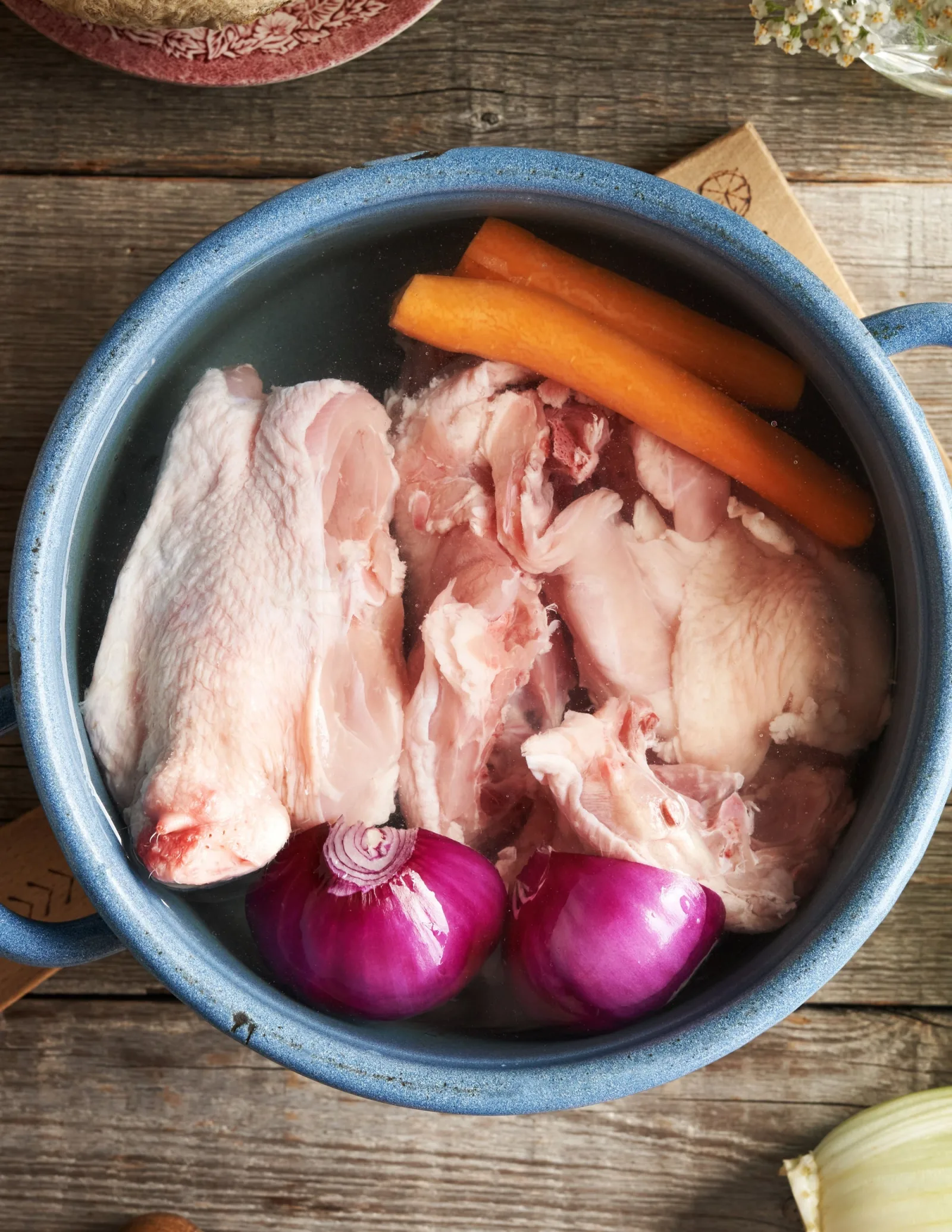
You lift the lid on the pot to check on what’s simmering on the stovetop. Is it soup or stew? Soup and stew may sound similar, and there are some cases where you might mistake one for the other, but a stew made with grass fed beef needs a different approach than a soup you want on a weeknight.
The Ingredient Measurements
The most obvious difference between soup and stew is in the recipe: it’s the measurement of water, broth, stock, or cream. Soup starts with a generous amount of broth or stock, enough that the liquid is still present and, well, liquidy. Stew uses far less liquid, just enough to cover the meat and vegetables as they cook into a thick, hearty dish.
The Simmer Time
Cooking time varies more with soup. Some soups simmer for 30 minutes; others take hours to deepen in flavor. A pot of soup made with nutritious chicken raised free from soy simmers into a light, clean broth in under an hour. It’s a solid weeknight choice. Stew asks for more patience. Its low, slow simmer breaks the meat and vegetables down into the tender texture that makes a good stew.
The Texture of the Meat
Meat behaves differently in each pot, too. Soup can use shredded chicken or small pieces of bacon, beef, or pork; a bowl of ramen might even bring in fish cakes and pork belly for a mix of textures. When you order pastured chicken online, shredding a cooked breast for soup takes just minutes. Stew takes the opposite approach, with a large cut of beef or chicken that simmers low and slow until it turns so tender it falls apart at the touch of a fork.
The Other Ingredients
The supporting ingredients follow the same pattern. Soup welcomes almost anything, in any shape, from leafy greens to rice to a handful of frozen vegetables. Stew is more selective, sticking to root vegetables and other sturdy produce that can simmer for hours without turning to mush. If a noodle makes it into the stew pot, it tends to be a short, sturdy shape like macaroni rather than something delicate.
About Primal Pastures
What started with 50 backyard chickens in Southern California has grown into a nationwide mission to raise the healthiest animals possible and bring clean, honest food to families everywhere. Primal Pastures sources their proteins and products from regenerative farms throughout the U.S., where pasture raised pork, corn and soy free chicken, and grass fed and finished beef are raised the way nature intended. From grass fed beef tallow to pastured whole chicken, Primal Pastures is growing something good, one meal at a time.
Stock the freezer for soup nights and stew nights alike at https://primalpastures.com/
Original Source: https://bit.ly/4eM4qXm
0 comments
Log in to leave a comment.
Be the first to comment.