
Smart Budget Home Renovation Tips for Lasting Impact

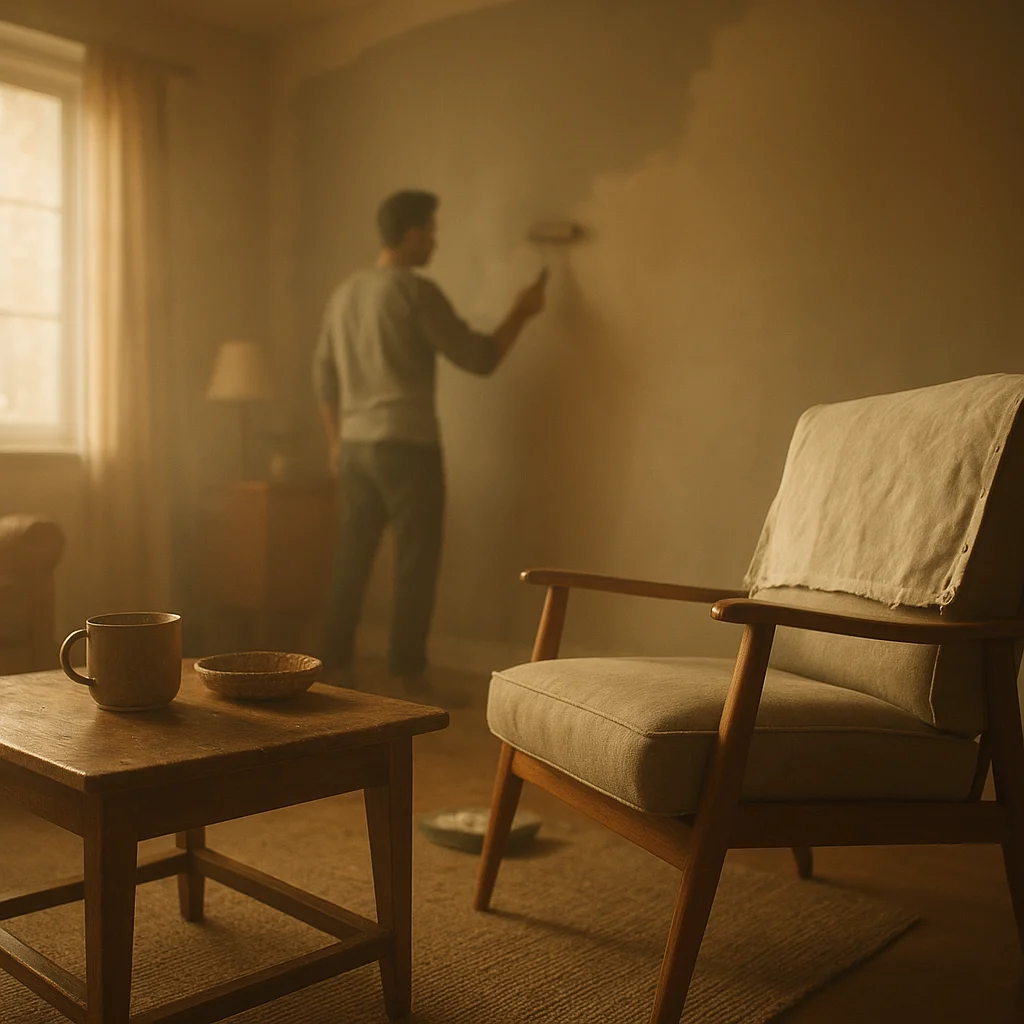
Whispers of a Home Reborn: The Art of Budget Renovation
It is the subtle creak of a floorboard, the faint scent of fresh paint mingling with dust, the soft morning light filtering through a newly installed window—these are the quiet intimations of a home inching toward transformation. Budget home renovation, often imagined as a daunting labyrinth of compromises, can instead be a measured dance of creativity and restraint. As the world around us redefines value, so too does the home shift from a static shelter to a canvas of personal expression, even when funds are modest.
Statistics from the National Association of Home Builders reveal that in 2026, nearly 62% of homeowners prioritize cost-efficiency over luxury in renovations. The subtle economy of choices—choosing where to splurge and where to save—defines success in this delicate craft. The scene is set, not by extravagant budgets but by discerning eyes trained to spot opportunity in the overlooked.
Tracing the Roots: How Budget Renovations Became Essential
Historically, home renovation was a privilege of the wealthy or a necessity born from decay. Over time, economic shifts, urbanization, and the rising cost of new construction have steered many toward revitalizing existing spaces instead of building anew. The 2020s, in particular, saw a surge of homeowners embracing renovation as an act of sustainability and financial prudence.
In Nigeria, where I hail from, the rising urban middle class grapples with housing shortages and inflated property prices; budget renovation has become more than a trend—it is a survival strategy. Globally, according to Statista, the home improvement market surpassed $600 billion in 2025, with a significant portion allocated to cost-conscious upgrades. This cultural shift underscores a deeper awareness: homes are not merely investments but reflections of identity, and their renewal need not be extravagant to be meaningful.
Modern renovation culture also intertwines with digital democratization. Platforms like Froodl offer accessible knowledge, enabling homeowners to plan and execute projects with confidence, regardless of wallet size. This shift marks a departure from reliance on contractors alone, empowering individuals to become architects of their own spaces.
The Anatomy of Smart Budget Renovations: Prioritize, Plan, and Persist
Central to the success of a budget renovation is the triad of prioritization, meticulous planning, and unwavering persistence. The process begins with identifying which areas promise the highest return on investment—be it in comfort, functionality, or aesthetic uplift.
For instance, kitchens and bathrooms consistently rank as high-impact zones. But renovation here need not mean wholesale replacement. An insightful approach involves:
- Refacing Cabinets: A fraction of the cost of new cabinetry, refacing can refresh the kitchen’s soul.
- Upgrading Fixtures: Swapping outdated faucets or handles can inject modern style with minimal expense.
- Repainting Walls: A fresh coat of paint, especially in light or neutral tones, can enlarge and brighten spaces.
Beyond aesthetics, energy efficiency is a domain where budgets stretch farthest. According to recent data from the U.S. Department of Energy, simple upgrades—like adding LED lighting or sealing windows—can reduce energy costs by up to 20% annually. Such investments not only enhance comfort but yield savings that compound over years.
In planning, setting a strict budget with contingency funds is crucial. This guards against the all-too-common spiral of unforeseen costs. Detailed checklists, timelines, and sourcing local materials can also slim expenses.
“Budget renovation isn’t about cutting corners; it’s about carving smart corners,” notes architectural expert Amaka Nwosu, whose projects in Lagos blend elegance with economy.
Persistence emerges as the quiet hero. Renovations, especially on lean budgets, demand patience—waiting for sales, hunting for reclaimed materials, or learning DIY skills. This temporal investment pays dividends in both cost and personal satisfaction.
2026 Insights: The Current Pulse and Emerging Trends
This year, 2026, brings fresh currents to budget renovation, shaped by technological advancements and shifting consumer priorities. Smart home technology, once the preserve of luxury, now filters into affordable niches. Devices like programmable thermostats and inexpensive sensor lighting integrate seamlessly, offering convenience without overwhelming costs.
Moreover, the sustainable renovation movement intensifies. Upcycled materials, low-VOC paints, and solar-adapted designs are no longer niche but increasingly mainstream. The rise of local maker cultures means homeowners can source handcrafted, affordable furnishings that elevate spaces without compromising budgets.
Froodl’s recent feature on budget-friendly renovations in Olathe highlights how community-driven initiatives support homeowners in resource sharing and skill exchange—practices gaining global traction.
Another noteworthy development is the advent of AI-assisted design tools. These free or low-cost platforms analyze space and budget constraints, proposing layouts and material options that optimize every naira or dollar spent.
“Technology has democratized design, turning what was once a luxury into an accessible toolkit,” remarks design technologist Chinedu Ajayi.
Finally, the post-pandemic mindset continues to influence renovations. Multi-functional rooms, home offices, and wellness corners are prioritized, often achieved through clever, inexpensive modifications rather than structural overhauls.
Voices From the Field: Expert Perspectives on Budget Renovation
To understand the nuances of budget renovation, I spoke with several veterans in the field whose insights weave together pragmatism and artistry.
Architect and sustainability advocate, Ifeoma Eze, emphasizes the importance of site-specific solutions. “Every home has its rhythm and story. Renovations thrive when they honor these narratives with thoughtful, minimal interventions.” She recommends thorough pre-renovation assessments to identify hidden issues early, preventing costly surprises.
Contractor Samuel Ojo, known for his work in small-scale urban homes, underscores the value of transparency and communication. “Clients often fear renovation because of unpredictability. Clear scope, open dialogue about materials and labor, and phased work can build trust and control over budgets.”
Interior designer Aisha Bello advocates for layered simplicity. “A home doesn’t need extravagance; it needs coherence. Use pattern, texture, and color thoughtfully. Even small changes can create harmony.” Her approach often involves mixing high-low furnishings—vintage finds paired with modern basics—to stretch resources.
These perspectives align with industry trends and reinforce that budget renovation is less about limitation and more about strategic creativity.
Blueprints for the Future: What to Watch and How to Prepare
Looking ahead, budget home renovation will increasingly intertwine with ecological consciousness and technological accessibility. Anticipate a surge in modular, prefabricated components designed to fit smaller budgets while reducing waste. The circular economy will influence sourcing, with upcycling and material exchanges becoming routine.
Homeowners will also benefit from deeper integration of AI and augmented reality in visualization and project management, enabling precise cost forecasting and real-time adjustments. Platforms like Froodl continue to expand educational resources, fostering communities of practice that democratize expertise.
Practical takeaways for those embarking on budget renovations today include:
- Engage thoroughly in research and planning before breaking ground.
- Prioritize interventions that improve both function and value.
- Leverage technology for design and budgeting assistance.
- Consider sustainability not just as ethics but as cost-saving long-term strategy.
- Build a network of trusted local suppliers and skilled laborers.
As the home becomes a lived testimony of resilience and creativity, budget renovation emerges as an act of quiet rebellion against waste and excess. It invites us to listen closely—to the walls, the light, the textures—and respond with intention.
For those seeking more detailed guidance on managing renovation costs in specific contexts, Froodl offers invaluable resources such as House Renovation Services for Small and Large Homes and Is Your Home Really Clean After Renovation? What You Might Be Missing, which delve into practicalities often overlooked yet critical for budget-conscious projects.
0 comments
Log in to leave a comment.
Be the first to comment.