
Professional Grease Disposal Tips for Cleaner Kitchen Operations

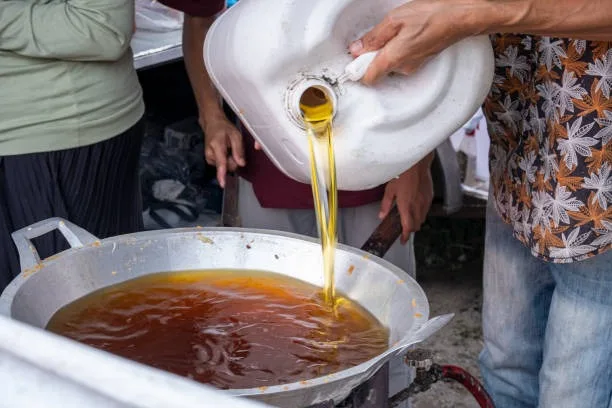
Managing used cooking grease is an essential part of operating any commercial kitchen. Restaurants, cafeterias, hotels, and food production facilities all generate waste oils that require careful handling. Without an organized waste management process, grease can clog plumbing systems, increase maintenance costs, and create environmental concerns. Implementing reliable grease disposal methods allows businesses to improve efficiency while maintaining cleaner workspaces. At the same time, advances in waste processing have made it easier to convert used grease into valuable materials through environmentally responsible recycling programs.
Why Grease Should Never Enter Drainage Systems
Cooking grease behaves differently from ordinary liquid waste. Although it may appear harmless while hot, it begins to harden once temperatures decrease. As grease sticks to pipe walls, additional waste accumulates, eventually restricting water flow. This process often results in expensive plumbing repairs and interruptions to business operations. Proper grease disposal prevents these issues by directing waste into designated storage containers instead of sinks or floor drains. Businesses that consistently follow correct disposal procedures also reduce unpleasant odors and improve overall kitchen sanitation. Clean drainage systems contribute to smoother daily operations and lower maintenance expenses throughout the year.
Creating an Organized Collection Routine
Every commercial kitchen should establish a structured waste collection process. Used grease should be transferred into durable containers specifically designed for oil storage. These containers need secure lids to minimize spills and prevent contamination from insects or debris. Scheduling regular grease disposal pickups ensures storage capacity remains sufficient during busy operating periods. Managers should also inspect collection areas frequently to identify damaged containers or leaks before they create larger operational problems. Organized collection routines reduce workplace hazards while supporting more efficient kitchen management.
Employee Awareness Improves Results
A successful grease management program depends on employee participation. Every staff member should understand where grease should be stored, how containers should be handled, and why improper disposal creates long-term challenges. Regular training reinforces grease disposal procedures and encourages consistency across every shift. Clearly posted workplace instructions also help new employees follow established practices without confusion. When everyone understands their responsibilities, businesses experience fewer mistakes and greater operational efficiency.
The Growing Importance of Grease Recycling
Many businesses have discovered that waste cooking grease can become a valuable resource through grease recycling. Instead of sending used oil to landfills, specialized processing facilities transform it into biodiesel, industrial lubricants, and manufacturing materials. Choosing grease recycling reduces waste while supporting industries focused on renewable resources. Businesses also benefit from professional collection services that simplify waste management and ensure grease is handled responsibly. This practical approach demonstrates environmental commitment while improving overall operational sustainability.
Supporting Environmental Protection
Keeping waste grease out of sewer systems protects local waterways and reduces pressure on municipal treatment facilities. Grease recycling also helps conserve natural resources by creating useful products from materials that would otherwise be discarded. As environmental awareness continues to grow, businesses that adopt sustainable waste practices strengthen their reputation among customers and business partners. Responsible recycling demonstrates that environmental stewardship can be integrated into everyday operations without sacrificing efficiency.
Maintaining Long-Term Success
An effective grease management strategy requires regular evaluation. Managers should monitor storage capacity, inspect collection equipment, and review employee compliance with disposal procedures. Reliable waste collection providers simplify grease disposal by offering scheduled pickups that meet business needs. Maintaining accurate disposal records further supports regulatory compliance and operational planning. Continuous improvement helps businesses adapt their waste management systems as production volumes change over time. These efforts create cleaner facilities, reduce operational costs, and support consistent business performance.
Conclusion
Proper grease management is an investment in operational efficiency and environmental responsibility. Following dependable grease disposal procedures protects plumbing systems, improves workplace cleanliness, and minimizes maintenance expenses. Participating in grease recycling transforms waste into valuable resources that support renewable industries and sustainable manufacturing. By combining employee training, organized storage, and professional waste collection, commercial kitchens establish a dependable system that benefits both business operations and the environment.
0 comments
Log in to leave a comment.
Be the first to comment.