
Music Production for Beginners: From Basics to Breakthroughs

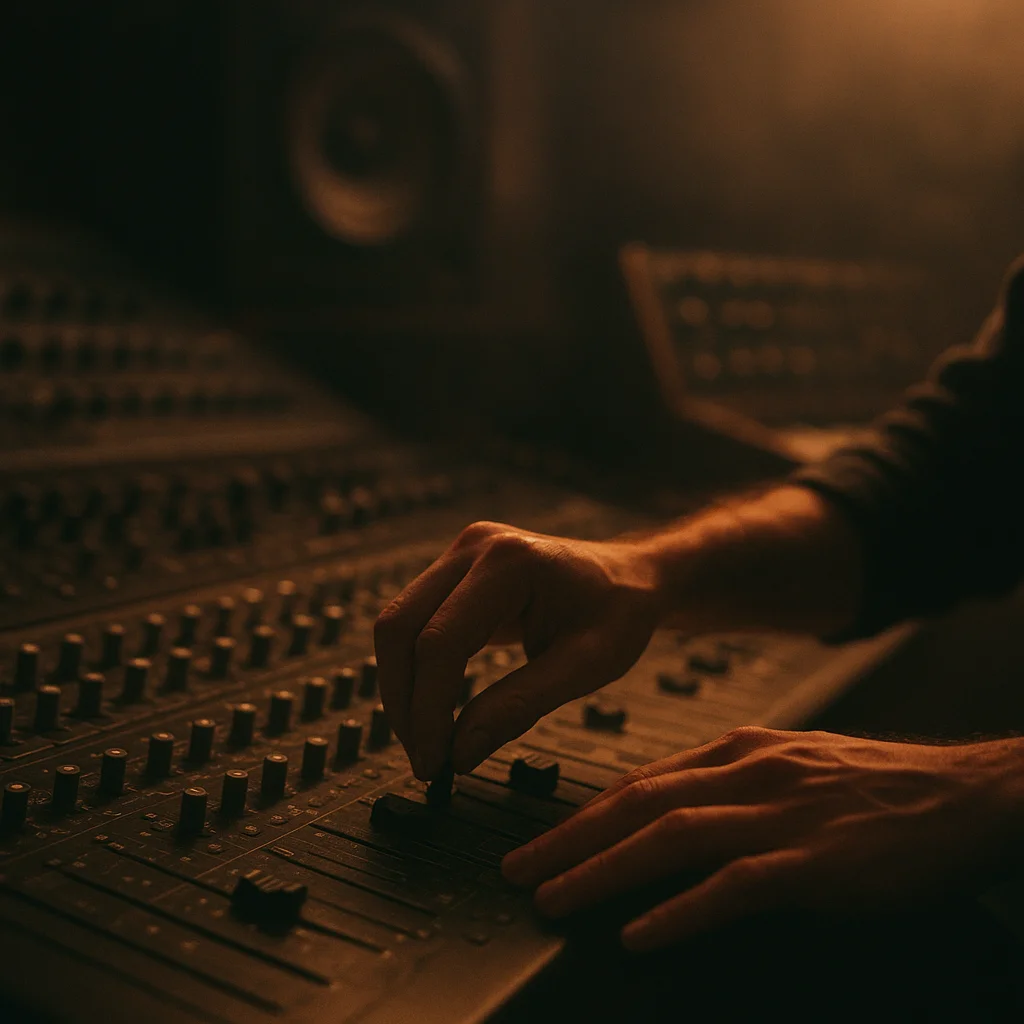
Starting Off: Why Music Production Feels Overwhelming
Music production is one of those fields that looks simple from afar but quickly becomes a labyrinth of gear, software, jargon, and workflow quirks once you get close. Beginners often find themselves drowning in choices before even pressing a single key or hitting record. Three glaring frustrations stand out: complicated Digital Audio Workstations (DAWs) with clunky interfaces, an overwhelming flood of plugin options promising magic, and the persistent myth that you must spend thousands on gear to create decent music. Yet, once you push past this initial chaos, the process reveals itself as both deeply creative and accessible.
Imagine sitting in a small room with just a laptop and headphones, and in a few hours, crafting a beat that could rival a studio-produced track. That’s the reality for many emerging producers today. But it requires understanding the core tools and techniques first. This article breaks down music production for beginners into manageable parts, revealing how to start smart, avoid common pitfalls, and build a solid foundation.
“Music production is less about the gear and more about the workflow and creativity. Master the basics, the rest will follow.” — Industry veteran insight
History and Evolution: How We Got Here
Music production as a craft has exploded since the late 20th century. Before the digital revolution, recording music required expensive, bulky analog equipment and studios only accessible to professionals. The 1980s introduced the first affordable synthesizers and drum machines, democratizing sound creation. The 1990s and early 2000s brought Digital Audio Workstations like Pro Tools, Cubase, and Ableton Live, putting powerful production tools on personal computers.
Today, anyone with a laptop can download a DAW, a few plugins, and start producing music without leaving their bedroom. This shift has empowered independent artists and bedroom producers globally, reshaping the music industry. According to Statista, the global music production software market exceeded $1.5 billion in 2025, with a growing share coming from beginner-friendly DAWs and educational platforms. The rise of platforms like YouTube and TikTok further fuels demand for home-produced music.
Despite this accessibility, beginners still face a steep learning curve. The multitude of options can paralyze decision-making, leading many to quit early. Understanding how music production tools evolved clarifies why modern software is both powerful and, paradoxically, complicated. The key is to start with simplified, tailored setups before diving into advanced features.
Core Tools and Workflow: What Every Beginner Must Know
Getting started in music production boils down to three essentials: a Digital Audio Workstation (DAW), an audio interface or soundcard, and some form of input like a MIDI keyboard or microphone. Here is a breakdown:
- DAW: This is the software where all the magic happens. Popular beginner-friendly DAWs include FL Studio, Ableton Live Intro, and GarageBand (Mac only). Each has a different workflow — FL Studio is pattern-based, ideal for hip-hop and EDM; Ableton Live excels in live performance and loop-based creation; GarageBand offers a simplified introduction with preloaded sounds.
- Audio Interface: Converts analog signals to digital and vice versa. It’s essential if recording vocals or instruments. Brands like Focusrite Scarlett and PreSonus AudioBox offer affordable, quality options for beginners.
- Input Devices: MIDI keyboards allow you to play virtual instruments; microphones capture vocals or acoustic instruments. Even a simple USB microphone can suffice initially.
Understanding the basic workflow helps prevent frustration:
- Setup: Connect your audio interface and input devices to your computer.
- Create Tracks: Open your DAW, create MIDI or audio tracks.
- Compose or Record: Use MIDI keyboards or program beats within the DAW’s piano roll, or record vocals/instruments.
- Mixing: Adjust volume levels, add effects like reverb or EQ.
- Export: Render the final mix to an audio file for sharing or streaming.
One of the biggest beginner mistakes is trying to master all steps simultaneously. Focus first on learning your DAW’s basic functions and how to arrange sounds. The software’s manual and tutorial videos are invaluable. For a detailed guide on DAW options, Froodl’s article on independent artists discusses popular setups in 2026.
“The best DAW is the one you actually finish tracks in. Don’t get stuck chasing the perfect tool.” — Producer advice from a top educator
Current Developments in 2026: AI and Accessibility Shaping Music Production
The biggest shakeup in music production recently is the integration of artificial intelligence tools. In 2026, AI-driven plugins and assistants help beginners by suggesting chord progressions, generating drum patterns, or even mixing tracks automatically. Companies like LANDR and iZotope have honed AI mastering services that rival human engineers.
AI also powers “auto-tune” and vocal tuning plugins that are more transparent and natural sounding than before. This technology lowers the barrier for newcomers who lack formal training in music theory or engineering. However, there’s debate over whether AI risks homogenizing music or diminishing the craft’s artistry.
Additionally, cloud-based DAWs are gaining traction, allowing producers to collaborate remotely and save projects online without heavy hardware. This trend accelerates accessibility, especially in regions with less access to physical studios.
Meanwhile, hardware manufacturers are focusing on portability and cost-efficiency. Compact MIDI controllers with integrated displays and touch-sensitive pads, like those from Novation and Akai, are designed specifically for beginners. This hardware-software synergy streamlines the workflow, making music production less daunting.
Froodl’s guide on music licensing highlights how independent producers also navigate distribution and royalties in this evolving landscape, a critical part of turning production from hobby to career.
Expert Tips: What Industry Professionals Recommend for Beginners
When consulting producers and educators, a few common threads emerge on how beginners should approach music production:
- Start Small: Use minimal gear and simple DAWs to avoid overwhelm.
- Learn Music Theory Basics: Understanding scales, chords, and rhythm helps create more compelling music.
- Practice Sound Design: Experiment with synthesizers and effects to develop a unique sonic palette.
- Focus on Arrangement: Structure songs with clear intros, verses, choruses to maintain listener interest.
- Seek Feedback: Share early work with communities or mentors for constructive critique.
According to a leading music producer interviewed recently, “Technical skills alone won’t make you a great producer. Patience, critical listening, and consistent practice are the real game changers. Beginners must embrace making mistakes.”
Investing in online courses or joining local workshops also helps, but beware of overpriced or overly technical programs that skip foundational concepts. The key is a balance of guided learning and hands-on experimentation.
Looking Ahead: Future Trends and How Beginners Can Prepare
What’s next for music production beginners? The future points toward even more intuitive tools powered by AI, virtual reality studios for immersive creation, and blockchain-enabled platforms for transparent royalty distribution. But the fundamentals remain crucial.
Beginners should prioritize building a versatile skill set adaptable to new technology. Developing an ear for mixing, learning basic coding for custom plugins, or understanding music business fundamentals will provide an advantage. The industry increasingly values producers who combine creativity with technical and entrepreneurial savvy.
Also, community and collaboration will grow in importance. Online platforms enabling remote co-production and instant feedback loops are becoming standard. Networking with other producers, vocalists, and instrumentalists will accelerate growth.
In sum, the beginner who invests time to master the basics, remain curious about emerging tech, and foster connections stands the best chance to break through. Music production is no longer the privileged domain of studios. It is an open field waiting for fresh voices willing to learn and experiment.
“The future of music production belongs to those who combine heart with technology, and who dare to innovate on the edges of sound.” — Visionary producer
Beginners interested in a broader perspective on the music industry’s shifts might find Froodl’s analysis of independent artists particularly insightful.
0 comments
Log in to leave a comment.
Be the first to comment.