
Memecoin Investing Risks: What Every Crypto Enthusiast Should Know

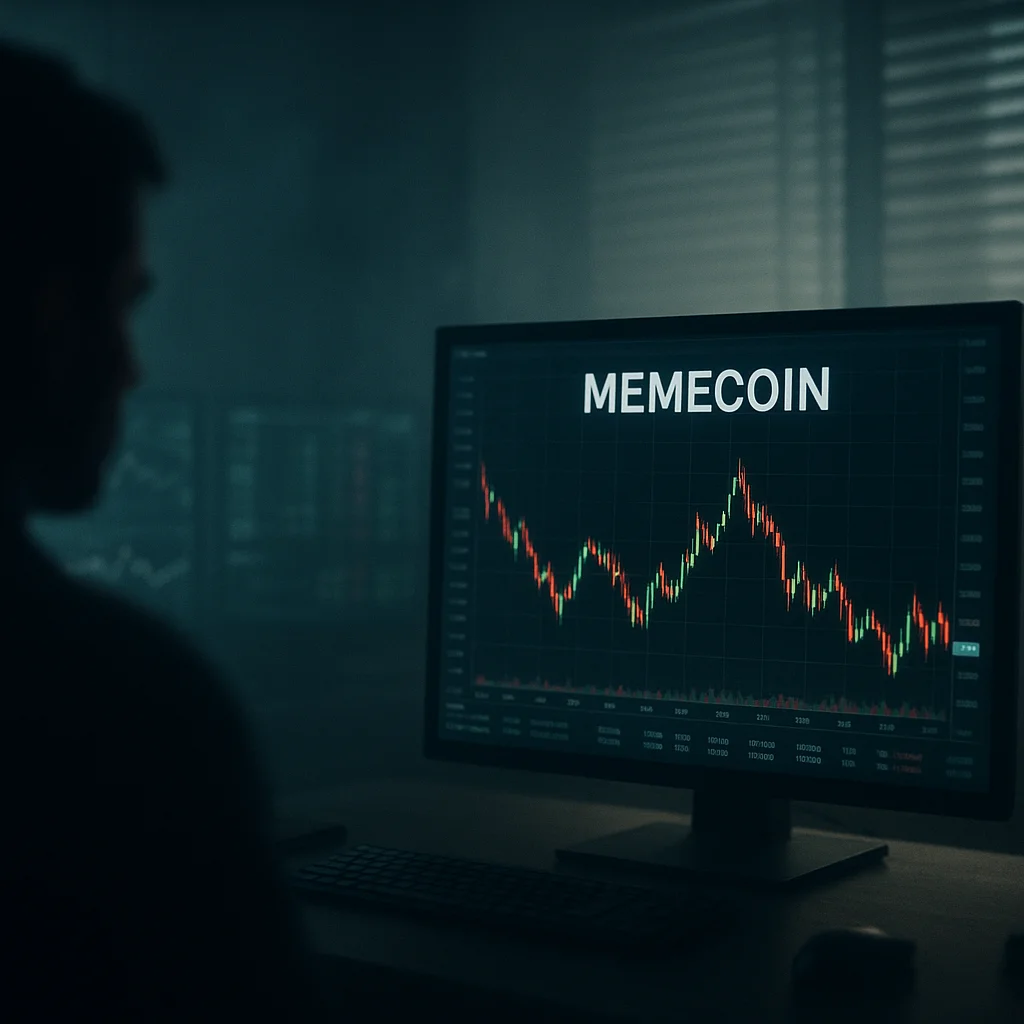
Introduction: The Allure and Peril of Memecoins
Picture this: a cryptocurrency inspired by a dog meme surges from near-zero to a valuation approaching billions of dollars within months. The frenzy around memecoins like Dogecoin or Shiba Inu has been one of the most visible phenomena in the crypto world since 2021. Yet, beneath the hype lies a volatile market riddled with risks few casual investors fully grasp. As of 2026, memecoin investing remains a high-stakes gamble, attracting both speculative traders and long-term enthusiasts. This article cuts through the noise to unpack the dangers inherent in memecoin investing, drawing on recent market data, regulatory developments, and expert insights.
“Memecoins epitomize the intersection of social media-driven speculation and decentralized finance — the risk profile is unlike any traditional asset class.” – Crypto analyst Dr. Lina Moreno
Background: How Memecoins Became a Crypto Phenomenon
The memecoin wave began with Dogecoin’s launch in 2013, initially created as a joke based on the Doge internet meme. It was a lighthearted alternative to Bitcoin, lacking a serious technical roadmap or developer backing. Despite this, Dogecoin found a community-driven niche, embraced for tipping and charitable causes.
The true explosion came in 2020–2021, fueled by social media platforms like Reddit and Twitter, plus celebrity endorsements from figures such as Elon Musk. New memecoins like Shiba Inu, SafeMoon, and others capitalized on this viral momentum, often boasting sky-high returns within weeks of launch.
While traditional cryptocurrencies generally emphasize utility, governance, or technological innovation, memecoins thrive on hype, community sentiment, and viral marketing. This dynamic has attracted many inexperienced investors chasing quick gains without fully understanding the underlying mechanics or risks.
For a deeper dive into the origins and evolution of memecoins, see Memecoin Investing Risks: What You Absolutely Need to Know.
Core Risks: Volatility, Manipulation, and Lack of Fundamentals
Memecoin markets are notorious for extreme volatility. Price swings of 50% or more in a single day are common, driven more by social media trends than fundamentals. According to 2025 market data aggregated by CoinMetrics, average daily volatility of top memecoins remains more than double that of major cryptocurrencies like Ethereum or Bitcoin.
Key risks include:
- Market Manipulation: Pump-and-dump schemes are prevalent. Groups coordinate on platforms such as Discord or Telegram to artificially inflate prices before dumping tokens on unsuspecting investors.
- Limited Use Case: Most memecoins lack intrinsic utility or adoption. Their value depends almost entirely on speculative demand.
- Tokenomics Risks: Many memecoins have inflationary supply models or poorly defined token distribution, increasing the likelihood of dilution and price crashes.
- Liquidity Concerns: Shallow order books on decentralized exchanges can exacerbate price swings and make exiting positions difficult.
- Regulatory Uncertainty: Authorities remain cautious about memecoins, with potential crackdowns on misleading marketing or unregistered securities offerings.
“Investors often overlook that memecoins have no underlying cash flows or assets backing their value. They are pure speculative instruments, akin to digital collectibles.” – Sarah Kim, blockchain strategist
Comparing memecoin volatility and liquidity to mainstream cryptocurrencies reveals stark differences. For example, Dogecoin’s market cap fluctuated from $8 billion to under $2 billion multiple times in 2025 alone, while Bitcoin’s swings were comparatively muted. This magnifies risk exposure for memecoin holders.
For a more technical breakdown of volatility and market dynamics, visit Memecoin Investing Risks: Navigating Hype, Volatility, and Scams.
Current Developments in 2026: Regulation and Market Maturation
The memecoin landscape in 2026 is evolving under growing regulatory scrutiny and market maturation. Several jurisdictions have introduced clearer guidelines for meme-based tokens, particularly focused on investor protection against pump-and-dump and fraudulent schemes.
Key developments include:
- Stricter Marketing Rules: The U.S. Securities and Exchange Commission (SEC) and European regulators now require memecoin projects to disclose risks and prohibit misleading celebrity endorsements without disclaimers.
- Exchange Delistings: Major centralized exchanges have removed several memecoins failing to meet liquidity or compliance standards.
- Smart Contract Audits: There is increased emphasis on third-party code audits to reduce vulnerabilities and rug pulls.
- Decentralized Finance (DeFi) Integration: Some memecoins have started integrating with DeFi protocols, offering staking or liquidity mining, adding layers of complexity and risk.
- Community Governance: Projects like Shiba Inu have expanded governance tokens, but these mechanisms remain largely experimental and unproven.
Despite these moves, memecoin markets remain highly speculative. The SEC’s 2026 report on crypto market integrity noted that memecoins still account for a disproportionate share of retail investor losses.
“Regulation is catching up, but memecoin hype cycles continue to test the boundaries of investor protection frameworks.” – Regulatory analyst James O’Connor
Case Studies: Lessons From Memecoin Booms and Busts
Examining real-world examples offers clarity on the risks. Consider Dogecoin’s 2021 surge, which saw its price rise from under $0.01 to nearly $0.75 within months, driven by viral hype and celebrity tweets. However, by mid-2022, Dogecoin lost over 80% of its value as speculative excitement faded and broader crypto markets corrected.
Similarly, SafeMoon, launched in 2021, promised high-yield reflections for holders. Despite initial hype and a peak market cap of $6 billion, the token suffered from liquidity lockups, anonymous developers, and accusations of pump-and-dump tactics. By late 2023, SafeMoon’s price collapsed by more than 95%, leaving many retail investors with heavy losses.
These cases illustrate critical pitfalls:
- Hype-Driven Price Spikes: Prices often detach from any rational valuation or use case.
- Developer Transparency: Anonymous teams increase the risk of exit scams or abandoned projects.
- Liquidity Risks: Illiquid markets can trap investors in unfavorable positions.
- Community Fragility: Memecoin communities can dissolve quickly when prices drop, removing social support.
For investors, these cautionary tales underscore the importance of research, skepticism, and risk management.
Expert Perspectives and Industry Impact
Industry experts remain divided on memecoin investing. Some view memecoins as a necessary experimental frontier in decentralized finance, fostering community engagement and novel tokenomics. Others warn they are speculative bubbles with limited long-term prospects.
Michael Chen, CEO of blockchain analytics firm ChainInsights, notes:
“Memecoins reveal how social dynamics and behavioral economics influence crypto markets. They are less about technology and more about psychology.”
At the same time, memecoins have impacted the broader crypto ecosystem. They have accelerated the development of decentralized exchanges, community governance models, and new marketing strategies. However, they have also attracted negative press and regulatory scrutiny, complicating mainstream adoption for the entire sector.
Institutional investors generally avoid memecoins due to high risk and volatility. Nonetheless, some hedge funds deploy quantitative models to capitalize on short-term memecoin price swings, though this requires sophisticated risk controls.
Understanding memecoin risks is essential for anyone engaged in crypto markets, particularly those drawn by viral hype. For guidance on managing these risks, see Froodl’s related analysis Memecoin Investing Risks: What Every Crypto Enthusiast Should Know.
What to Watch: Navigating the Future of Memecoin Investing
Looking ahead, several factors will shape memecoin investing risks and opportunities:
- Regulatory Clarity: Continued regulatory developments may impose stricter compliance requirements, potentially reducing scams but also limiting innovation.
- Technological Innovation: New token standards or integrations with AI and Web3 may add utility but also complexity and vulnerability.
- Market Maturation: As the crypto market matures, memecoins may either evolve into more sustainable projects or fade as novelties.
- Investor Education: Better awareness and tools for risk assessment could reduce retail investor losses.
- Social Media Evolution: The role of viral trends in memecoin price movements will persist but may be moderated by platform policies.
Investors should adopt disciplined strategies:
- Conduct thorough due diligence on tokenomics, developer credentials, and community activity.
- Use stop-loss orders and avoid overexposure to avoid catastrophic losses.
- Stay updated on regulatory news and market trends.
- Consider memecoin investments only as a small part of a diversified portfolio.
“Memecoin investing demands vigilance and skepticism. The upside is tantalizing, but the downside can be devastating.” – veteran trader Anya Patel
Memecoin investing is not for the faint-hearted. Its risks are multifaceted and evolving. The best defense is knowledge, caution, and a clear understanding of one’s risk tolerance.
0 comments
Log in to leave a comment.
Be the first to comment.