
Managing Toddler Tantrums: Expert Strategies That Truly Work

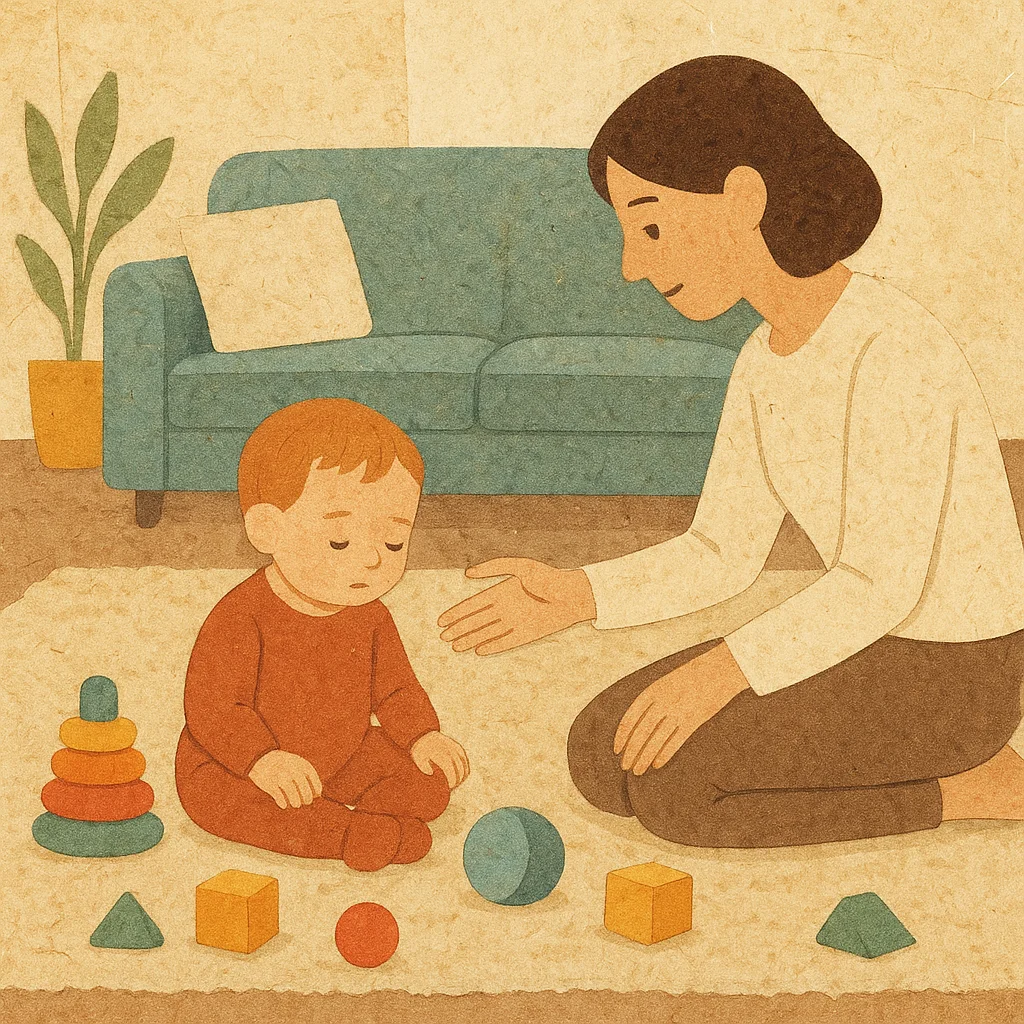
When the Storm Breaks: A Toddler Tantrum Scene
Picture this: a bustling Mumbai street, the late afternoon sun casting long shadows, and amidst the chaos, a toddler throws a tantrum in the middle of a supermarket aisle. Screaming, kicking, tears streaming — a spectacle that’s all too familiar for parents worldwide. The toddler’s face is flushed with frustration, while the parents’ expressions exhibit exhaustion mixed with a hint of helplessness. This scene isn’t just about a child’s irrational outburst; it’s a microcosm of a deeper developmental and emotional process. Tantrums, often dismissed as mere bad behavior, are actually a toddler’s raw attempt to communicate intense feelings when words fail.
What’s maddening about tantrums is that they often erupt unpredictably and last long enough to test even the most patient parent. But beneath the cacophony lies a complex interplay of neurological, emotional, and environmental factors. According to child development specialist Dr. Anjali Mehta, “Understanding why a tantrum occurs is the first step towards managing it effectively.”
“A toddler’s tantrum is less about defiance and more about an overwhelming emotional experience they cannot yet regulate.” – Dr. Anjali Mehta, Pediatric Psychologist
Before diving into strategies, it’s crucial to acknowledge what tantrums represent: a toddler’s struggle with self-regulation during a critical developmental phase. This understanding reframes tantrums not as parental failure but as natural, albeit challenging, milestones.
Background and Context: Why Tantrums Are Inevitable
Toddler tantrums are not a new phenomenon, but their interpretation and management have evolved drastically over the decades. Historically, many cultures treated tantrums as discipline issues needing strict correction. Contemporary developmental psychology, however, views tantrums through the lens of emotional growth and neurological development.
Between ages one and four, toddlers experience rapid brain development, particularly in areas governing impulse control, language, and emotional regulation. Their limited vocabulary exacerbates frustration when needs or feelings cannot be expressed clearly. This neurological immaturity is a primary cause of tantrums.
Research from the National Institute of Child Health and Human Development shows that tantrums peak around 18 to 36 months, coinciding with toddlers’ increasing desire for autonomy yet limited cognitive skills to manage disappointment. The famous "terrible twos" label isn’t an exaggeration but a reflection of this developmental paradox. The toddler year is a battleground between burgeoning independence and the need for parental guidance.
“Early childhood tantrums are a natural, predictable developmental phase that signals emotional growth, not misbehavior.” – Dr. Sarah L. Friedman, Child Development Expert
Parenting approaches have correspondingly shifted from punitive to empathetic. While discipline remains important, modern strategies emphasize understanding triggers, validating emotions, and teaching coping skills. This shift aligns with findings that harsh punishment can exacerbate tantrums, whereas nurturing responses help toddlers develop self-regulation.
The increasing demands of urban parenting in 2026—busy schedules, digital distractions, and societal pressures—have introduced new challenges. Parents often find themselves juggling work-from-home demands while managing toddler tantrums, which can intensify stress. This context makes effective tantrum management more crucial than ever.
Core Analysis: The Anatomy of Toddler Tantrums and Data-Driven Insights
To tackle tantrums intelligently, one must dissect their anatomy. Tantrums typically unfold in three stages: onset, escalation, and resolution. Each stage presents unique opportunities for intervention.
- Onset: A trigger event — denial of a toy, hunger, fatigue, or overstimulation.
- Escalation: The toddler’s emotional outburst intensifies, marked by crying, screaming, and physical behavior like kicking or hitting.
- Resolution: The tantrum subsides spontaneously or through parental intervention.
Data from a 2025 study by the Global Parenting Institute reveals that parents who respond with calm reassurance during the onset phase reduce tantrum duration by up to 40%. Conversely, reactive responses such as shouting or punishment prolong tantrums by an average of 25%.
Other key findings from this study include:
- Consistency: Children whose caregivers maintain consistent rules and routines experience fewer tantrums overall.
- Sleep: Toddlers with irregular sleep patterns have 30% more tantrums, underscoring the role of rest in emotional regulation.
- Communication: Early introduction of sign language or enhanced verbal skills reduces tantrum frequency by improving expression.
Neurologically, tantrums are linked to the development of the prefrontal cortex, which governs executive functions like impulse control. According to a 2026 meta-analysis in the Journal of Pediatric Neuroscience, toddlers with advanced language acquisition skills show quicker recovery from tantrums, indicating that language development is a protective factor.
Interestingly, cultural differences influence tantrum patterns and parental responses. In collectivist societies like India, parents often emphasize social harmony and may use distraction or redirection more than direct confrontation. Western cultures, valuing independence, might focus on teaching self-soothing techniques. Both approaches have merits and drawbacks, and hybrid models are emerging.
For parents seeking practical help, Froodl offers insightful resources such as Managing Toddler Tantrums: Strategies That Actually Work and Mastering Toddler Tantrums: Practical Insights for Parents, which provide evidence-backed methods tailored to diverse family needs.
Current Developments in 2026: Technology, Research, and Parenting Tools
The year 2026 marks a fascinating intersection of traditional parenting wisdom and cutting-edge technology aimed at supporting parents through toddler tantrums. Several notable advances have emerged recently.
1. AI-Powered Parenting Assistants: Apps equipped with AI analyze a toddler’s behavior patterns and suggest tailored interventions. For example, the popular app "CalmTot" uses machine learning to detect early signs of tantrum triggers through audio and video monitoring, alerting parents to intervene preemptively.
2. Wearable Emotional Sensors: New smart wearables for toddlers monitor physiological indicators such as heart rate variability and skin conductance, providing real-time data on stress levels. This technology helps parents recognize rising agitation before a tantrum escalates.
3. Virtual Reality (VR) Training for Parents: VR modules simulate tantrum scenarios, allowing parents to practice calm and effective responses in a controlled environment. Early trials demonstrate improved parental confidence and reduced tantrum severity after VR training.
4. Integration with Pediatric Healthcare: Pediatricians now routinely use digital tools to assess emotional development during checkups, enabling early identification of toddlers at risk for frequent or severe tantrums. Intervention programs combining behavioral therapy and parental coaching are increasingly accessible.
These innovations complement longstanding research emphasizing the importance of routine, sleep hygiene, and emotional coaching. A 2026 survey by the Parenting Research Council indicates that 65% of parents who used tech-assisted tantrum management reported feeling less stressed and more in control.
However, experts caution against overreliance on technology. Dr. Mehta warns, “Technology should enhance, not replace, the human connection that is vital during a toddler’s emotional upheaval.”
Expert Perspectives: What Leading Child Psychologists Recommend
Leading voices in child psychology agree on core principles but diverge on nuances of implementation. Dr. Sarah Friedman emphasizes empathy over discipline: “The toddler brain is still wiring emotional circuits. Responding to tantrums with patience teaches regulation better than punishment.”
Meanwhile, behavioral specialist Dr. Rajiv Kumar advocates a structured yet flexible approach. “Clear boundaries combined with validation create a safe environment where toddlers learn limits without feeling dismissed.”
Here are some expert-endorsed tactics for managing tantrums effectively:
- Validate feelings: Acknowledge the toddler’s frustration verbally, e.g., “I see you’re upset because you want the toy.”
- Maintain calm: Regulate your own emotions to model self-control.
- Use distraction: Redirect attention to a different activity when appropriate.
- Establish routines: Predictability reduces anxiety and tantrum triggers.
- Teach coping skills: Encourage simple breathing exercises or counting to calm down.
These recommendations align with findings from Froodl’s Managing Toddler Tantrums: Understanding and Soothing Early Childhood Storms, which stresses the importance of parental self-care and consistent emotional support.
“Parents who practice self-compassion and model emotional regulation equip their toddlers with lifelong skills.” – Dr. Rajiv Kumar, Behavioral Specialist
Looking Ahead: Future Outlook and Actionable Takeaways
What does the future hold for managing toddler tantrums? The trajectory points toward increasingly personalized, data-informed parenting strategies integrated with traditional empathy-based approaches.
Parents and caregivers should prepare for a landscape where technology assists but does not supplant human intuition. Emerging research suggests that combining AI insights with mindfulness and emotional coaching yields the best outcomes.
Here are actionable takeaways for parents navigating toddler tantrums in 2026 and beyond:
- Prioritize routine and sleep: Establish consistent schedules to reduce tantrum triggers.
- Build communication skills early: Use words, sign language, or visuals to help toddlers express emotions.
- Leverage technology judiciously: Use apps and wearables as tools, not crutches.
- Practice calm and validation: Model emotional regulation and acknowledge feelings.
- Seek support: Don’t hesitate to consult pediatric psychologists or parenting coaches when tantrums become overwhelming.
Parenting is inherently challenging, and toddler tantrums are among its toughest tests. Yet, with the right knowledge and tools, parents can transform these emotional storms into opportunities for growth and connection. As Dr. Mehta aptly concludes, “Tantrums aren’t just crises to survive; they’re invitations to understand and nurture the emerging self.”
For those looking to deepen their toolkit, Froodl’s extensive resources such as Managing Toddler Tantrums: Strategies That Actually Work and Mastering Toddler Tantrums: Practical Insights for Parents offer research-backed guidance and real-world advice to turn tantrums from parental dread into manageable moments.
0 comments
Log in to leave a comment.
Be the first to comment.