
Managing Complex Care at Home: When Professional Nursing Support Becomes Important

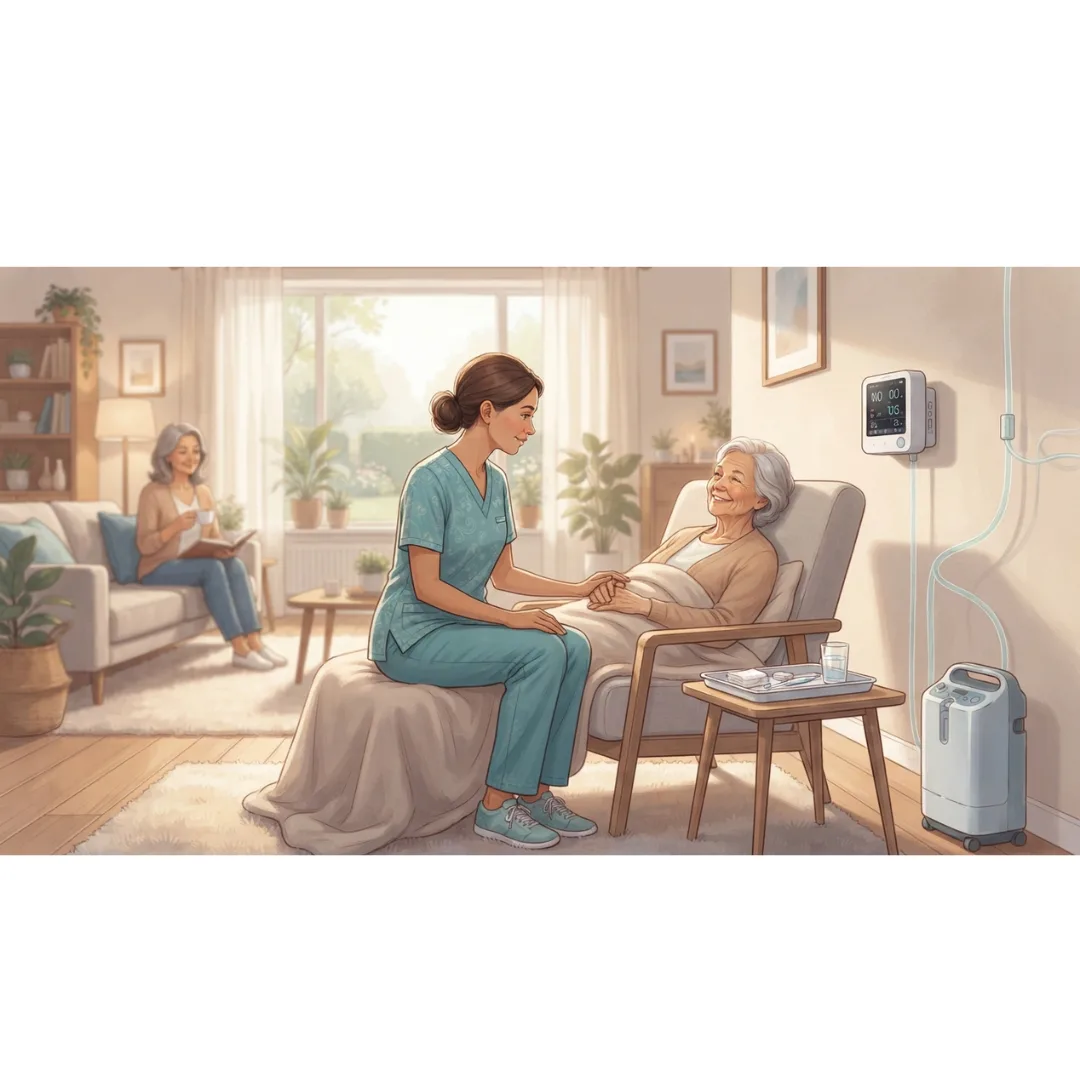
When a patient’s care involves regular medical monitoring, medication administration, wound management, mobility support, feeding tubes, catheters, respiratory assistance, or recovery after major surgery, family support alone may no longer be enough. This is when professional Nursing Care at Home becomes important.
Home nursing is not simply about having someone present with the patient. It involves trained healthcare professionals who can follow medical instructions, monitor changes in health, support prescribed treatments, and report concerns to family members or doctors.
For families managing elderly care, chronic illness, post operative recovery, or long term medical conditions, professional nursing can provide practical support while allowing the patient to remain in familiar surroundings.
When Does Care at Home Become More Complex?
A patient may initially need only help with meals, bathing, mobility, or medication reminders. Over time, their needs can become more medical.
For example, an older adult recovering from surgery may develop limited mobility and require wound dressing, medication administration, vital sign monitoring, and assistance with movement. Managing all these responsibilities alongside work and family commitments can become difficult for relatives.
Complex care may involve:
• Regular blood pressure, oxygen, temperature, or heart rate monitoring
• Medication administration according to medical instructions
• Wound dressing and post surgical care
• Catheter or feeding tube support
• Tracheostomy care
• Oxygen therapy and respiratory support
• Assistance for bedridden patients
• Chronic disease monitoring
• Support during rehabilitation and recovery
When several of these needs occur together, trained nursing support can make home based care more practical.
Why Family Care May Not Be Enough
Families often want to provide care themselves, but medical responsibilities can become difficult to manage without professional training.
A family member may be able to remind someone to take medication, but administering certain medicines or managing medical devices requires appropriate knowledge. Similarly, helping someone walk after surgery is different from providing safe mobility support to a patient who has significant weakness or balance problems.
There is also the issue of continuity.
A patient who needs monitoring throughout the day cannot always depend on relatives who have jobs, children, household responsibilities, or live in another city or country.
Professional support can fill this gap while family members continue to remain involved in important decisions.
Situations Where Professional Nursing Support Is Particularly Useful
Post Surgical Recovery
Recovery does not end when a patient leaves the hospital. The first few weeks at home can involve medication schedules, wound care, mobility restrictions, nutrition, and follow up appointments.
A trained nurse can assist with prescribed care and observe the patient for changes that may need medical attention.
This can be particularly useful after major surgery, when relatives are unsure about how much physical activity, wound care, or daily assistance is appropriate.
Chronic Health Conditions
Conditions such as diabetes, dementia, cancer, heart disease, and respiratory disorders may require regular observation and assistance.
The purpose of home nursing is not to replace the treating doctor. Instead, the nurse supports the care plan already established by the medical team and keeps the family informed about relevant changes.
Bedridden or Mobility Limited Patients
Patients who spend most of their time in bed need more than basic companionship.
They may require assistance with repositioning, hygiene, feeding, medication, skin care, and movement. Regular repositioning and appropriate personal care are also important for reducing discomfort and preventing avoidable complications.
Patients Requiring Medical Devices
Some patients return home with catheters, feeding tubes, oxygen equipment, tracheostomy tubes, or other medical devices.
These situations require greater attention to hygiene, handling, and observation. A trained professional can provide care according to the patient's prescribed requirements and identify issues that should be referred to the medical team.
What Professional Nursing Support Can Include
The exact services depend on the patient's condition and the instructions provided by their doctor.
Common areas of support include:
• Monitoring vital signs
• Administering prescribed medication
• Wound and dressing care
• Catheter and feeding tube care
• Assistance with bathing, feeding, and mobility
• Respiratory support
• Post operative monitoring
• Support for elderly patients with chronic conditions
• Assistance with rehabilitation routines prescribed by healthcare professionals
• Communication with family members about relevant changes in the patient's condition
Pranyaas, for example, provides home nursing support in Mumbai and Pune, with services covering post operative care, chronic disease management, vital monitoring, respiratory support, catheter and feeding tube care, and other nursing requirements.
How Families Should Assess the Level of Care Required
Before arranging a nurse, families should first understand what the patient actually needs.
A useful starting point is to discuss these questions with the treating doctor:
• Does the patient require medical monitoring at home?
• Are medicines required at specific times?
• Does the patient need wound dressing?
• Are there medical devices that require regular care?
• Can the patient safely walk, bathe, eat, and use the toilet without assistance?
• Does someone need to remain available overnight?
• What symptoms should prompt immediate medical attention?
The answers help determine whether the family needs a caregiver, a trained nurse, or additional medical services.
Choosing the Right Home Nursing Provider
Not every home care requirement is the same, so families should look beyond availability and pricing.
Ask about the nurse’s qualifications, experience with the patient’s condition, background verification, supervision, replacement arrangements, and communication process.
It is also useful to understand whether the provider offers short term, daily, weekly, or longer care arrangements. Pranyaas states that it provides flexible care options and operates across Mumbai, Navi Mumbai, Thane, Kalyan Dombivli, and Pune.
Families should also clarify exactly what is included in the service. A written care plan can prevent confusion about responsibilities between the nurse, family, doctor, and care provider.
Nursing Care at Home and Family Involvement
Professional nursing does not mean that families need to step away from the patient's care.
In fact, the best home care arrangements usually involve cooperation between the patient, family, nurse, and medical team.
The nurse handles appropriate day to day clinical responsibilities, while family members remain involved in emotional support, important decisions, appointments, and communication with doctors.
For families living away from their parents, this arrangement can also provide a practical way to stay informed while having someone locally available to support the patient.
When Home Care May Not Be Appropriate
Home care has limits.
A patient experiencing severe breathing difficulty, chest pain, loss of consciousness, major bleeding, suspected stroke, serious injury, or another medical emergency may require immediate hospital treatment rather than routine home nursing.
Professional nursing at home should therefore be viewed as part of a patient's wider healthcare plan, not as a replacement for emergency medical treatment or hospital care when either is required.
Conclusion
Complex medical care at home can become difficult when a patient requires continuous supervision, medical procedures, regular monitoring, or assistance with several daily activities.
Nursing Care at Home can provide trained support for post surgical recovery, chronic conditions, mobility limitations, medical devices, and other ongoing healthcare needs. The right level of support depends on the patient's condition, doctor's instructions, and the family's ability to provide consistent care.
For families considering professional support, the practical first step is to assess the patient's medical and daily needs, discuss them with the treating doctor, and then choose a qualified home healthcare provider that can match the required level of nursing support.
Pranyaas provides home based nursing and healthcare assistance for families seeking professional support in familiar surroundings. Its services include nursing, elderly care, post surgical support, and other home healthcare assistance.
FAQs
Q.1 When Should a Patient Consider Nursing Care at Home?
A patient may need it when they require regular medical monitoring, medication administration, wound care, medical device support, post surgical assistance, or help with complex daily care.
Q.2 Can a Nurse Provide Post Surgical Care at Home?
Yes. Depending on the doctor's instructions, home nurses can assist with medication, wound care, mobility, vital monitoring, hygiene, and recovery related support.
Q.3 Is Home Nursing Suitable for Elderly Patients With Chronic Conditions?
Yes. Professional nursing can support older adults living with conditions such as diabetes, dementia, cancer, heart disease, or respiratory problems, depending on their individual care requirements.
Q.4 What Is the Difference Between a Caregiver and a Nurse?
A caregiver generally assists with daily activities such as bathing, feeding, mobility, companionship, and household support. A nurse has professional healthcare training and can perform appropriate nursing duties within their qualifications and the patient's care plan.
Q.5 Can Home Nursing Be Provided Overnight?
Yes. Some providers offer overnight or round the clock arrangements depending on the patient's needs and the selected care plan. Pranyaas states that it offers 24 hour nursing support.
Q.6 Can Professional Nursing Replace Hospital Treatment?
No. Home nursing supports patients who are medically suitable for care at home. Serious or life threatening emergencies require immediate medical evaluation and may require hospital treatment.
Q.7 How Do I Choose a Home Nursing Service?
Check the nurse's qualifications, relevant experience, background verification, supervision process, availability, care plan, communication system, and replacement policy before making a decision.
0 comments
Log in to leave a comment.
Be the first to comment.