
Inside the Real Estate Market Outlook: Trends and Insights for 2026

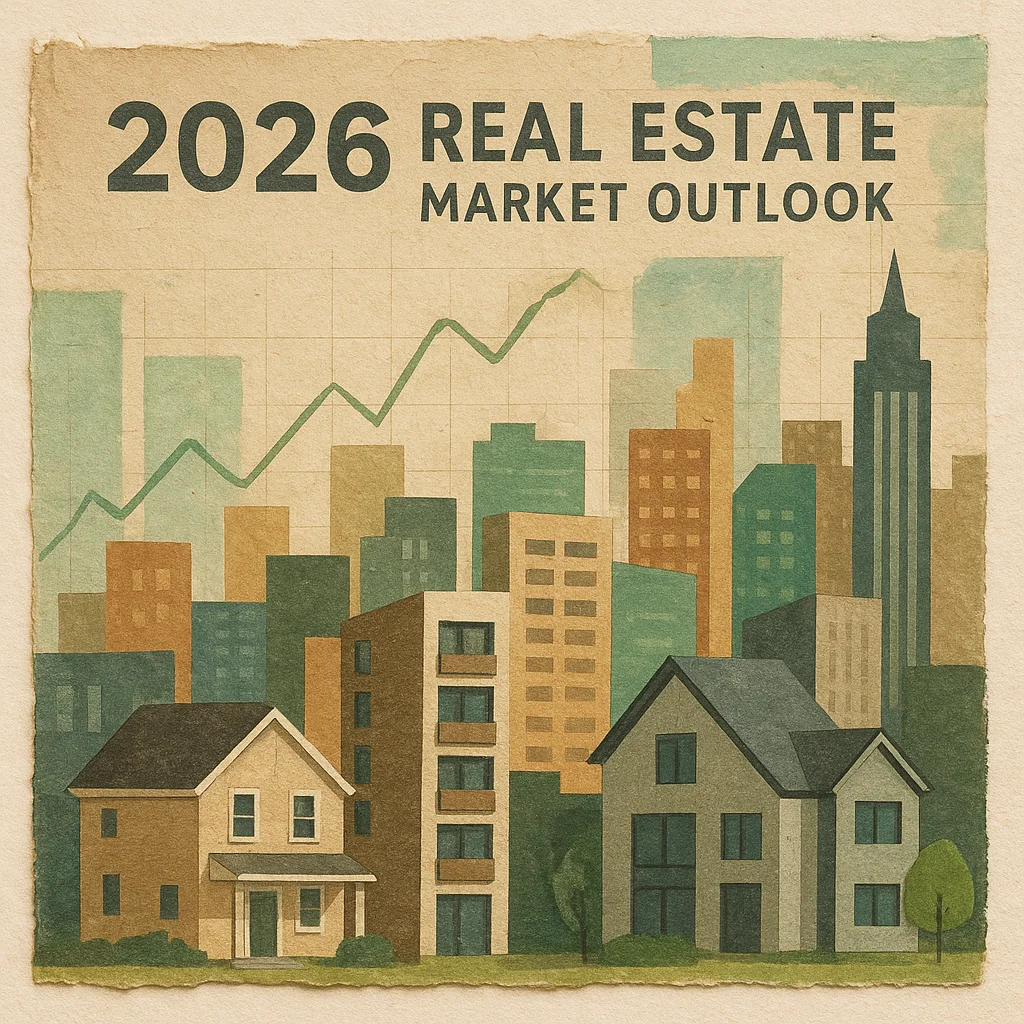
Peeking Through the Window: A Vivid Snapshot of Real Estate in Early 2026 🌆🏡
Imagine standing on a bustling city balcony in 2026, the hum of drones delivering packages nearby, and a skyline dotted with sleek, sustainable buildings glowing softly at dusk. The real estate market today is unlike the traditional scenes we've known. It’s a complex dance of technology, shifting demographics, and evolving buyer priorities. According to industry reports, global real estate transactions have seen a 12% increase compared to 2025, driven largely by emerging markets and digital innovations. 🌍✨
Yet, behind the gleaming glass towers and smart homes, significant challenges ripple — affordability concerns, climate change impact, and regulatory shifts. This article ventures inside the real estate market outlook for 2026, unpacking how these forces shape where and how we live, invest, and build community. 🌿🏢
“The real estate market in 2026 isn’t just about property anymore; it’s a reflection of societal values and technological possibilities.” — Market Analyst, Global Property Insights
Tracing the Path: How Did We Get Here? 🛤️📜
The real estate sector's trajectory to 2026 is a story of resilience and transformation. The global pandemic of the early 2020s reshaped residential and commercial demands profoundly. Remote work became mainstream, pushing many to seek homes in suburban and rural areas, while commercial real estate faced vacancies and repurposing challenges. By 2024, a slow but steady recovery took hold, bolstered by innovations in property technology and finance.
Meanwhile, urban centers began focusing on sustainability and smart infrastructure. Governments worldwide introduced stricter green building codes, incentivizing eco-friendly developments. The rise of digital ownership models started, with blockchain technology gaining traction for property transactions. This background sets the stage for the multifaceted landscape we observe now. 🌱📊
To understand this evolution, consider these pivotal developments in the last five years:
- Remote Work Migration: 40% increase in suburban housing demand since 2021.
- Green Building Initiatives: Over 60% of new developments meet or exceed environmental standards.
- Blockchain Adoption: Real estate tokenization platforms rose by 35%, enhancing liquidity.
These factors collectively redefined market dynamics, influencing supply, demand, and investment flows. For more on real estate tech innovations, see our detailed analysis on Real Estate Tokenization Platform Development and the Rise of Digital Real Estate Economies.
Unpacking the Numbers: Core Market Analysis With Fresh Data 📈💼
Zooming into 2026, the global real estate market is valued at an estimated $10.5 trillion, marking a 7% growth from 2025, per industry estimates. Residential properties comprise about 60% of this value, with commercial and industrial sectors making up the remainder. Key trends emerging include:
- Affordability Crunch: Median home prices in major cities have risen by 5-8% annually, outpacing wage growth in many regions.
- Technology Integration: Over 70% of property deals now involve digital contracts and AI-driven valuation tools.
- Investment Diversification: Real estate investment trusts (REITs) linked to sustainable properties have attracted $150 billion in new capital.
In markets like the United States and Europe, urban regeneration projects are gaining momentum, transforming old industrial zones into mixed-use communities with a focus on walkability and green spaces. Asia-Pacific markets, especially in cities like Singapore and Seoul, continue to innovate in housing affordability through modular construction and government subsidies.
Commercial real estate is adapting to hybrid work models, with flexible office spaces and co-living arrangements becoming prominent. Industrial real estate benefits from the growth of e-commerce, with warehouse spaces in strategic locations experiencing a 10% increase in rental rates.
“Data-driven insights are now at the heart of real estate investment decisions, allowing stakeholders to navigate volatility with greater confidence.” — Chief Economist, Urban Markets Research
Real Estate in 2026: Current Developments Shaping the Market 🔍🏘️
This year, several developments have captured attention. Foremost is the rise of sustainable urban living. Cities like Copenhagen and Vancouver are leading with net-zero carbon housing projects, supported by advances in solar materials and energy storage technology. Developers increasingly prioritize environmental impact alongside profitability. 🌞🌱
On the financial side, real estate tokenization has matured, enabling fractional ownership and opening markets to smaller investors. This democratization of property investment is a notable shift from traditional high-barrier entry points. Regulatory frameworks have adapted cautiously but progressively, balancing innovation with consumer protection. For deeper insight into tokenization impacts, check out What Makes Real Estate Tokenization a Game-Changer for Real Estate?.
Additionally, demographic trends influence housing demand. Millennials and Gen Z now dominate homebuying, with preferences leaning toward mixed-use developments that foster community and accessibility. The global aging population also drives demand for adaptable, accessible housing solutions.
- Policy Shifts: Tax incentives for green renovations increased by 25%.
- Consumer Behavior: 55% of buyers prioritize proximity to public transit.
- Technology Uptake: AI-based property management systems reduced vacancy rates by 8%.
Voices From the Field: Expert Perspectives and Industry Impact 💬🏢
Interviewing leading experts reveals optimism tinged with caution. Maria Chen, CEO of UrbanRise Developments, shares,
“Sustainability and technology are not just trends; they are foundational to future-proofing real estate investments. Investors who ignore these risk obsolescence.”Her view highlights how environmental responsibility increasingly drives both policy and market behavior.
Meanwhile, finance expert David Alvarado points out the ongoing challenges:
“Affordability remains a critical barrier. Without innovative financing and inclusive policies, large segments will remain excluded from homeownership.”His analysis underscores the need for systemic solutions beyond market forces.
These insights align with broader industry shifts. PropTech startups flourish, bringing AI, blockchain, and IoT into everyday transactions and property management. However, traditional players are adapting too, blending experience with innovation to stay relevant.
For a real-world example of trusted expertise in action, see the success story of Trusted Real Estate Company in Gurgaon — Drisha Estate, which balances local knowledge with modern practices.
Looking Ahead: What to Watch for in Real Estate’s Future 🔮🏙️
As we gaze forward, several factors will shape real estate's journey beyond 2026. Climate resilience will become non-negotiable, with flood-resistant and heat-adaptive building standards spreading. Smart cities will expand, integrating data analytics to optimize resource use and improve residents’ quality of life. 🌐🌳
Financially, expect further evolution in digital asset ownership, possibly merging real estate with metaverse platforms and virtual environments. This could redefine property value and user experience in unexpected ways.
Urban planning will continue shifting toward inclusivity and sustainability, with mixed-income housing and community-centric designs gaining priority. Governments and developers must collaborate closely to balance growth with social equity.
- Increased regulatory focus on transparency and data security in property transactions.
- Expansion of green financing options for homeowners and developers.
- Greater role of AI and automation in property maintenance and client services.
Staying informed and adaptable remains crucial for investors, homeowners, and professionals alike. The real estate market in 2026 is a vibrant mosaic of technology, human needs, and environmental stewardship.
For more on how emerging models are reshaping real estate, explore Real Estate Tokenization Development Models Changing Real Estate Forever.
🌟 In sum, the inside story of real estate in 2026 is one of transformation, challenge, and opportunity. Whether you’re a buyer, seller, investor, or enthusiast, the market’s pulse beats with innovation and a deepening sense of responsibility to the planet and communities we call home. 🏡💖
0 comments
Log in to leave a comment.
Be the first to comment.