
Huddle & Small Room Conference Solutions: Making Small Meetings More Productive

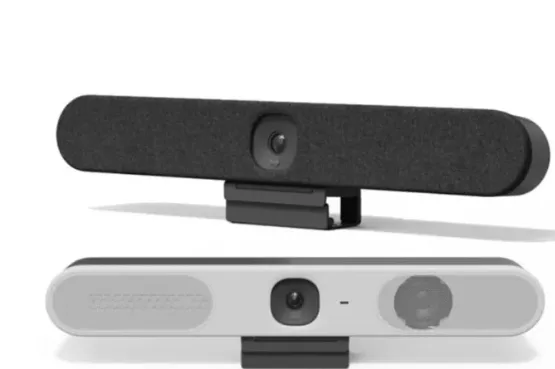
Modern workplaces do not always need a large conference room for effective communication. Many business discussions happen in small groups, quick team meetings, client calls, interviews, and one-to-one conversations. This is where a Huddle & Small Room Conference Solution can make a real difference.
Designed for compact meeting spaces, these solutions bring together cameras, microphones, speakers, displays, and collaboration tools in a simple setup. The goal is not to fill a small room with complicated technology, but to make meetings easier to start, clearer to communicate, and more comfortable for everyone involved.
What Is a Huddle &Amp; Small Room Conference Solution?
A huddle room is a small meeting space generally designed for a few people. It is often used for quick discussions, brainstorming sessions, remote collaboration, and informal meetings.
A Huddle & Small Room Conference Solution combines the essential audio and video equipment required for these meetings. Depending on the setup, it may include:
A high-quality conference camera
Built-in or external microphones
Speakers for clear audio
A professional display
Video conferencing software
Wireless or wired content sharing
USB connectivity
Touch or simple meeting controls
Instead of using separate devices for every function, an integrated solution can help create a cleaner and more convenient meeting environment.
Why Are Huddle Rooms Becoming Important?
The way businesses conduct meetings has changed significantly. Teams may be working from different offices, cities, or even countries. At the same time, not every discussion requires a traditional boardroom.
Small rooms provide a practical option for teams that need to connect quickly without booking a large conference room.
For example, a marketing team may use a huddle room to discuss a campaign with colleagues working remotely. A sales employee may use it for a client presentation. HR teams can use smaller spaces for interviews, while project teams can use them for regular progress meetings.
The right conference technology makes these conversations feel more natural.
Key Features to Look For
When selecting a conference solution for a huddle or small meeting room, businesses should focus on the features that directly improve the meeting experience.
1. Clear Video
Video quality is important when participants are joining remotely. A good conference camera should provide a clear image and work well under typical office lighting conditions.
Features such as wide-angle viewing can be particularly useful in small rooms because several people may sit close to the camera.
2. Better Audio Pickup
Poor audio can quickly make a meeting frustrating. Participants should be able to hear and understand each other without repeatedly asking someone to speak louder.
Microphones designed for conference environments can help capture voices more effectively, while speakers can provide clear audio from remote participants.
3. Easy Content Sharing
Meetings often involve more than face-to-face conversation. Employees may need to share presentations, documents, spreadsheets, websites, or videos.
A conference solution that supports simple content sharing can reduce interruptions and help participants focus on the discussion.
4. Simple Controls
Small meeting rooms are often used for short sessions, so employees should not have to spend several minutes figuring out how to start a meeting.
An intuitive interface, easy connectivity, and straightforward controls can make a significant difference. Ideally, users should be able to connect their device, start the meeting, and begin communicating with minimal setup.
5. Compatibility With Collaboration Platforms
Businesses commonly use video conferencing and collaboration platforms as part of their daily workflow. A suitable conference solution should work smoothly with the platforms used by the organization.
This can help employees join meetings without changing their normal working process.
Benefits for Modern Businesses
A well-designed huddle room can provide several practical benefits.
More Flexible Meetings
Small teams can meet whenever they need without relying on a large conference room. This creates more flexibility, particularly in offices where meeting spaces are limited.
Improved Remote Collaboration
Remote employees can participate in conversations with better audio and video. This helps reduce the communication gap between people working in the office and those joining virtually.
Better Use of Office Space
Not every meeting needs a large boardroom. Converting smaller spaces into technology-enabled meeting areas can help organizations make better use of their existing office space.
Faster Meeting Setup
Integrated conference equipment can reduce the time employees spend connecting different devices. This is especially useful for frequent meetings throughout the day.
Professional Communication
When businesses communicate with customers, partners, suppliers, or remote teams, clear audio and video can create a more professional experience.
Huddle Rooms vs. Traditional Conference Rooms
The main difference is the size and purpose of the space.
Traditional conference rooms are generally designed for larger groups and may include advanced displays, multiple cameras, room control systems, and larger audio setups.
Huddle rooms focus on small groups and quick collaboration. They usually require fewer devices and a simpler installation.
This does not mean huddle rooms are less capable. Instead, their technology is designed around the needs of smaller teams.
Where Can These Solutions Be Used?
Huddle and small room conference solutions can be useful across different industries and environments.
Corporate offices: For team discussions, project meetings, and internal collaboration.
Education: For small-group learning, remote lectures, and communication between teachers and external participants.
Healthcare: For remote consultations, administrative meetings, and specialist discussions where appropriate systems and privacy requirements are met.
Sales environments: For client presentations, product demonstrations, and remote discussions.
Startups and small businesses: For flexible meetings without investing in large meeting-room infrastructure.
Choosing the Right Solution
The best conference solution depends on the room, number of users, meeting frequency, and business requirements.
Before selecting equipment, organizations should consider:
How many people normally use the room?
What is the room layout?
Where will participants sit?
Is a display already available?
Which video conferencing platforms are used?
Is wireless content sharing required?
How important is microphone coverage?
Does the system need to connect with laptops?
Will the room require centralized management?
Is future expansion likely?
Answering these questions can help businesses avoid buying equipment that is either too basic for their needs or unnecessarily complex.
The Future of Small Meeting Spaces
As hybrid and flexible working continue to influence office design, small meeting spaces are becoming an important part of workplace communication.
The focus is shifting from simply installing technology to creating meeting spaces that are easy to use, reliable, and comfortable. Newer conference solutions are also increasingly designed around automation, intelligent camera features, better voice pickup, and simplified connectivity.
For businesses, this means a small meeting room can become much more than an unused office corner. With the right technology, it can become a productive space for collaboration, communication, and decision-making.
Conclusion
A Huddle & Small Room Conference Solution provides businesses with a practical way to support modern meetings without requiring a large conference room. By combining quality video, clear audio, content sharing, and simple controls, these solutions can make everyday collaboration more efficient.
For organizations looking to improve hybrid meetings, maximize office space, and give employees an easier way to connect with remote participants, investing in the right small-room conference setup can be a valuable step toward a more connected workplace.
0 comments
Log in to leave a comment.
Be the first to comment.