
How to Prepare Your Garage Door for Colorado's Heavy Snowfall

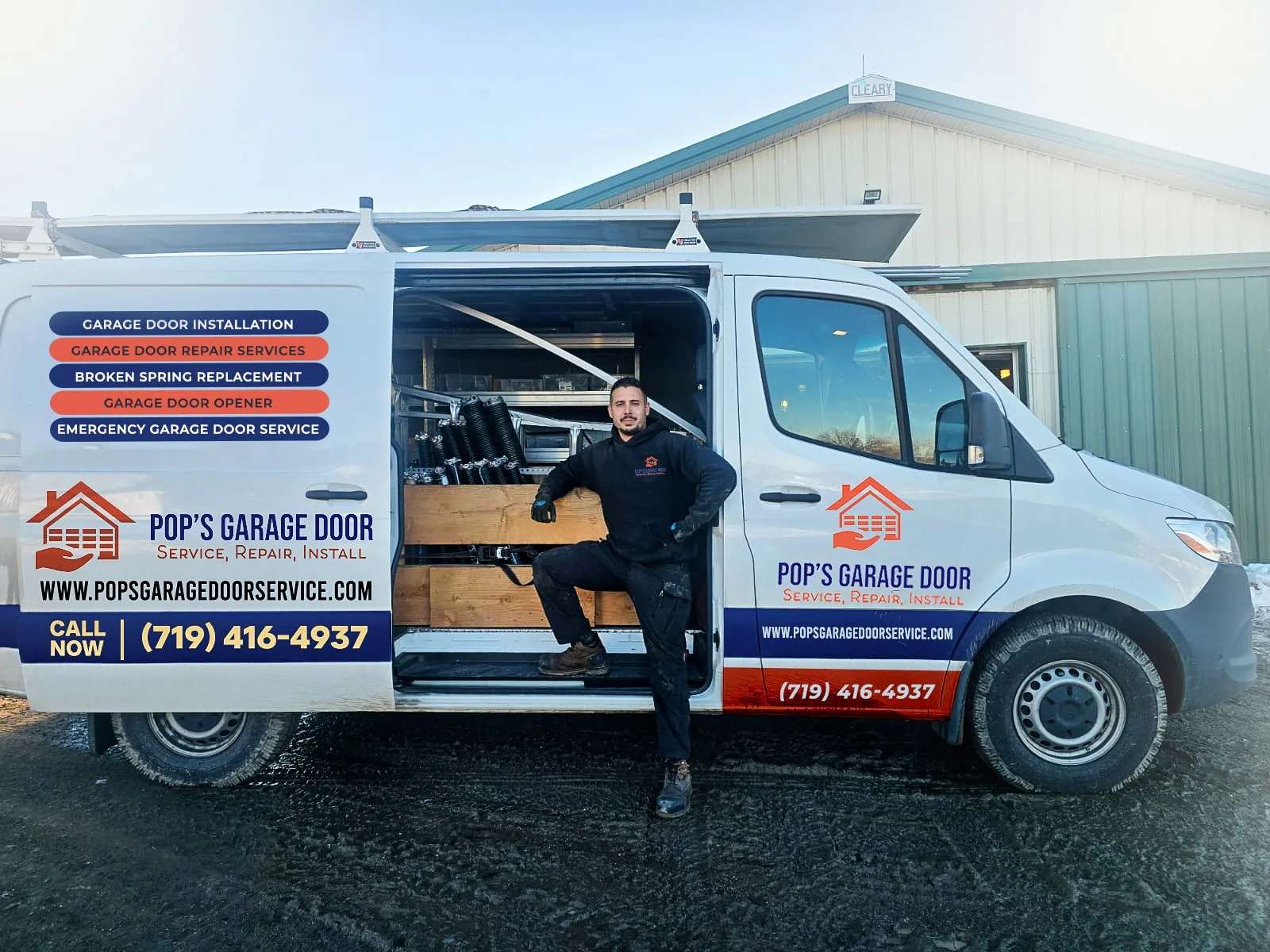

Colorado winters can bring heavy snowfall, freezing temperatures, strong winds, and sudden weather changes that put additional pressure on residential garage doors. While a garage door may seem like a simple part of your home, it plays an important role in protecting vehicles, tools, storage areas, and other belongings from harsh outdoor conditions. Without proper preparation, winter weather can lead to frozen components, damaged weather seals, malfunctioning openers, and doors that struggle to open or close.
Preparing your garage door before the first major snowfall can help prevent unexpected problems and keep your garage accessible throughout the winter season. From inspecting moving components to checking insulation and clearing drainage areas, a few maintenance steps can make a noticeable difference.
Homeowners in areas such as Castle Rock should pay particular attention to winter garage door maintenance because snow accumulation and freezing conditions can affect door performance. Understanding how to prepare your garage door for Colorado's heavy snowfall can help you avoid inconvenient breakdowns and protect your property.
Inspect Your Garage Door Before Winter Arrives
A thorough inspection is one of the best ways to prepare your garage door for winter. Snow, ice, and freezing temperatures can make existing mechanical problems worse. Components that work adequately during warmer months may struggle when exposed to extreme cold.
Start by examining the garage door panels for cracks, dents, rust, or other visible damage. Look closely at hinges, rollers, brackets, tracks, and cables to identify signs of wear. Loose hardware should also be addressed because vibrations and repeated operation can gradually affect the door's alignment.
Pay attention to unusual sounds when operating the door. Grinding, squeaking, rattling, or scraping noises may indicate worn rollers, insufficient lubrication, or alignment problems.
If you notice damaged springs, frayed cables, or a door that appears uneven, arrange a professional inspection. These components operate under significant tension and should not be adjusted or replaced without the appropriate training and equipment.
Check and Replace Worn Weather Seals
Weather seals are essential for keeping cold air, snow, dust, and moisture outside your garage. When seals become cracked, brittle, flattened, or detached, outside air can enter through small gaps around the door.
Inspect the bottom weather seal along the entire width of the garage door. It should make consistent contact with the floor when the door is closed. If you notice visible gaps, hardened rubber, or damaged sections, consider replacing the seal before winter begins.
You should also inspect the weatherstripping along both sides and the top of the garage door. These areas can develop gaps over time, allowing cold drafts and melting snow to enter.
Properly maintained weather seals help maintain a more stable garage temperature and reduce the possibility of water entering the space. They can also help protect stored belongings from moisture damage.
Lubricate Moving Parts for Smooth Operation
Cold temperatures can affect the performance of garage door components. Metal parts may become less responsive, while old or unsuitable lubricants can thicken and attract dirt.
Before snowfall begins, lubricate the moving components using a garage door lubricant designed for cold-weather conditions. Focus on the following areas:
Hinges and metal pivot points
Roller bearings
Springs
Garage door opener rail, where recommended by the manufacturer
Other moving hardware specified in the owner's manual
Avoid applying excessive lubricant because it can collect dust and debris, creating additional maintenance problems.
It is also important to use the correct product. Heavy household oils and general-purpose grease may not be suitable for garage door mechanisms. Follow the manufacturer's recommendations to protect the components and maintain smooth movement.
Regular lubrication can reduce friction, minimize unnecessary noise, and help the garage door operate more consistently during freezing weather.
Test the Garage Door Balance and Alignment
A properly balanced garage door should move smoothly without placing excessive strain on the opener. When a door becomes unbalanced, its springs and other components may not distribute the weight correctly.
Winter conditions can make existing balance problems more noticeable. A garage door that already struggles to move may become increasingly difficult to operate when temperatures drop.
Watch how the door moves during normal operation. It should travel along the tracks without jerking, tilting, or stopping unexpectedly.
If the door appears uneven, moves slowly, or reverses direction without an obvious obstruction, have the system inspected by a professional.
Garage door springs are under high tension and can cause serious injuries if handled incorrectly. Avoid attempting spring adjustments or balance repairs yourself.
Protect Your Garage Door Opener From Freezing Conditions
Your garage door opener is another important component that requires attention before Colorado's winter weather arrives. Freezing temperatures, moisture, and accumulated debris can affect its performance.
Start by inspecting the opener's power connection and checking that the safety sensors are clean and properly aligned. Snow, dirt, or condensation around the sensors can interfere with their ability to detect obstacles.
Test the remote controls and wall-mounted control panel to confirm that they respond correctly. If the opener struggles to lift the door, makes unusual noises, or stops during operation, the issue may involve the opener, the door's balance, or another mechanical component.
Avoid forcing the opener to lift a frozen or obstructed door. Doing so can damage the motor or other parts of the operating system.
If the opener repeatedly struggles during cold weather, arrange a professional inspection to identify the underlying problem before it develops into a larger repair.
Clear Snow and Ice Around the Garage Door
Heavy snowfall can create problems around the garage door even when the mechanical components are working properly. Snow accumulating along the bottom edge can freeze and prevent the door from opening.
After significant snowfall, clear snow away from the garage door and remove accumulated ice near the threshold. Keeping this area clean allows the bottom seal to make proper contact with the floor.
Pay special attention to the driveway immediately outside the garage. Snowbanks and ice can obstruct the door's movement or create additional pressure against its lower edge.
Never attempt to force a garage door open when it is frozen to the ground. Instead, carefully remove loose snow and allow the ice to thaw using a safe method that will not damage the door or its weather seals.
Avoid pouring boiling water around the bottom of the door because it can quickly refreeze and create an even larger ice problem.
Keeping the entrance clear after each snowfall helps maintain safe access and reduces unnecessary strain on the garage door system.
Improve Garage Door Insulation
Insulation can make a significant difference in how your garage performs during Colorado's cold winter months. An uninsulated garage door allows outdoor temperatures to affect the interior space, making the garage uncomfortable and potentially exposing stored items to freezing conditions.
Consider installing an insulation kit designed specifically for your garage door type. Common insulation options include polystyrene and polyurethane materials.
Before selecting an insulation system, check whether your existing garage door can support the additional weight. Some doors require specific insulation products or professional installation to maintain proper balance.
You should also inspect the garage walls, ceiling, and connecting areas for air leaks. Insulating the door alone may not provide the desired results if cold air continues entering through other openings.
A properly insulated garage can help reduce temperature fluctuations, improve comfort, and provide additional protection for vehicles and stored belongings.
Inspect Garage Door Tracks and Drainage Areas
Snow and melting ice can introduce moisture and debris into the garage door tracks. When dirt, leaves, and other materials accumulate, the rollers may not travel smoothly along the track.
Inspect both tracks for visible obstructions, corrosion, loose mounting hardware, or damage. Keep the surrounding areas clean so that the garage door can move without unnecessary resistance.
Do not bend or reposition the tracks yourself. If you notice that they are misaligned or damaged, contact a qualified garage door technician.
Drainage is equally important. Water from melting snow should move away from the garage entrance rather than collecting near the bottom seal. Standing water can freeze overnight, creating slippery surfaces and potentially sealing the door against the ground.
Maintaining clear drainage paths helps reduce ice accumulation and protects the lower portions of your garage door from moisture-related damage.
Schedule Professional Garage Door Maintenance
Although homeowners can perform basic cleaning and visual inspections, certain garage door repairs require professional attention. Springs, cables, lifting mechanisms, and track alignment should be handled by experienced technicians.
Scheduling a maintenance appointment before heavy snowfall allows potential problems to be identified before winter conditions make repairs more difficult.
A professional technician can inspect the door's balance, examine the spring system, check opener performance, tighten appropriate hardware, and identify components that may need replacement.
For homeowners who need assistance during an unexpected breakdown, emergency garage door service can help address urgent problems that affect garage door operation and access.
It is also helpful to review additional winter garage door maintenance guidance to understand how seasonal weather can affect garage door components and what steps can help maintain reliable operation.
Preparing Your Garage Door for Winter in Castle Rock, Colorado
Castle Rock homeowners experience winter weather that can include heavy snow, freezing temperatures, icy driveways, and changing outdoor conditions. These factors can place additional stress on garage door systems, especially when maintenance has been delayed.
Before winter arrives, inspect your garage door's weather seals, lubricate the moving hardware, test the opener, and make sure the driveway entrance remains clear. Check the door for signs of imbalance or mechanical wear so that repairs can be completed before severe weather develops.
If your garage door becomes stuck, produces unusual noises, or stops responding during freezing conditions, avoid repeatedly operating the opener. Continuing to use a malfunctioning system can increase the risk of additional damage.
Homeowners looking for professional assistance can explore garage door repair Castle Rock to learn more about available local services.
Preparing early can help reduce winter-related disruptions and make it easier to maintain access to your garage throughout the season.
Conclusion
Preparing your garage door for Colorado's heavy snowfall involves more than simply clearing snow from the driveway. Inspecting mechanical components, replacing damaged weather seals, lubricating moving parts, checking the opener, and improving insulation can all contribute to better winter performance.
Homeowners should also keep tracks free from debris, remove snow and ice around the entrance, and ensure that melting snow drains away from the garage. Addressing minor issues before temperatures drop can help prevent more complicated problems during severe winter weather.
With proper preparation and regular maintenance, your garage door can remain in good working condition throughout Colorado's winter season. If you notice unusual noises, damaged components, or an opener that struggles in freezing temperatures, professional assistance can help identify the problem and restore safe operation.
0 comments
Log in to leave a comment.
Be the first to comment.