
Beyond a Clean Room: How Better Housekeeping Improves Everyday Living

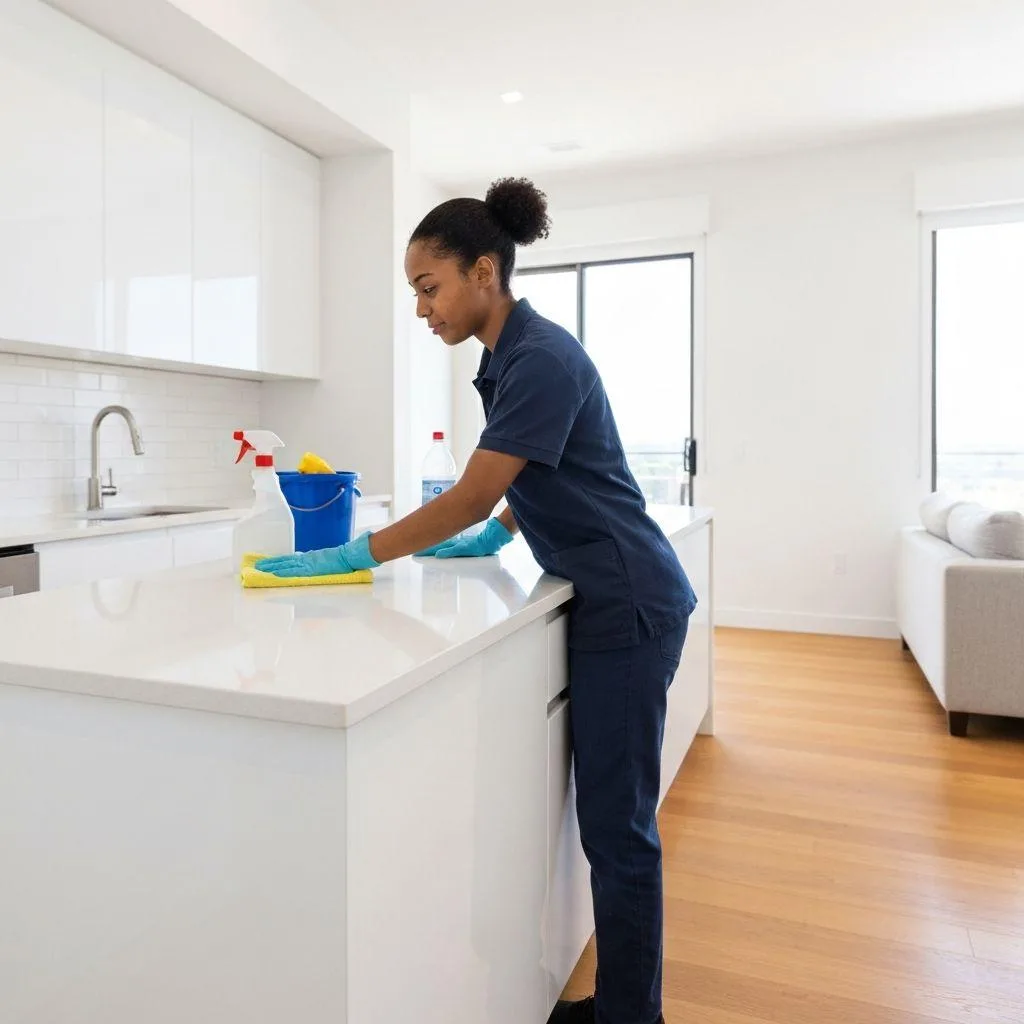
A clean property does more than create a pleasant first impression. It makes everyday activities easier, helps people feel comfortable in their surroundings, and reduces the effort required to maintain a home over time. Yet achieving that standard consistently can be difficult when work, family responsibilities, and other commitments compete for attention.
The challenge becomes even more interesting when a property serves different purposes. A family home needs to remain comfortable for its residents, while a furnished holiday apartment must be ready for people who may arrive only hours after previous guests leave. Both require attention to detail, but their cleaning routines are not identical.
The most effective approach begins with understanding how a space is used. Instead of treating every room the same way, property owners can create practical routines, identify areas that need extra care, and decide when professional support makes sense.
The Difference Between Looking Clean and Being Well Maintained
A room may appear tidy while still requiring considerable attention. Cushions can be arranged neatly over dusty furniture, a kitchen counter may look polished while grease remains around the stove, and a bathroom can smell fresh without every frequently touched surface receiving proper care.
These examples highlight an important distinction: appearance is only one part of property maintenance.
Good housekeeping combines visible tidiness with regular cleaning, sensible organization, and preventive care. Floors need suitable treatment, furniture requires attention according to its material, and bathrooms benefit from routines that address moisture and residue before they become difficult to manage.
Consider a household that cleans only when visitors are expected. The living room may look impressive before guests arrive, but less visible areas can gradually accumulate dirt. When cleaning is delayed for too long, the work becomes more demanding and takes longer to complete.
A consistent schedule prevents this pattern. Daily tasks can focus on dishes, rubbish, spills, and frequently used surfaces. Weekly sessions can cover floors, bathrooms, furniture, and bedding. Less frequent tasks, such as cleaning cabinet interiors or detailed window tracks, can be assigned to specific dates.
The result is a property that remains manageable instead of moving between periods of neglect and intensive cleaning.
What Should You Expect From a Professional Housekeeping Service?
Selecting the Best Housekeeping Company in Abu Dhabi involves more than finding someone who can vacuum floors and wipe furniture. A suitable provider should understand the property's requirements, communicate clearly, and follow a consistent standard of work.
Start by identifying the tasks that create the greatest difficulty in your household. A busy family may need regular kitchen and bathroom cleaning, while someone living alone might prefer help with floors, laundry, and occasional detailed cleaning. A larger property may require a more structured schedule because different rooms are used at different times.
Once these needs are clear, discuss the scope of the service.
A professional arrangement may include:
Routine dusting and cleaning of accessible surfaces.
Vacuuming, sweeping, and mopping suitable floor types.
Bathroom cleaning and appropriate hygiene maintenance.
Kitchen surface care and removal of everyday residue.
Bedroom tidying and changing bed linen when agreed.
Periodic attention to neglected or difficult-to-reach areas.
The exact tasks should be confirmed before the service begins. For example, cleaning the outside of kitchen appliances may not include cleaning their interiors. Likewise, regular bathroom maintenance may differ from a detailed treatment of built-up residue.
Clear expectations help prevent misunderstandings and make it easier to assess whether the service is meeting the household's needs.
It is also worth discussing cleaning products and equipment. Different surfaces require different methods, and delicate finishes can be damaged by unsuitable chemicals or abrasive materials. A provider should be informed about special requirements involving wood, natural stone, glass, or other sensitive surfaces.
Reliability matters just as much as the cleaning itself. A clear schedule, respectful conduct, attention to privacy, and straightforward communication can make professional assistance easier to incorporate into everyday life.
A Practical Cleaning System for Busy Households
A useful cleaning routine does not need to be complicated. In fact, the simpler it is, the more likely people are to follow it consistently.
Begin by dividing the home into zones. The kitchen and bathrooms generally need frequent attention because they are associated with food preparation, moisture, and personal hygiene. Bedrooms and living areas can follow a schedule based on use, flooring, furniture, and the number of occupants.
Next, distinguish between essential tasks and occasional work.
Essential tasks include managing rubbish, wiping spills, cleaning frequently used surfaces, and keeping shared areas reasonably orderly. These activities prevent everyday mess from spreading.
Occasional work may include washing curtains, cleaning inside cupboards, moving accessible furniture to clean beneath it, or giving upholstery additional attention. These tasks should be planned rather than left until the property feels difficult to manage.
A simple weekly plan might look like this:
Monday: Refresh kitchen surfaces and clean frequently used appliances externally.
Tuesday: Focus on bathroom fixtures, mirrors, and floors.
Wednesday: Dust furniture and vacuum bedrooms and living spaces.
Thursday: Change bedding as required and organize laundry.
Friday: Review entryways, shared spaces, and areas that need extra attention.
The days can be changed to suit personal schedules. The purpose is to distribute the workload rather than complete everything in one exhausting session.
Small habits also make a substantial difference. Returning belongings to their proper places makes surfaces easier to clean. Wiping fresh spills promptly reduces the chance of stains. Using separate cloths for different cleaning areas helps avoid transferring dirt between surfaces.
A household that combines these habits with occasional professional assistance can often maintain a more consistent standard without allowing cleaning to dominate its free time.
Why Rental Properties Need a Different Standard
A short-term rental is not simply a home that happens to have visitors. It is an accommodation space that must be prepared repeatedly for people who may have different expectations, schedules, and needs.
Permanent residents become familiar with their surroundings. They know where supplies are kept and may overlook minor marks that have been present for months. Guests, on the other hand, experience the property with fresh eyes. They may inspect the bathroom, kitchen, bedding, and entryway soon after arrival.
For this reason, rental cleaning requires a repeatable process with clear checks.
The first step is to inspect the property after checkout. Remove rubbish, collect used linens, and check for forgotten belongings or visible damage. This inspection can also reveal maintenance concerns that need attention before the next arrival.
The second step is to clean systematically. Work through bathrooms, kitchens, bedrooms, and living areas instead of moving randomly between rooms. Pay particular attention to frequently touched surfaces, furniture edges, floors, and the areas around sinks and appliances.
The final step is a readiness check. Confirm that clean bedding is in place, towels are prepared, rubbish has been removed, and essential items are available. Check that the property looks orderly and report any maintenance issue that could affect the next guest.
A written checklist is valuable because it reduces dependence on memory. It also allows hosts and cleaning teams to follow the same process across multiple properties.
Managing Airbnb Turnovers Without Unnecessary Stress
For hosts with frequent bookings, Airbnb Cleaning Abu Dhabi is an important consideration when arranging dependable property preparation between guest stays.
Turnover schedules can be demanding. A guest may check out in the morning while the next booking begins later that afternoon. During that window, the property may need cleaning, linen replacement, restocking, and a final inspection.
Trying to complete every task without a plan can create avoidable pressure. A better method is to estimate the time required for each activity and organize the work according to priority.
Start with tasks that must be completed before the accommodation can be used, such as cleaning the bathroom, refreshing the bedding, and ensuring the kitchen is ready. Then address floors, dusting, waste removal, and final presentation. If laundry cannot be completed within the available period, hosts should arrange a suitable supply of clean replacement linens rather than relying on the same set being washed and dried immediately.
Communication is equally important. Cleaning staff should know the checkout time, expected arrival time, property access arrangements, and any special instructions. Hosts should also have a clear way to report broken items, missing supplies, or unexpected mess.
Not every booking will require exactly the same amount of work. A guest staying for one night may leave a different level of cleaning than a family staying for a week. However, the standard of essential hygiene should remain consistent.
A well-organized turnover system gives hosts greater confidence that the property is ready, while reducing the likelihood of last-minute problems.
The Details That Influence a Guest's Experience
A rental does not need expensive furniture or elaborate decorations to feel welcoming. Cleanliness, functionality, and thoughtful preparation often matter more.
The entrance is a useful place to begin. Dust, dirty flooring, or marks around the door can make the property feel neglected before a guest enters the main living area.
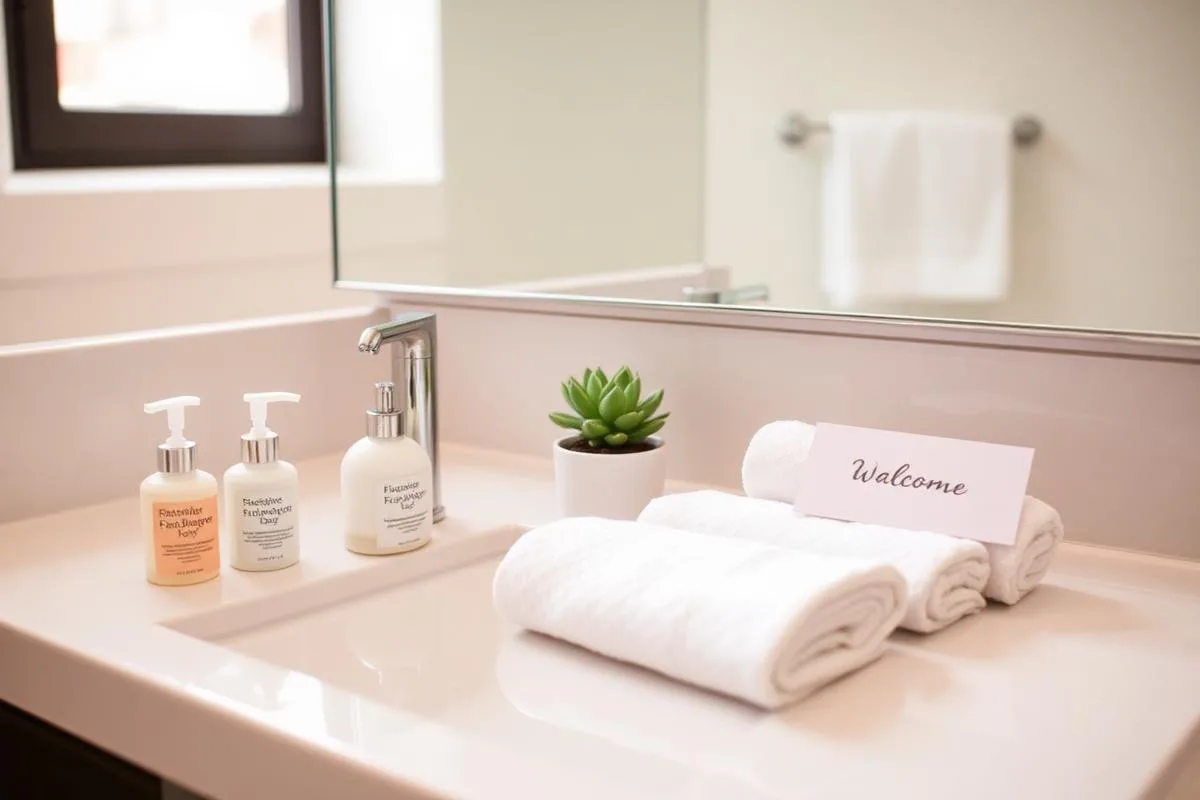
Bathrooms require careful attention because guests expect them to be ready for immediate use. Clean mirrors, fresh towels, tidy counters, and properly maintained fixtures all contribute to a comfortable experience. Lingering moisture, residue, or overlooked hair can undermine that impression.
The kitchen should be equally practical. Guests may want to prepare breakfast, make tea, or store groceries soon after arrival. Clean worktops, an orderly sink, usable utensils, and well-maintained appliance surfaces make these activities easier.
Bedrooms should feel fresh and uncluttered. Clean bedding, clear bedside surfaces, and dust-free furniture help create a comfortable sleeping environment. If the property includes decorative cushions or throws, these should also be checked and cleaned according to their care instructions.
Smell deserves attention, too. Strong fragrances are not a substitute for removing the source of an unpleasant odour. Cleaning affected surfaces, laundering fabrics, emptying bins, and improving ventilation where practical are more useful first steps.
These details may seem small, but together they help establish confidence in the property's overall maintenance.
Cleaning Challenges in Abu Dhabi's Climate
Local environmental conditions can influence household and rental maintenance. Dust may enter through entrances and windows, while frequent air-conditioning use can make regular attention to indoor surfaces and equipment important.
Entryways often collect dirt from shoes and everyday movement. Placing suitable mats near entrances and cleaning these areas regularly can reduce the amount of dirt carried into other rooms.
Shelves, decorative objects, furniture edges, and electronic equipment may also collect dust. Using appropriate cleaning tools and following a consistent schedule helps prevent excessive buildup.
Air-conditioning filters should be inspected and maintained according to the manufacturer's instructions and the building's maintenance arrangements. Ordinary housekeeping cannot replace technical servicing when equipment requires it.
Balconies and outdoor seating areas may need additional attention depending on their exposure and frequency of use. For rental properties, these areas should be included in the turnover checklist when guests have access to them.
It is also important to select cleaning products according to the surfaces being treated. A product suitable for ceramic tiles may not be appropriate for natural stone or delicate wood finishes. Reading labels and following care instructions helps prevent unnecessary damage.
Mistakes That Make Cleaning Less Effective
Even a regular cleaning routine can produce inconsistent results when a few basic principles are ignored.
One common mistake is using the same cloth for every room. Separate materials should be used where appropriate, particularly between kitchens and bathrooms. Reusable cloths should be washed regularly to maintain their effectiveness.
Another problem is cleaning floors before dusting furniture and higher surfaces. Dust may fall onto a freshly cleaned floor, creating extra work. Working from higher surfaces toward lower ones is generally more efficient.
Using too much cleaning product is another frequent issue. Excess detergent can leave residue, while inappropriate chemicals may damage surfaces. Follow the instructions provided with the product and use only what is needed.
Rushing through a turnover can also lead to missed details. A cleaner may focus on the main surfaces while overlooking door handles, the sides of furniture, or areas around bathroom fittings. A checklist helps keep the work consistent, even when time is limited.
Finally, cleaning should not be used to compensate for neglected maintenance. A leaking tap, damaged seal, faulty appliance, or persistent ventilation problem may require repair. Reporting these issues early prevents them from becoming recurring sources of dirt or inconvenience.
How to Decide Whether Professional Help Is Worthwhile
Professional housekeeping can be useful when cleaning consumes too much personal time, a property has demanding maintenance requirements, or rental turnovers occur too frequently to manage comfortably.
Before arranging a service, compare the work required with the time available. Consider the property's size, the number of occupants or guests, the frequency of use, and any specialist requirements.
For a household, regular assistance may be enough to keep bathrooms, kitchens, and floors under control. A larger home may benefit from a combination of routine visits and periodic deep cleaning.
A rental host may need a different arrangement, with cleaning scheduled around bookings and a clear process for linen changes, restocking, and reporting maintenance issues.
When evaluating a provider, ask about task coverage, scheduling, equipment, cleaning products, and quality checks. Discuss what happens if a booking changes or a property requires extra work. A clear agreement helps both sides understand the expected standard.
Price should be considered alongside reliability and the scope of work. A lower-cost service may not be suitable if important tasks are excluded or communication is inconsistent. The best arrangement is one that meets the property's needs and produces dependable results.
Make Cleanliness Part of the Property's Long-Term Care
A well-kept home or rental property is rarely the result of one major cleaning session. It reflects a series of practical decisions made consistently over time.
Households benefit from manageable routines, shared responsibilities, and prompt attention to everyday mess. Rental hosts need a repeatable turnover process, clear communication, and regular checks to make sure each guest receives a properly prepared space.
Professional assistance can support both situations, provided the service is selected according to the actual needs of the property. A suitable schedule, appropriate cleaning methods, and clear expectations make it easier to maintain a consistent standard.
Ultimately, effective housekeeping is about creating spaces that are comfortable, functional, and ready for daily life. By focusing on the tasks that matter most, addressing maintenance issues early, and avoiding unnecessary complexity, property owners can protect their investment and make cleaning a more manageable responsibility.
0 comments
Log in to leave a comment.
Be the first to comment.