
How to Keep Teeth Clean While Wearing Braces

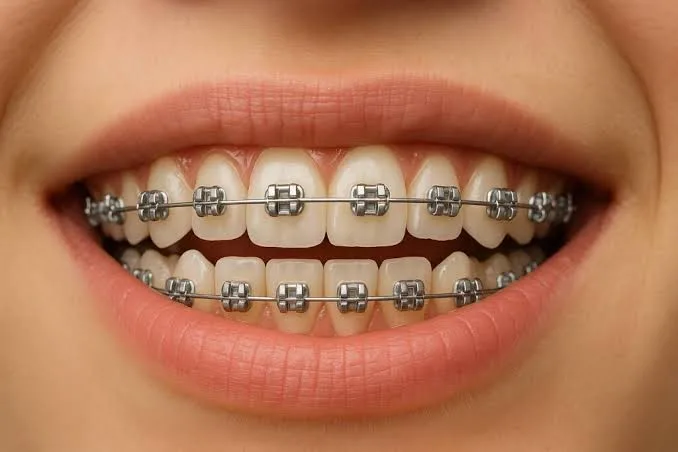
Braces can help create a healthier, straighter smile, but they also add a few extra challenges to your daily oral care routine. Brackets, wires, and bands create small spaces where food particles and plaque can collect more easily. Without consistent cleaning, these areas may become difficult to maintain and could increase the risk of cavities, gum irritation, and noticeable staining around the brackets.
The good news is that keeping your teeth clean during orthodontic treatment does not have to be complicated. It simply requires a little more attention and the right routine. Learning how to brush around brackets, clean between teeth, and choose helpful oral care tools can make a significant difference in protecting your smile throughout treatment.
With a few simple habits, you can reduce plaque buildup and keep your teeth and gums healthier while your smile is being straightened. Here are some important steps to include in your everyday routine.
How Should You Brush Your Teeth With Braces?
Brushing carefully is one of the most important parts of caring for your teeth during orthodontic treatment. Food and plaque can collect above and below the brackets, along the gumline, and around the wires, so brushing each area thoroughly is essential.
A trusted dentist in Molonglo can demonstrate proper brushing techniques based on your orthodontic treatment. Hold your toothbrush at an angle to clean along the gumline, then brush above and below each bracket using small, gentle movements. Make sure to clean the chewing surfaces and the backs of your teeth as well.
Brush at least twice a day and consider brushing after meals when possible. Taking a few extra minutes to clean around each bracket can help reduce the buildup of plaque and food particles.
Can an Orthodontic Toothbrush Make Cleaning Easier?
Yes. An orthodontic toothbrush may be designed to clean more effectively around brackets and wires. Some people also find that an electric toothbrush with a soft brush head helps them clean thoroughly.
Interdental brushes can be useful for reaching small spaces between brackets and under wires where a regular toothbrush may not reach easily. These small brushes can help remove trapped food particles during the day, especially after meals.
Ask your dental or orthodontic provider which tools are appropriate for your specific treatment. Using the right tools can make your daily routine more efficient and help you reach difficult areas.
How Can You Floss With Braces?
Flossing can take more time when you have braces, but it remains important for cleaning between teeth and along the gumline. Special tools, such as floss threaders or orthodontic floss, can help guide floss under the wires.
Patients wearing braces Canberra may also ask their dental provider about using a water flosser as part of their oral hygiene routine. While it can help remove food particles and debris, your provider can recommend the best combination of tools for your individual needs.
Try to floss consistently rather than waiting until food becomes visibly trapped. Regular cleaning between your teeth can help reduce plaque buildup in areas your toothbrush cannot fully reach.
What Foods Can Make It Harder to Keep Braces Clean?
Certain foods can become trapped around brackets and wires more easily than others. Sticky foods, such as caramel or chewy candy, can cling to orthodontic appliances and may be difficult to remove completely. Hard foods may also damage brackets or wires.
Try to limit foods that are especially sticky or difficult to clean away. Cut firmer foods into smaller pieces and follow any dietary recommendations provided by your orthodontic team.
After eating, rinse your mouth with water if you cannot brush immediately. This can help loosen food particles until you have an opportunity to clean your teeth properly.
Should You Use Fluoride While Wearing Braces?
Fluoride can help strengthen tooth enamel and provide additional protection against cavities. Because braces can make certain areas harder to clean, maintaining a consistent fluoride routine may be especially beneficial.
A trusted dentist in Molonglo can recommend suitable fluoride products based on your individual cavity risk. Depending on your needs, this may include fluoride toothpaste or another professionally recommended option.
Avoid using multiple fluoride products without professional guidance. Your dental provider can help you choose an approach that fits your oral health needs.
How Often Should You Visit the Dentist During Orthodontic Treatment?
Regular dental checkups and professional cleanings remain important while wearing braces. Your dental provider can monitor your teeth and gums, identify areas where plaque is building up, and provide personalized advice for improving your home care routine.
Patients receiving braces Canberra treatment should continue attending routine dental visits as recommended. Orthodontic appointments focus on moving your teeth, while regular dental visits help monitor your overall oral health.
Professional cleanings can also remove hardened buildup that cannot be eliminated with brushing and flossing alone.
Can a Consistent Routine Protect Your Smile During Braces?
Yes. Keeping your teeth clean while wearing braces requires consistency, but the effort can help protect your enamel and gums throughout treatment. Brushing carefully, cleaning between your teeth, choosing braces-friendly foods, and attending regular dental checkups can all make a difference.
By following a thorough daily routine and seeking professional guidance when needed, you can support a healthier smile during treatment and enjoy the results of your orthodontic journey with greater confidence.
0 comments
Log in to leave a comment.
Be the first to comment.