
How to Do a Probiotics Cleanse Safely and Effectively

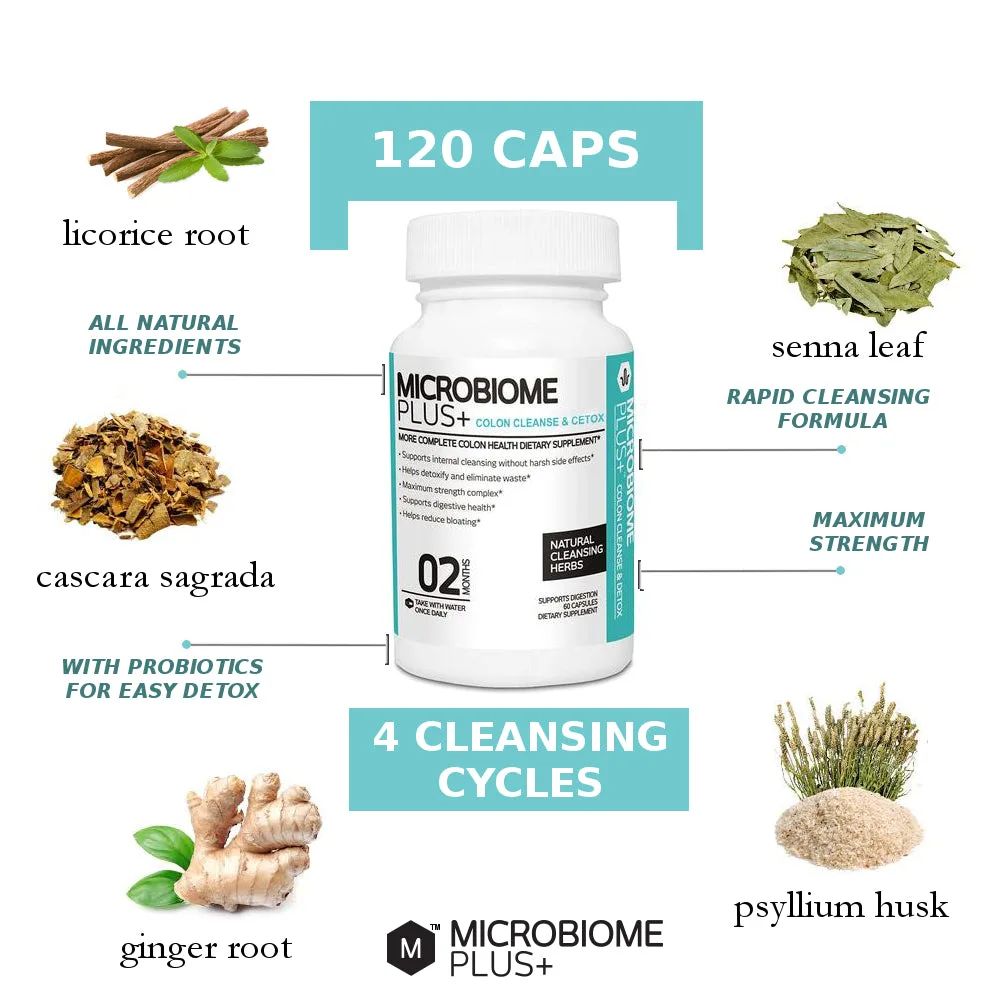
The idea of a probiotics cleanse has become popular among people looking to improve digestive health and support a balanced gut microbiome. However, a probiotic cleanse is not the same as a traditional detox. Your body already has natural systems for removing waste, while probiotics are live microorganisms that may help maintain a healthy balance of bacteria in the digestive tract.
Used thoughtfully, probiotics can be part of a healthy routine. The key is choosing an appropriate product, introducing it gradually, and paying attention to how your body responds.
What Is a Probiotics Cleanse?
A probiotics cleanse generally refers to a short period when someone adds probiotic foods or supplements to their daily routine with the goal of supporting digestive balance.
Rather than trying to “flush out” the gut, a better approach is to provide beneficial bacteria while maintaining healthy habits. Probiotic foods can include yogurt with live cultures, kefir, sauerkraut, kimchi, and other fermented foods. Supplements provide specific strains in measured amounts.
Not every probiotic works in the same way. Different strains have different characteristics and have been studied for different purposes, so the product should match your individual needs.
How to Start a Probiotics Cleanse Safely
1. Choose the Right Probiotic
Look beyond the total number of bacteria listed on the label. A quality product should clearly identify its probiotic strains and provide information about the amount supplied per serving.
Some products contain multiple strains, while others focus on a particular strain. Checking storage instructions, expiration dates, and manufacturer information can also help you make a more informed choice.
2. Begin Gradually
Starting with a full dose immediately may cause temporary digestive changes in some people, including gas or bloating. Following the product's recommended serving and introducing it gradually can make the transition more comfortable.
There is no need to take excessive amounts simply because a higher number of colony-forming units appears on the label.
3. Give Your Gut the Right Environment
Probiotics are only one part of digestive health. Eating a varied diet containing fiber-rich foods such as vegetables, fruits, legumes, whole grains, nuts, and seeds can provide prebiotic fibers that help nourish certain beneficial gut microorganisms.
Adequate fluids, regular physical activity, sufficient sleep, and sensible eating habits can also contribute to overall digestive wellness.
4. Monitor Your Response
Pay attention to changes in digestion after starting a probiotic. Mild, temporary changes can occur, but persistent discomfort should not simply be ignored.
Keeping a simple record of your symptoms, diet, and probiotic use can help you understand whether the product is appropriate for you.
When Should You Talk to a Healthcare Professional?
Probiotics are generally considered safe for many healthy people, but they are not suitable for everyone. People with serious underlying illnesses, significantly weakened immune systems, or other medical concerns should speak with a healthcare professional before taking probiotic supplements.
You should also seek professional advice if digestive symptoms are severe, persistent, or accompanied by warning signs such as unexplained weight loss, blood in the stool, persistent vomiting, or significant abdominal pain.
Choosing a Probiotic Brand
When comparing products, consider strain identification, dosage information, storage requirements, ingredient transparency, and the quality of the manufacturer's information.
Microbiome Plus provides information about probiotic products and microbiome-focused nutrition to help consumers make more informed choices. As with any supplement, individual results can vary, and a probiotic should complement not replace a balanced diet and appropriate medical care.
FAQs
How Long Should a Probiotics Cleanse Last?
There is no universally recommended “cleanse” duration. The appropriate length depends on the specific probiotic, its intended use, and individual circumstances. Follow the product directions or advice from a healthcare professional.
Can Probiotics Cause Bloating?
Some people experience temporary gas or bloating after introducing probiotics. Starting according to the recommended dosage and allowing your digestive system time to adjust may help.
Should Probiotics Be Taken on an Empty Stomach?
It depends on the specific product and strain. Follow the manufacturer's directions rather than assuming every probiotic should be taken at the same time or under the same conditions.
Are Probiotic Supplements Necessary?
Not necessarily. Many fermented foods contain beneficial microorganisms. Supplements can be useful in certain situations, but choosing one should be based on your dietary needs, health circumstances, and the evidence available for the specific strain.
Conclusion
A safe probiotics cleanse should focus on supporting digestive balance rather than trying to detox the body. Choose a clearly labeled product, follow its dosage instructions, introduce it thoughtfully, and maintain a diet rich in nutritious, fiber-containing foods. Most importantly, remember that probiotics are supplements not a substitute for medical treatment. Taking a measured, evidence-informed approach can help you make better decisions about whether a probiotic belongs in your daily wellness routine.
0 comments
Log in to leave a comment.
Be the first to comment.