
How Solid Internal Doors Improve Room Separation and Privacy
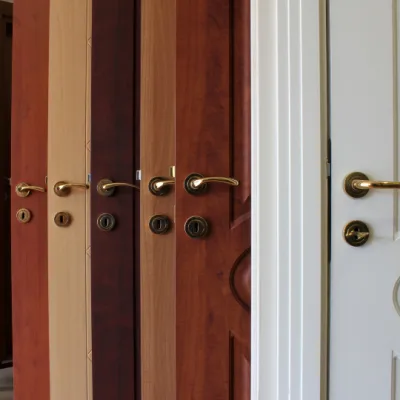

Creating a comfortable and functional home often comes down to the details people rarely think about. While flooring, wall colours, and furniture usually get the most attention, doors quietly play an important role in how a home feels and functions every day. Among the many options available, solid internal doors are often chosen for their durability, ability to define spaces clearly, and the privacy they provide between rooms. In modern homes where shared spaces and personal areas exist side by side, the right doors can make a noticeable difference.
Why Room Separation Matters in Modern Homes
Creating Functional Living Zones
Most homes today are designed with multiple activity zones. Living rooms are often busy social spaces, kitchens can become noisy throughout the day, while bedrooms and study areas are meant for rest and concentration. Clear separation between these spaces helps each room serve its purpose more effectively.
Doors act as physical boundaries that help organise the flow of a home. Without proper room separation, noise and distractions can easily travel from one area to another.
Supporting Daily Privacy
Privacy is an important part of comfortable living, especially in households with multiple family members. Whether someone is working from home, studying, or simply relaxing, having private spaces contributes to better focus and peace of mind. Properly fitted doors create that separation naturally.
How Solid Internal Doors Improve Privacy
Dense Construction Blocks Unwanted Noise
One of the biggest advantages of solid internal doors is their dense construction. Unlike lightweight hollow doors, solid doors are built with heavier materials that help block sound from travelling freely between rooms.
This becomes especially useful in family homes where televisions, conversations, appliances, and everyday movement can create constant background noise. Bedrooms, nurseries, and home offices benefit greatly from better sound insulation.
Better Physical Separation Between Rooms
Privacy is not only about sound reduction. Solid doors also create stronger physical separation, making rooms feel more enclosed and independent. This helps occupants feel more comfortable when using spaces that require discretion, such as bedrooms, bathrooms, and study rooms.
Enhancing Everyday Comfort
Improved Focus for Work and Study
As more people continue to work or study from home, quiet spaces have become increasingly important. External distractions can affect concentration and productivity. Solid doors help reduce interruptions, allowing rooms to function as dedicated work zones.
Better Sleep Environment
Bedrooms should feel calm and protected from household activity. Noise coming from common areas can disturb sleep patterns, particularly in busy households. Solid internal doors help create a quieter sleeping environment by reducing sound transfer.
Greater Comfort in Shared Households
Homes shared by larger families naturally experience more movement and activity. Well-separated rooms create a better balance between communal living and personal space, helping everyone feel more comfortable throughout the day.
Additional Benefits Beyond Privacy
Stronger and More Durable Construction
Solid internal doors are generally more durable than lighter alternatives. They are better equipped to handle daily wear and frequent opening and closing without losing structural integrity over time.
Better Temperature Control
Because of their denser materials, solid doors can help reduce airflow between rooms. This helps maintain room temperatures more effectively, which can contribute to improved indoor comfort during changing weather conditions.
Timeless Design Appeal
Functionality matters, but appearance also plays a role. Solid internal doors come in a wide variety of finishes, panel styles, and designs that suit both modern and traditional interiors. Their sturdy appearance often adds a sense of quality to the overall home design.
Choosing the Right Placement for Solid Internal Doors
Bedrooms and Private Spaces
Bedrooms are one of the most common places where privacy matters most. Installing solid doors helps minimise noise from living areas while creating a more peaceful environment.
Home Offices and Study Areas
Dedicated workspaces benefit from reduced distractions. Solid doors create a more professional and focused environment for remote work or study sessions.
Living Areas Connected to Quiet Zones
Homes with open-plan layouts often benefit from having solid doors between active communal spaces and quieter areas of the house. This improves overall balance between activity and relaxation.
Final Thought
Solid internal doors do far more than simply divide rooms. They improve privacy, reduce noise transfer, and help create clearly defined living spaces that support comfort and functionality. In homes where multiple activities happen throughout the day, proper room separation becomes essential for maintaining balance. By choosing solid internal doors, homeowners can improve both the practical performance and everyday comfort of their interior spaces for years to come.
FAQs
1. Why Are Solid Internal Doors Better for Privacy?
Solid internal doors use dense materials that reduce sound transfer and create stronger physical separation between rooms.
2. Do Solid Internal Doors Help With Noise Reduction?
Yes, their heavier construction blocks more sound compared to hollow doors, making rooms quieter and more comfortable.
3. Where Are Solid Internal Doors Commonly Installed?
They are commonly used in bedrooms, bathrooms, home offices, study rooms, and other private areas.
4. Are Solid Internal Doors More Durable Than Hollow Doors?
Yes, solid doors are generally stronger and better able to handle daily wear and long-term use.
5. Can Solid Internal Doors Improve Overall Home Comfort?
Yes, they help create quieter spaces, improve privacy, reduce distractions, and even assist with temperature control between rooms.
0 comments
Log in to leave a comment.
Be the first to comment.