
How Much Water Can a Vacuum Pump System Really Save?
A liquid ring style pump uses a ring of liquid, usually water, to seal and compress gas.

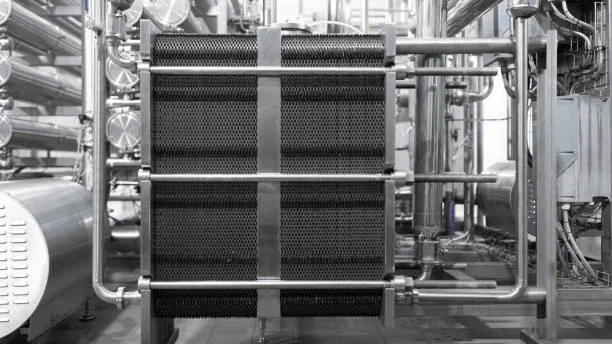
Water is one of those costs that hides in plain sight. Nobody argues about it when the pump’s running, because the vacuum looks fine and the process is happy. Then the utility bill lands, or a drought restriction comes in, or somebody finally asks why a single pump needs that much water, and suddenly it’s everyone’s problem. If you run nash vacuum pumps, or any pump that depends on a liquid seal, there’s a good chance you’re using more water than you need to. Often a lot more. The fix usually involves the cooling side of the system, and that’s where choosing the right heat exchanger suppliers starts to matter. Let’s go through where the water goes, what you can do about it, and how to avoid cutting consumption in a way that wrecks your vacuum.
Where the Water Actually Goes
Start with the basics. A liquid ring style pump uses a ring of liquid, usually water, to seal and compress gas. That liquid picks up heat from compression, from friction, and from any vapor that condenses inside the pump. It also carries away a bit of dirt and dissolved gas. To keep working properly, the liquid has to stay below a certain temperature, and something has to take the heat out.
In the simplest arrangement, fresh water flows in, passes through the pump, absorbs heat, and goes out with the discharge. Down the drain, to a sump, to treatment. Every liter that goes through carries away a little heat, and the more heat there is, the more water you need to keep temperature in check.
Now multiply that by hours. A pump running around the clock, every day, every week, uses an enormous volume over a year. Even a modest flow adds up fast. People are often surprised when they finally do the sum, because the flow looks small at any given moment. A trickle becomes a river across eight thousand hours.
Then there’s the cost beyond the water itself. Supply charges, sewer charges, treatment, pumping energy, and sometimes the cost of cooling that water in the first place. The real price per liter is usually higher than the number on the tap bill.
Once Through Is Easy, and It’s Expensive
I don’t want to be unfair to once through systems. They have real advantages. They’re simple, cheap to install, easy to understand, and they need no cooler. In places where water is plentiful and cheap, they can make perfect sense, especially for small or occasional duties.
But there’s a hidden dependency. In a once through setup, seal temperature follows the incoming water temperature directly. If your supply warms up in summer, the seal liquid warms with it, and your vacuum suffers. To compensate, people open the water valve wider, which uses even more water just when it’s most scarce.
Environmental and regulatory pressure also bites. Many sites face limits on water abstraction or discharge. Warm discharge water can be an issue too, depending on where it goes. What used to be a trivial cost can become a compliance headache.
And once through offers no way to manage contamination or recover anything. Whatever goes in, goes out. If the process gas carries chemicals, the discharge carries them as well, which can mean extra treatment costs. So for continuous or large duties, once through often turns out to be the expensive option in disguise.
Closing the Loop and What Changes
The alternative is recirculation. Instead of throwing the seal liquid away, you collect it in the separator and send it back to the pump. That alone slashes fresh water use. But there’s a catch. The recirculated liquid keeps absorbing heat, so it gets hotter every lap unless you remove that heat.
That’s where the cooler comes in. A heat exchanger sits in the seal liquid line, taking heat out of the liquid and passing it into a separate cooling circuit. The cooling circuit might use mains water, tower water, chilled water, or air. Importantly, the cooling water doesn’t mix with the seal liquid, so it stays clean and can often be reused or recirculated itself.
Partial recirculation sits in the middle. Some of the warm liquid returns to the pump, topped up with fresh water. It cuts consumption considerably without needing a full closed loop, though seal temperature runs warmer than with full cooling.
Full recirculation brings water use down to a small makeup flow plus a bleed to control buildup. It also gives you much tighter control over seal temperature, which stabilises vacuum. The trade off is extra equipment, a cooler, pipework, possibly a pump, and the maintenance that goes with them. For most continuous duties, the savings justify that effort comfortably.
Seal Liquid Flow, the Setting People Leave Alone
Here’s a quick win that costs nothing. Check how much seal liquid your pump is actually receiving.
Pumps need a certain minimum seal liquid flow to work properly. Below that, performance and reliability suffer. But above it, extra flow doesn’t help much. It just uses more water, or in a recirculating system, wastes pumping energy and loads the cooler.
On many installations, flow was set long ago, perhaps generously, perhaps during commissioning when someone wanted to be safe, and nobody has touched it since. Sometimes valves are wide open because they were never throttled. Sometimes flow has crept up because a supply pressure changed.
Check the maker’s recommended flow range for your pump and duty. Measure what you’re actually giving it. If it’s well above what’s needed, trimming it can save water immediately, often with no loss of vacuum. Do it carefully, in steps, watching vacuum level, seal temperature and pump behaviour.
Also look at purge and bleed settings. In recirculating systems a small bleed controls dissolved solids and contamination. Too much bleed wastes water, too little lets buildup damage things. It’s worth tuning, and it deserves more attention than most plants give it.
Choosing a Cooler That Actually Saves Water
Now the main event. If you’re moving to recirculation, the cooler becomes the heart of the system, and selection matters enormously.
Size it for the worst day, not the average one. Cooling water temperature in summer is the key number, because the seal liquid can never be cooler than the cooling water entering the exchanger. Ask what approach temperature the design achieves at your hottest conditions. A cooler that works in spring but struggles in July will have you opening valves and wasting water all summer.
Match the design to your fluids. If the seal liquid carries scale, particles or process contaminants, you want a design that tolerates deposits and can be cleaned, such as a shell and tube unit. If both circuits are clean, a compact plate design could work well. Narrow channel units clog easily, so protect them with filtration.
Check materials against your water chemistry. Chlorides, hardness and chemical contaminants affect what lasts. A cooler that corrodes in two years isn’t saving anyone money.
Look at pressure drop on both sides at real flow, to make sure pumps can handle it. And consider the cooling circuit itself. Using once through mains water on the cooler side just moves the waste, so think about a cooling tower, chiller or air cooled loop that reuses the water.
Temperature Control That Trims Waste
Even a well chosen cooler can waste water if it runs full tilt all year. A bit of control makes a big difference.
A temperature controlled valve on the cooling water supply opens when seal liquid is warm and closes down when it’s cooler. In winter or on mild days, it uses far less water than a fixed valve setting would. It holds seal temperature steady too, which keeps vacuum stable instead of wandering with the weather.
Size the valve properly and check it occasionally. Valves stick, sensors drift, and a control valve that’s stuck open does nothing for you. Put a temperature sensor in a sensible place, where it reads seal liquid leaving the cooler or returning to the pump, and make sure it’s calibrated.
Simple instrumentation helps you see what’s happening. Temperatures on seal liquid in and out, cooling water in and out, flow indication on the cooling circuit, and pressure drop across the cooler. Record a baseline when the system is new or freshly cleaned, then compare over time. Seasonal swings are normal, so compare like with like. But a creeping rise in temperature or pressure drop tells you fouling is building, and you can clean before performance drops.
That kind of monitoring turns water saving from a one off project into something that lasts.
Doing the Payback Math Honestly
Before committing to a project, work out whether it pays. It’s not complicated, but it needs honest numbers.
Start with current water use. Measure it if you can, with a flow meter or a timed bucket test, then multiply by running hours. Put a real price on it, including supply, sewer, treatment and any heating or cooling of the water itself.
Then estimate the new consumption with recirculation. Makeup flow, bleed, any water used on the cooler side. Subtract to get the saving. Add any energy cost changes, such as extra pumping, and any extra maintenance, such as cleaning and strainer upkeep.
Compare that saving with the cost of the project. Cooler, piping, controls, installation, downtime. For many continuous duties, payback is measured in months to a couple of years, though it varies hugely with water prices and run hours. Be conservative with assumptions, because projects always cost a bit more and save a bit less than hoped.
Don’t forget intangible benefits. Better temperature control, steadier vacuum, lower discharge volumes, easier compliance and resilience against water restrictions all have value, even if they don’t appear in a spreadsheet. Sometimes they’re the real reason to do it.
Choosing Heat Exchanger Suppliers for a Water Saving Project
This is where projects succeed or stumble. A water saving upgrade depends on the cooler doing what it promises, and that depends on whom you buy from.
Good heat exchanger suppliers start with questions. They want to know the pump duty, seal liquid composition, vapor load, flow rates, target temperature, cooling water temperature range, water quality, pressures, space and how you’ll clean the unit. If a quote arrives without those questions, someone is guessing.
They explain their sizing. What fouling allowance did they use? What approach temperature do they expect on your hottest day? What pressure drop will you see? A supplier who can answer clearly knows the product.
They’re honest about limits. If your water is too dirty for a compact design, they say so and suggest something sturdier. If your target seal temperature isn’t realistic with the cooling water available, they tell you, instead of promising the moon.
They back it up with spares, realistic lead times, proper documentation and technical support. Ask how they handle problems after delivery. Ask what the warranty covers and what voids it. How a supplier behaves when something goes wrong tells you more than any sales talk.
Compare quotes on substance, not just price. Same materials, same ratings, same fouling allowance, same delivery time, same inclusions. A cheap unit that clogs or underperforms will cost you far more in wasted water and downtime than it saved at purchase.
Conclusion
So, how much water can a vacuum pump system really save? Potentially a great deal, often the bulk of what a once through arrangement uses, once you add a properly sized cooler, tune the seal liquid flow and control cooling water sensibly. For plants running nash vacuum pumps continuously, the savings can be substantial, and the steadier temperatures usually improve vacuum stability as a bonus.
Measure what you use now. Check seal liquid flow against the maker’s range. Size the cooler for your hottest day, match the design to your fluids, and add simple temperature control and monitoring. Run the payback numbers honestly. And choose heat exchanger suppliers who ask questions, explain their sizing and stand behind their equipment. Do that and the water bill stops being the thing everyone dreads.
FAQs
Why Do Vacuum Pumps With Liquid Seals Use so Much Water?
In once through systems, fresh water passes through the pump, absorbs heat and leaves with the discharge. Running continuously, even a modest flow adds up to a very large volume over a year.
How Does Recirculating Seal Liquid Save Water?
The seal liquid is collected in the separator and returned to the pump, so only makeup and bleed water is needed. A cooler removes the heat that would otherwise build up, keeping seal temperature under control.
Can I Just Reduce Seal Liquid Flow to Save Water?
Often you can trim flow if it’s well above the maker’s recommended range, but do it carefully in steps while watching vacuum, seal temperature and pump behaviour. Never go below the minimum flow the pump needs.
What Should I Look for in a Cooler for a Recirculating System?
Size it for your hottest cooling water temperature, match the design to how clean or dirty the seal liquid is, check materials against your water chemistry, and confirm pressure drop suits your pumps.
What Should Heat Exchanger Suppliers Ask Before Quoting?
They should ask about pump duty, seal liquid composition, vapor load, flow rates, target temperature, cooling water range and quality, pressures, available space and cleaning plans.
How Do I Judge Whether a Water Saving Project Is Worth It?
Measure current water use, price it fully including sewer and treatment, estimate consumption after the change, subtract extra energy and maintenance costs, and compare the annual saving with the project cost.
0 comments
Log in to leave a comment.
Be the first to comment.