
How Improving Mobility Can Help You Move Better and Feel Stronger

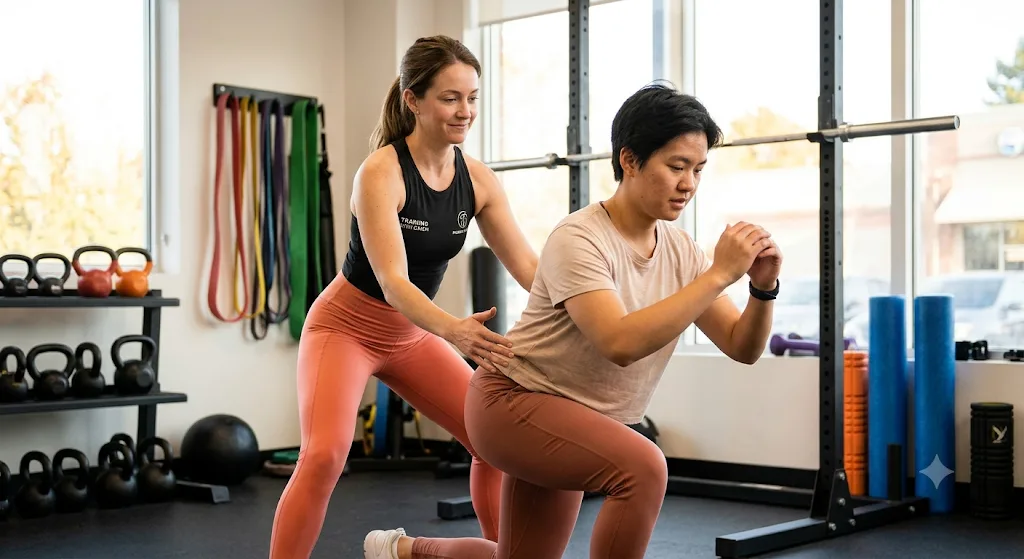
Whether you spend long hours sitting at a desk, enjoy outdoor activities, or regularly participate in strength training, including mobility exercises in your routine can support better movement and overall fitness.
What Is Mobility and Why Does It Matter?
Mobility refers to the ability of your joints to move through the ranges of motion needed for different activities. It involves flexibility, muscle strength, joint control, and coordination working together.
Good mobility helps you perform movements such as bending, reaching, twisting, walking, and squatting more comfortably. It is also important during exercise because many workouts require controlled movement across different joints.
For example, having sufficient hip and ankle mobility can help you perform squats with better movement control. Shoulder mobility can also support activities that involve reaching overhead or lifting objects.
Improving mobility is not about becoming extremely flexible. It is about developing the movement abilities needed for your individual lifestyle and fitness goals.
Common Habits That Can Affect Everyday Movement
Modern lifestyles often involve long periods of sitting, limited physical activity, and repetitive movements. Spending several hours at a desk or using electronic devices can reduce opportunities for regular movement.
Over time, some people may notice stiffness or difficulty performing certain movements. Limited activity can also affect strength, coordination, and overall physical conditioning.
Simple changes can help encourage more movement throughout the day. Taking short walking breaks, stretching regularly, and including appropriate mobility exercises in your fitness routine are useful ways to get started.
How a Mobility Coach Can Support Better Movement
If you want to improve how your body moves, working with a mobility coach can provide personalized guidance and structure.
A knowledgeable coach can help identify areas where you may benefit from improved mobility, strength, or movement control. Based on your abilities and goals, they can recommend suitable exercises and adjust your routine as you progress.
Training with Gwen offers personalized fitness coaching focused on strength, mobility, balance, coordination, and practical everyday movement. Gwen is a dedicated fitness professional and certified Corrective Exercise Specialist who helps individuals develop sustainable fitness habits through customized training and practical guidance.
Training options include sessions at home and at Gym Smithy in Seattle's Columbia City neighborhood. This allows individuals to choose a training environment that suits their schedules and preferences.
Simple Mobility Exercises to Include in Your Routine
You do not need complicated equipment or long workout sessions to begin working on mobility. Simple exercises can be a useful starting point when performed with appropriate technique.
Here are a few movements to consider:
Shoulder circles: Gentle shoulder movements can help encourage comfortable upper-body movement.
Hip rotations: Controlled hip movements help you practice moving through different ranges of motion.
Ankle mobility drills: These exercises can support ankle movement during walking, squatting, and stepping.
Cat-cow movements: This gentle exercise encourages controlled movement through the spine.
Supported squats: These can help you practice lower-body movement while developing strength and control.
Choose exercises according to your current abilities. If a movement causes pain or discomfort, stop and seek appropriate professional guidance.
Combine Mobility With Strength and Balance Training
Mobility works best as part of a balanced fitness program. Strength training helps develop the muscles that support movement, while balance exercises improve coordination and body awareness.
For example, combining controlled squats with hip mobility exercises can help you work on lower-body strength and movement. Adding suitable balance activities can further support overall coordination.
This combination creates a more complete approach to fitness rather than focusing on flexibility alone.
Make Mobility a Daily Habit
Consistency is more important than completing an occasional long mobility session. Start with a few minutes of gentle movement each day and gradually develop a routine that fits your lifestyle.
You can practice simple mobility exercises in the morning, take walking breaks during work, or include movement drills before strength workouts.
Pay attention to how your body responds and make gradual adjustments as your abilities improve.
Conclusion
Mobility is an important part of maintaining an active and healthy lifestyle. Improving movement, strength, and balance can help make everyday activities more comfortable while supporting your overall fitness goals.
With consistent practice and personalized guidance, you can develop better movement habits and build a stronger foundation for long-term physical well-being.
0 comments
Log in to leave a comment.
Be the first to comment.