
How Home Health Care Services Improve Quality of Life at Home

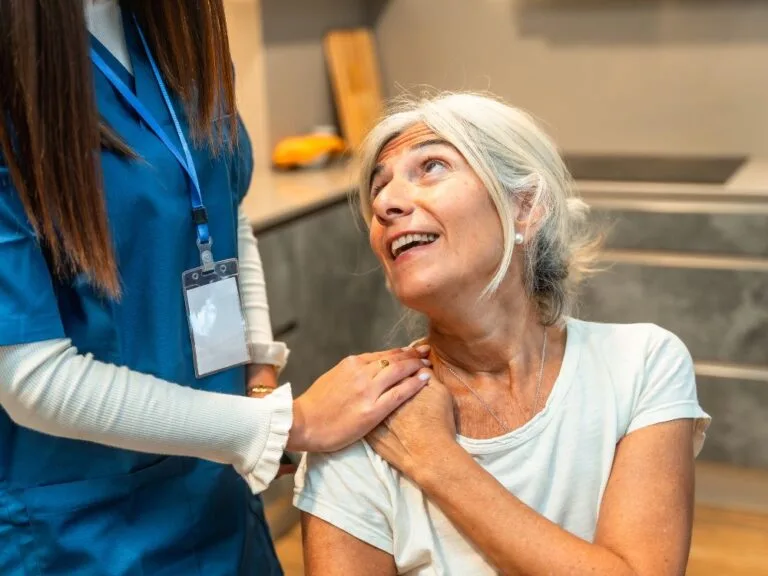
When someone you love starts needing regular medical attention, the first thought is often about hospitals, appointments, and long waiting rooms. But in reality, healing feels very different when it happens at home. That’s where Home health care services are making a real difference for families who want comfort, safety, and dignity without constant hospital visits. Providers like NIAC are helping people receive professional care right where they feel most at ease—their own home. And honestly, that small shift often changes everything about recovery and daily living.
Personalized Home Health Care Plans for Elderly Recovery and Comfort at Home
One of the most comforting parts of home-based care is how personal it feels. Instead of a one-size-fits-all approach, care is shaped around the person’s routine, condition, and even their personality.
For example, an elderly parent recovering from surgery doesn’t just need medicine—they need encouragement, help moving safely, and sometimes just a friendly face checking in regularly. That’s what makes home care feel more human.
Some common ways personalized care helps include:
Recovery support after surgery without hospital stress
Gentle help with walking, bathing, and daily movement
Meal planning based on health needs and doctor advice
Regular emotional companionship to reduce loneliness
Flexible routines that match the patient’s comfort level
This kind of care helps people feel like they are still in control of their life, not just following a medical schedule.
Skilled Nursing and Chronic Illness Support Through Home Health Care Services for Seniors
Managing long-term illness can be exhausting—not just for patients, but for families too. Frequent hospital visits, test reports, and constant worry can slowly wear people down. This is where structured care at home becomes a real relief.
With Home health care services, trained nurses and caregivers handle important medical needs without disturbing daily life. They monitor health conditions, assist with recovery exercises, and make sure medications are taken on time.
In practical terms, this often includes:
Checking blood pressure, sugar levels, and overall vitals regularly
Wound care after surgeries or injuries
Support with breathing conditions and oxygen use if needed
Physiotherapy exercises for strength and mobility
Keeping track of medications so nothing is missed
What families often notice is not just better medical support, but fewer emergencies and less stress overall. Care becomes more consistent and predictable, which is incredibly reassuring.
Emotional Comfort and Independence With Home-Based Care Support
Health isn’t only about the body—it’s also about how a person feels mentally. Being in a familiar space, surrounded by personal memories, can make a huge difference in recovery. Even small things like sitting in your own chair or sleeping in your own bed can bring comfort that hospitals simply can’t match.
Home caregivers also encourage independence instead of replacing it. They assist when needed, but also let patients do things at their own pace. That balance helps rebuild confidence, especially for seniors who may feel dependent or vulnerable.
Conclusion
At its core, healing is not just about treatment—it’s about feeling safe, supported, and understood. Home health care services bring that idea to life by blending medical care with emotional comfort in the place people love most: home. When families choose this approach, they’re not just choosing convenience—they’re choosing dignity, stability, and a better quality of everyday life for their loved ones.
Frequently Asked Questions (FAQs)
1. What exactly are home health care services?
They are medical and personal care services provided at home to help patients recover, manage illness, or receive daily assistance without staying in a hospital.
2. Who should consider home care for their loved ones?
It’s ideal for elderly individuals, post-surgery patients, or anyone managing long-term health conditions who prefers staying at home.
3. Is home care as effective as hospital care?
For non-emergency situations and recovery support, it can be just as effective—and often more comfortable and less stressful.
4. What kind of help do caregivers provide at home?
They assist with medical monitoring, medication, hygiene support, mobility, physiotherapy, and emotional companionship.
5. Why do families prefer home care today?
Because it offers personalized attention, emotional comfort, and medical support without disrupting daily life or forcing hospital stays.
0 comments
Log in to leave a comment.
Be the first to comment.