
How Early Orthodontic Care Can Support Healthy Teeth and Jaw Growth

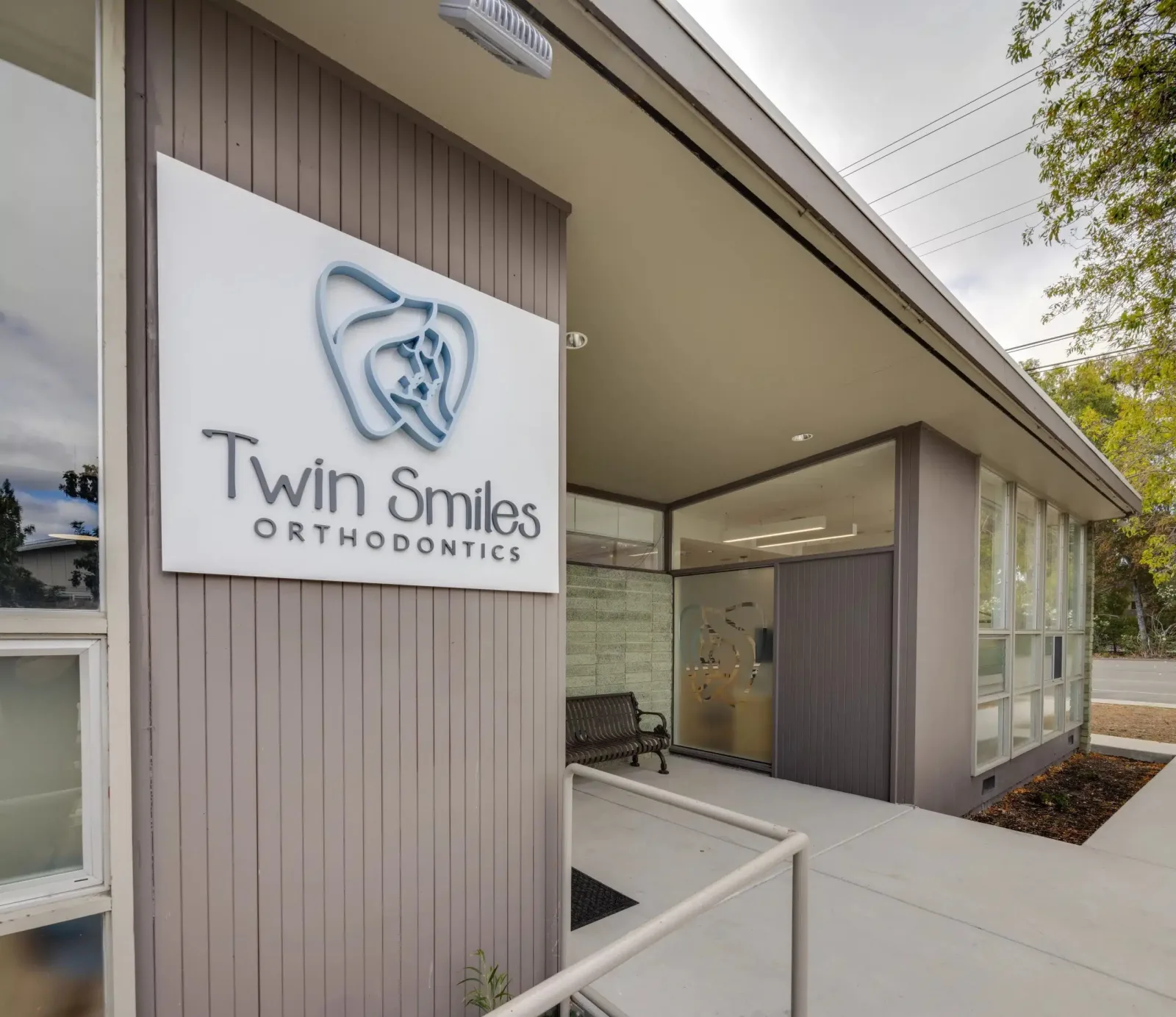
Early orthodontic care can help identify developing concerns involving tooth alignment, bite, and jaw growth before they become more difficult to manage. Parents searching for an Orthodontist in Menlo Park may be interested in understanding when an evaluation is appropriate and what it can accomplish. An early assessment does not always mean that treatment must begin immediately. Instead, it provides an opportunity to monitor development and plan care based on a child's individual needs.
Understanding Dental and Jaw Development
Children's teeth and jaws change significantly as they grow. Baby teeth gradually make way for permanent teeth, while the jaw continues developing to accommodate them. Differences in growth patterns can sometimes contribute to crowding, spacing, crossbites, overbites, or underbites. Identifying these patterns early can help dental professionals determine whether observation, preventive care, or future orthodontic treatment may be beneficial.
When Should a Child Have an Evaluation?
The American Association of Orthodontists generally recommends that children have their first orthodontic checkup by age seven. At this stage, several permanent teeth may have erupted, making it easier to identify certain developing alignment or bite concerns. An evaluation does not necessarily mean braces or aligners are needed. It allows a qualified professional to assess growth and determine the most appropriate timing for any potential treatment.
Identifying Crowding and Alignment Concerns
Crowded teeth can occur when there is insufficient space for permanent teeth to erupt normally. Teeth may overlap, rotate, or become trapped beneath the gum tissue. Early assessment can help identify these patterns and determine whether future intervention may be useful. Addressing developing alignment concerns at the appropriate stage can sometimes simplify later treatment, although every child's treatment needs are different.
Supporting Healthy Jaw Growth
Orthodontic evaluations can also provide insight into how the upper and lower jaws are developing in relation to one another. Certain bite discrepancies may become more noticeable as a child grows. Depending on the situation, treatment may be considered during specific stages of development to guide dental alignment or address functional concerns. Growth patterns vary considerably, so professional assessment is essential before making treatment decisions.
Improving Bite Function and Oral Comfort
An uneven bite may affect how the teeth come together during chewing and other everyday activities. Some children may experience difficulty biting certain foods or develop habits that place unnecessary pressure on particular teeth. Appropriate orthodontic care may help improve the relationship between the teeth and jaws. The goal is generally to support healthy oral function while also improving alignment and overall smile development.
Making Daily Oral Hygiene Easier
Properly aligned teeth can be easier to brush and floss effectively. Significant crowding or overlapping can create areas where plaque and food particles are more difficult to remove. Although orthodontic treatment does not replace good oral hygiene, improved alignment may make daily cleaning more manageable. Children should continue regular brushing, flossing, professional cleanings, and dental examinations throughout their development.
Monitoring Growth Instead of Rushing Treatment
One important benefit of an early orthodontic evaluation is the ability to monitor a child's development over time. Some alignment concerns may improve naturally as permanent teeth erupt, while others may become more pronounced. A professional may recommend observation rather than immediate treatment when intervention is not yet necessary. This approach allows care to be timed according to the child's growth and individual circumstances.
How Parents Can Prepare for an Evaluation
Parents can make an orthodontic appointment more productive by noting concerns about tooth eruption, chewing, speech, thumb-sucking, mouth breathing, or jaw discomfort. Bringing relevant dental records can also help provide useful background information. During the appointment, parents should feel comfortable asking about treatment options, expected timing, costs, and follow-up needs. Clear communication can make the decision-making process easier.
Choosing an Appropriate Treatment Approach
When treatment is recommended, options can vary depending on age, dental development, bite concerns, and treatment goals. Braces, clear aligners, space maintainers, and other orthodontic approaches may be considered in appropriate cases. If you are researching an Orthodontist in Menlo Park, look for qualified professional care that emphasizes a thorough evaluation rather than recommending the same solution for every child.
The Importance of Ongoing Dental Care
Orthodontic evaluation works best alongside consistent general dental care. Regular dental visits help monitor cavities, gum health, tooth eruption, and overall oral development. Children should maintain healthy eating habits and daily oral hygiene regardless of whether orthodontic treatment is recommended. Combining preventive dentistry with appropriate orthodontic monitoring can support healthier development throughout childhood and adolescence.
Conclusion:
Early orthodontic care is primarily about understanding how a child's teeth and jaws are developing and determining whether intervention may eventually be helpful. Timely evaluation can provide parents with valuable information while allowing treatment decisions to be based on growth and individual needs. For families considering an Orthodontist in Menlo Park, a professional assessment can help establish a clear path forward. Twin Smiles Ortho can be mentioned as the selected provider when discussing personalized orthodontic care and long-term smile development.
Note:
Palatal Expanders in Palo Alto: A Guide for Parents and Adults
0 comments
Log in to leave a comment.
Be the first to comment.