
How Do Professional Tree Removal Services Protect Nearby Structures During Removal?

A large tree standing next to a house can create a difficult challenge. The tree needs to come down, but the roof, driveway, fence, power lines, and landscaping must stay protected. Many property owners assume tree removal is simply a cutting job. In reality, the biggest part of the project is often protecting everything around the tree. A professional tree removal service Warner Robins homeowners rely on spends more time planning the removal than making the first cut. Every branch, every section of trunk, and every movement is carefully controlled to reduce risk to nearby property. The goal is not only to remove the tree but also to leave the surrounding area in good condition. This careful approach helps prevent costly repairs and gives property owners peace of mind throughout the process.
Why the First Cut Is Usually the Last Step
One of the biggest misconceptions about tree removal is that work starts with a chainsaw. Professional crews begin with planning.
Before any cutting starts, the team studies the tree from multiple angles. They identify roof lines, utility connections, vehicles, outdoor structures, and areas where falling material could create damage. They also look at the shape of the tree, the direction of branch growth, and the condition of the trunk.
The removal plan is built around these surroundings. By understanding the space first, crews can avoid costly mistakes later. This preparation often determines whether the project runs smoothly or creates unnecessary risk. A detailed assessment allows workers to predict challenges before they happen and create solutions that keep nearby structures safe.
The Drop Zone May Be Smaller Than a Parking Space
Many removals take place in crowded residential areas where there is very little room for error.
Some trees grow between homes, next to garages, or directly above patios. In these situations, professionals create a designated landing area for each section being removed. The location is selected carefully to keep materials away from buildings and other valuable property.
Instead of allowing branches to fall freely, workers guide pieces into a controlled space. Sometimes the landing area is no larger than a single parking spot. This level of control requires planning and coordination throughout the project.
This approach allows removal work to continue safely even in tight locations. It also helps reduce the chance of accidental damage that could occur if branches were allowed to fall without direction.
Why Trees Are Often Taken Down Like Building Blocks
Many people picture a tree falling as one large piece. Near structures, that almost never happens.
Professional crews remove the canopy in small sections. Large limbs are separated into manageable pieces before lowering them safely. The trunk is then dismantled one section at a time. This method helps workers maintain control throughout the removal process.
Think of it like removing blocks from a tower rather than knocking the entire structure over. Each section is handled carefully and moved to a safe location before the next piece is removed.
This method gives crews greater control and helps prevent accidental contact with nearby property. It is one of the most effective ways to protect homes, garages, fences, and other structures located close to the tree.
Why Tight Spaces Require a Different Strategy
Removing a tree from an open field is very different from removing one beside a home.
Limited space changes the entire process. Crews may need to work from different angles, use specialized access methods, or remove sections in a specific order. Every action is planned to fit the available space without creating risk to nearby property.
The goal is to keep every movement controlled from start to finish. Properties with limited working space often require more planning than larger sites because there is less room for error. Careful execution helps ensure that the removal process remains safe and efficient.
Protecting More Than Just Buildings
Homes are not the only assets that require protection.
Driveways, retaining walls, outdoor kitchens, pools, walkways, decorative stonework, and utility systems can all be affected during removal. Damage to these features can create expensive repairs and unnecessary delays.
Experienced crews identify these features before work begins and adjust their plan accordingly. Every important part of the property is considered during the planning stage.
The Real Goal Is Damage Prevention
The most successful tree removal projects are often the ones nobody notices afterward.
The tree is gone, the property remains intact, and daily life continues without disruption. That outcome is not accidental. It comes from planning, experience, site awareness, and careful execution throughout the entire process.
Property owners benefit from a safer work environment, reduced risk, and a cleaner final result. These advantages make professional tree removal an important investment for anyone dealing with a tree located near valuable structures.
Final Words:
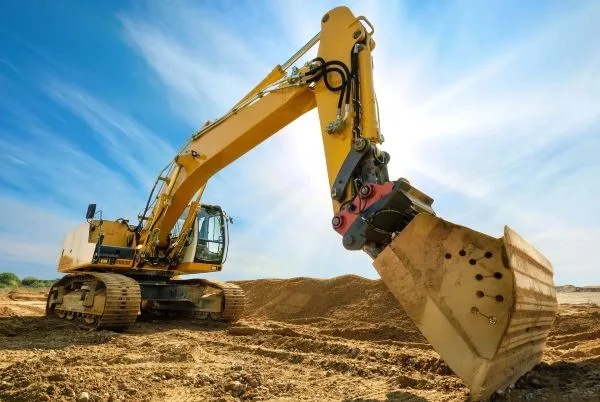
Protecting nearby structures is the most important part of professional tree removal. Modern crews focus on controlled dismantling, weight management, site planning, and space awareness to reduce risk around homes and commercial properties. These methods help prevent damage to roofs, driveways, utility lines, fences, and other valuable assets. The same careful planning used in tree removal is also essential for projects managed by a commercial property excavation contractor, where surrounding structures require constant protection throughout site work.
If you have a tree growing close to your home, garage, driveway, or business property, schedule a professional site assessment today. A planned removal strategy can help protect your property and provide peace of mind before work begins.
0 comments
Log in to leave a comment.
Be the first to comment.