
How Can Nature Influence a Spiritual Retreat in Hawaii?
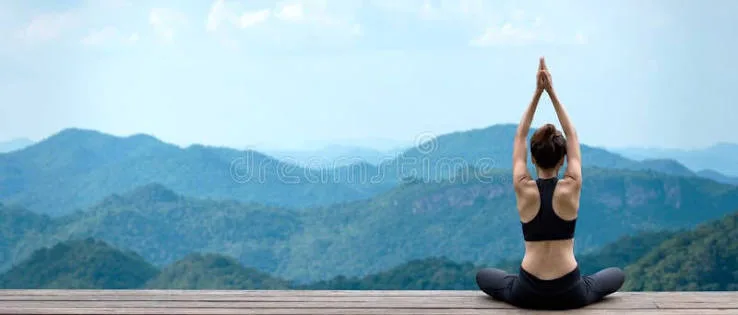
Nature can create a powerful setting for slowing down, reflecting, and reconnecting with everyday experiences. For travelers considering a spiritual retreat hawaii experience, the islands offer diverse landscapes that can complement practices such as meditation, mindful walking, journaling, and quiet reflection. However, the value of nature goes beyond beautiful scenery. In Hawaii, natural landscapes are closely connected with history, culture, community, and place.
1. Nature Creates Space to Slow Down
Modern routines often involve constant communication, work responsibilities, and digital distractions. Spending intentional time outdoors can provide an opportunity to step away from that pace.
A retreat surrounded by forests, mountains, coastlines, or other natural environments can encourage participants to spend more time observing their surroundings rather than focusing on everyday demands. Simple activities such as walking, sitting quietly, or watching the ocean can create moments for personal reflection.
The purpose is not necessarily to achieve a particular spiritual result. Instead, nature can provide a calm environment in which individuals can consider their thoughts, priorities, and intentions.
2. Hawaii's Landscapes Offer Diverse Experiences
Hawaii's islands contain a remarkable range of environments, from volcanic landscapes and rainforests to beaches, valleys, and mountains.
These different settings can support different types of retreat activities. A quiet coastal location may be suitable for meditation or journaling, while a forest trail can provide an opportunity for mindful walking.
Haleakalā National Park, for example, documents the deep relationship between Hawaiian moʻolelo, or stories, and the natural world. The National Park Service explains that nature and moʻolelo are closely embedded within Hawaiian culture.
This makes it important for visitors to appreciate Hawaii's landscapes not only for their visual beauty but also for their cultural context.
3. Nature Can Encourage Mindful Observation
Mindfulness involves paying attention to the present moment rather than becoming absorbed in distractions or automatic thoughts.
A natural environment can provide many opportunities for observation. During a retreat, participants might notice ocean sounds, changing weather, plants, birds, volcanic formations, or the movement of clouds.
These experiences can become part of simple reflective practices. For example, a participant might spend several minutes observing the surroundings without using a phone, followed by journaling about what they noticed.
The goal is not to force a particular emotional experience but to create an environment that supports attention and awareness.
4. Hawaiian Nature Has Cultural Significance
One of the most important considerations for any retreat in Hawaii is understanding that the natural environment is not separate from Hawaiian culture.
The National Park Service describes Native Hawaiian heritage as deeply connected with land and sea, including traditional knowledge related to navigation, agriculture, natural resources, spirituality, and cultural practices.
The National Park Service also recognizes cultural landscapes as places where human interaction with the physical environment contributes to their historical and cultural significance.
For retreat participants, this means nature should not simply be presented as a backdrop for personal transformation. Learning about the history and cultural significance of a place can make the experience more informed and respectful.
5. Outdoor Activities Can Complement Reflection
A retreat does not have to involve sitting quietly all day.
Depending on the programme and location, nature-based activities may include walking, hiking, observing the landscape, spending time near the ocean, or visiting culturally significant areas where access is appropriate.
The key is choosing activities that support the purpose of the retreat rather than filling every moment with sightseeing.
A thoughtfully planned schedule can combine guided practices with unstructured time. This gives participants opportunities to explore the environment while also having enough quiet time to process their experiences.
6. Nature Can Support Digital Disconnection
One practical benefit of spending time outdoors is the opportunity to reduce digital distractions.
During a retreat, participants may choose to limit unnecessary phone use, social media, email, or other digital activities. Creating periods without screens can make it easier to focus on conversations, surroundings, personal reflection, and retreat activities.
Digital disconnection does not need to mean completely abandoning technology. Phones may still be important for navigation, emergencies, communication, and other practical needs.
Instead, the focus can be on using technology intentionally rather than automatically.
7. Respect for the Environment Is Essential
Spending time in nature also creates a responsibility to protect it.
Hawaii's tourism authorities emphasize responsible travel and encourage visitors to respect the islands' natural and cultural resources. The Hawaii Tourism Authority's current work includes destination stewardship and supporting experiences that honor communities, natural resources, and Hawaiian heritage.
During a retreat, responsible behavior can include staying on designated trails, carrying out rubbish, avoiding damage to vegetation, following access restrictions, and leaving natural objects where they are.
These practices help ensure that natural areas remain available for residents, future visitors, and the ecosystems themselves.
8. Sacred and Cultural Places Require Extra Awareness
Some natural areas in Hawaii also have cultural or spiritual significance. Visitors should therefore avoid assuming that every scenic location is appropriate for meditation, ceremony, photography, or other personal practices.
The National Park Service notes that traditional Hawaiian relationships with the environment include cultural and spiritual dimensions.
Before visiting a culturally significant location, learn about its history and follow current guidance. If access is restricted, respect that boundary.
A responsible retreat provider should help participants understand the difference between appreciating a place and treating it as a resource for personal use.
9. Choose a Retreat That Values Authenticity
When selecting a retreat, look beyond photographs and promotional language.
Research the facilitator, programme structure, activities, location, and approach to Hawaiian culture. Ask whether the programme provides clear information about what participants will experience and whether cultural claims are supported by credible sources.
Hawaii's official tourism authority encourages visitors to learn about the islands' culture, values, and etiquette and promotes travel that benefits both residents and visitors.
A retreat that takes these principles seriously is more likely to provide an experience grounded in respect rather than simply using Hawaii's spiritual image as a marketing theme.
10. Make Space for Personal Reflection
Nature can be most valuable during a retreat when participants have enough time to reflect.
Instead of creating a packed itinerary, consider including periods for quiet observation, journaling, meditation, reading, or simply resting outdoors.
Personal reflection can help participants think about their priorities and what they want to carry into everyday life after the retreat.
There is no single correct way to respond to a natural environment. One person's meaningful experience may involve meditation, while another may find value in walking, writing, photography, or quiet observation.
How to Make Nature Part of a Retreat Responsibly
A meaningful nature-based retreat can follow a few simple principles:
Learn before you visit: Understand the cultural and environmental context of your destination.
Follow local guidance: Respect signs, access restrictions, permits, and instructions.
Choose activities intentionally: Select experiences that support reflection rather than creating unnecessary busyness.
Leave no trace: Avoid damaging plants, rocks, wildlife, archaeological features, or other natural and cultural resources.
Respect local communities: Remember that Hawaii is a living community, not simply a retreat destination.
Conclusion
Nature can influence a spiritual retreat in Hawaii by creating opportunities for quiet, mindful observation, personal reflection, and meaningful connection with the surrounding environment. Yet the experience becomes more responsible and authentic when visitors understand that Hawaii's landscapes also carry cultural, historical, and community significance.
Sacred Voyages recognizes the importance of creating meaningful retreat experiences while encouraging participants to approach Hawaii's natural and culturally significant places with awareness and respect. By combining intentional practices with responsible engagement, travelers can appreciate the islands without reducing their landscapes to scenery alone.
Ultimately, the most meaningful retreat may not be about finding a particular spiritual experience. It can simply be about creating enough space to slow down, listen, learn, and develop a deeper appreciation for both yourself and the place you are visiting.
Frequently Asked Questions
How Can Nature Influence a Spiritual Retreat in Hawaii?
Nature can provide a setting for meditation, mindful observation, walking, journaling, and quiet reflection. The experience varies depending on the individual and retreat programme.
What Natural Settings Can Be Part of a Retreat?
Depending on the location and programme, a retreat may include forests, beaches, mountains, valleys, volcanic landscapes, or other appropriate outdoor environments.
Is Nature Important to Hawaiian Culture?
Yes. Hawaiian heritage includes longstanding relationships with land and sea, with traditional knowledge, stories, practices, and cultural values connected to the natural environment.
Should Visitors Meditate at Sacred or Culturally Significant Locations?
Not automatically. Visitors should first understand whether the location is open to public use and follow any cultural protocols or restrictions. A culturally significant place should never be assumed to be a personal wellness space.
How Can I Practice Responsible Tourism During a Retreat?
Follow local rules, stay on permitted trails, avoid disturbing natural or cultural resources, reduce waste, respect communities, and learn about Hawaiian culture before visiting.
Can a Spiritual Retreat Replace Professional Healthcare?
No. A spiritual or wellness retreat should not be considered a substitute for qualified medical or mental-health care. Individuals with specific health concerns should seek advice from an appropriate professional.
0 comments
Log in to leave a comment.
Be the first to comment.