
How Can AI-Assisted Dental Records Help Track Changes Between Routine Visits?

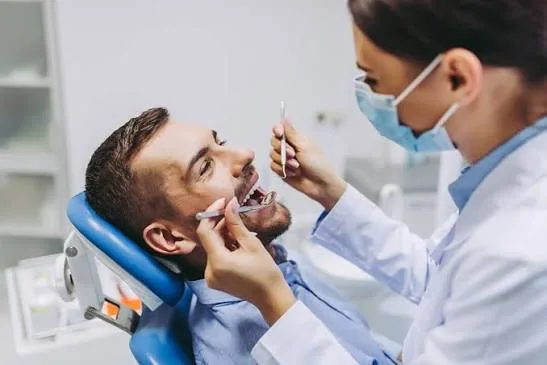
Have you ever wondered how your dentist knows whether a small dental concern is improving, staying the same, or becoming more serious over time? Many oral health changes happen gradually, making them difficult to notice between routine appointments. A tiny area of enamel wear, subtle gum recession, or a developing cavity may not cause obvious symptoms at first. Artificial intelligence (AI) is helping dental practices organize and analyze patient records, making it easier to compare findings from one visit to the next. By combining digital images, clinical notes, and diagnostic information, AI-assisted dental records can support more consistent monitoring and help dentists identify changes that deserve closer attention.
How Does AI Help Dentists Compare Dental Records?
AI-assisted dental systems can analyze information collected during dental examinations, including X-rays, intraoral photographs, periodontal measurements, and clinical notes. When these records are compared over time, software may highlight differences that could otherwise be difficult to spot.
For a Springville dentist, this technology can support the review of previous and current findings. For example, an AI tool may flag a possible change in the size of a suspicious area on an X-ray or identify differences in gum measurements. The dentist then reviews these findings, considers the patient's history, and determines whether further examination or treatment is appropriate.
AI does not replace professional judgment. Its purpose is to help organize information and draw attention to potential changes.
Which Dental Changes Can AI-Assisted Records Track?
AI tools may assist with monitoring several aspects of oral health. Depending on the software and records available, they can help dentists compare:
Tooth decay: Changes in areas that may indicate developing or progressing cavities.
Gum health: Differences in gum measurements or visible inflammation.
Tooth wear: Signs of gradual enamel loss that may be associated with grinding or other factors.
Existing dental work: Changes around fillings, crowns, and other restorations that may need evaluation.
Bone levels: Differences between dental X-rays that could suggest changes requiring further assessment.
These comparisons can be particularly helpful during general dentistry springville appointments, when preventive examinations establish a baseline for future visits. However, AI findings are estimates that require clinical interpretation, and not every highlighted difference indicates a dental problem.
How Can AI Improve Communication Between Dental Visits?
Dental records are more useful when patients understand what has changed and why it matters. AI-assisted systems may help dentists present comparisons using annotated images, timelines, or summaries of previous findings.
For example, if a dentist notices increased tooth wear, showing images from two appointments may help explain the change. Patients can better understand recommendations for monitoring, protective appliances, or additional diagnostic testing.
A Springville dentist may also use organized digital records to support continuity of care when treatment plans involve multiple visits. Having accessible, well-maintained records can make it easier to review previous concerns and explain the reasoning behind a recommendation.
Does AI Make Routine Dental Visits More Accurate?
AI can help clinicians review large amounts of information and identify patterns, but its effectiveness depends on image quality, accurate records, and the software being used. Different imaging equipment or changes in image positioning may also affect comparisons.
Dentists must verify AI-generated observations before making decisions. They also consider symptoms, examination results, medical history, and other relevant factors. An AI system may miss a problem or flag an area that turns out to be harmless.
Regular appointments remain essential because some dental conditions develop without noticeable symptoms. AI can support the process, but it cannot guarantee that every issue will be detected.
How Does AI Support Preventive General Dentistry?
Preventive care focuses on identifying potential problems early and helping patients maintain healthy teeth and gums. When used responsibly, AI-assisted records can make changes easier to review and document across routine visits.
During general dentistry Springville appointments, dentists can combine these records with professional examinations, cleaning recommendations, and personalized home-care guidance. Patients may receive clearer explanations about why a concern needs monitoring or why a treatment recommendation has changed.
AI-assisted dental records offer a promising way to support long-term oral health monitoring. By helping dentists compare findings and communicate changes, this technology can strengthen preventive care while keeping clinical expertise and patient needs at the center of every decision.
0 comments
Log in to leave a comment.
Be the first to comment.