
From Mission Gardens to Heritage Orchards: Exploring California's Agricultural History
Discover California Mission Heritage through historic gardens, orchards, traditional crops, irrigation methods, and California's agricultural history.

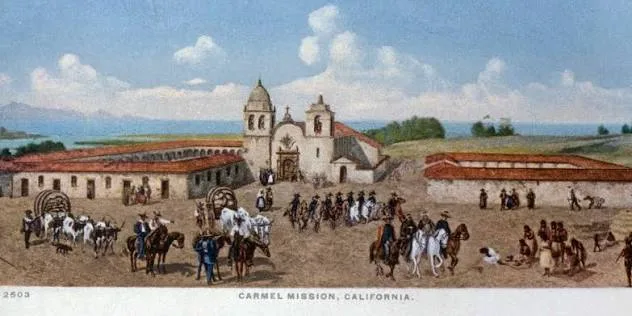
California's agricultural landscape has a long history that extends well beyond its famous vineyards, citrus groves, and commercial farms. Historic mission gardens and orchards offer a glimpse into the farming practices that developed during the Spanish mission period of the 18th and early 19th centuries. From fruit trees and vegetable plots to irrigation channels and cultivated fields, these landscapes provide valuable insights into the relationship between agriculture, architecture, and daily life in early California.
For history enthusiasts and cultural travelers, exploring these sites is an opportunity to discover how traditional farming methods helped shape the region's agricultural identity.
The Origins of California's Mission Gardens
The establishment of Mission San Diego de Alcalá in 1769 marked the beginning of California's Spanish mission network. Over the following decades, 21 missions were established along the California coast, each developing its own agricultural practices according to local conditions.
Mission gardens and fields supplied food for the communities associated with these settlements. Crops such as wheat, corn, beans, and vegetables formed part of agricultural production, while suitable locations supported fruit trees, grapevines, and olive trees.
These farming activities required planning, land preparation, and access to reliable water. Agricultural work also involved the knowledge and labor of Indigenous Californians, whose communities had long-standing relationships with the region's plants, soils, and seasonal cycles.
Today, studying these early agricultural systems helps visitors understand an important chapter of California Mission Heritage and the development of farming traditions throughout the state.
Crops That Shaped Early California Agriculture
The introduction and cultivation of European crops influenced the agricultural landscape surrounding many missions. Grapes, olives, figs, and other fruit varieties became associated with mission gardens and orchards, although the crops grown at individual locations depended on climate, soil quality, and water availability.
Grapevines were particularly significant because they supported early winemaking activities. Olive trees provided fruit for food and oil production, while orchards supplied seasonal produce. Vegetable gardens complemented these crops by providing additional food for daily consumption.
Not every mission produced the same agricultural output. Some locations benefited from favorable growing conditions and access to water, while others faced environmental limitations.
The development of these gardens illustrates how agricultural practices adapted to California's varied landscapes. Their history also provides useful context for understanding how crops and cultivation methods introduced during the mission era became part of the state's broader farming story.
Irrigation and Traditional Farming Methods
Water management was essential to agriculture in many parts of California. Mission communities developed irrigation systems to direct water toward cultivated fields and gardens, with some locations using channels, reservoirs, and related infrastructure to support production.
The design of these systems depended on local geography and water sources. Where conditions permitted, irrigation helped maintain crops through periods of limited rainfall. Other agricultural areas relied more heavily on seasonal precipitation and the natural availability of water.
Visitors exploring surviving mission grounds may encounter remnants of irrigation channels, wells, or other water-management features. These structures offer clues about how people organized agricultural production before modern irrigation technology became widespread.
Understanding these systems also highlights the practical challenges faced by early farmers. Soil conditions, seasonal weather, water supply, and crop selection all influenced agricultural success.
Gardens as Part of Mission Architecture
Mission gardens were not simply areas for growing food. Their arrangement often reflected the practical needs and architectural layout of the surrounding settlement.
Courtyards, enclosed garden spaces, cultivated plots, and nearby orchards could form part of the mission environment. Depending on the site, visitors may find shaded walkways, historic walls, planted courtyards, or landscaped grounds that illustrate the relationship between buildings and outdoor spaces.
Some gardens visible today have been restored or replanted, so their present appearance may not precisely reproduce their original historical condition. Interpretive displays and historical records can help visitors distinguish preserved architectural features from later landscaping.
For anyone interested in California Mission Heritage, these details provide a more complete understanding of how mission grounds functioned as agricultural, residential, and institutional spaces.
Erasing America's History: Why Historical Preservation Matters
Preserving historic agricultural sites helps communities retain a tangible connection to the past. Buildings, orchards, irrigation structures, and archaeological remains can provide evidence of how people lived, worked, cultivated crops, and adapted to their surroundings.
The phrase Erasing America's History highlights a broader concern about losing access to historical places and records. Preservation efforts help address this concern by maintaining important landmarks, documenting changes, and making historical information available to future generations.
Accurate interpretation is equally important. Mission sites developed over different periods, and their surviving features may reflect several stages of construction, restoration, and use. Historical markers, museum collections, archival documents, and knowledgeable guides can help visitors understand these distinctions.
Preserving these places does not require reducing their history to a single narrative. Instead, careful research and accessible interpretation allow visitors to learn about the people, agricultural practices, and changing circumstances associated with each location.
Where to Explore California's Mission Heritage
Several historic missions offer opportunities to explore California's architectural and agricultural past.
Mission San Juan Capistrano: Known for its historic structures, gardens, and landscaped grounds, this site provides insight into the development of the mission settlement and its surrounding environment.
Mission Santa Barbara: Often recognized for its distinctive architecture and extensive grounds, the mission offers visitors an opportunity to learn about its history and place in California's mission network.
Mission San Diego de Alcalá: As the first of the California missions, it provides historical context for understanding the origins of the mission system and its subsequent development.
Before visiting, travelers can check official site information for current opening hours, exhibits, guided tours, and available historical displays. Exploring these locations with attention to their agricultural features can make a visit more informative than focusing on architecture alone.
Discovering the Lasting Agricultural Legacy
California's mission gardens and orchards represent an important part of the state's agricultural history. They demonstrate how crop selection, irrigation, environmental conditions, and settlement patterns influenced farming practices during the mission period.
These landscapes also connect visitors with the broader evolution of California agriculture, which continued to change through subsequent periods of settlement, technological development, and commercial expansion.
Whether examining an old irrigation channel, learning about historic grape cultivation, or walking through a restored courtyard, visitors can discover details that bring the past into focus.
Exploring California Mission Heritage through historic gardens and orchards offers a practical way to understand the state's agricultural development while appreciating the importance of preserving historical landmarks. By learning from reliable records and visiting well-maintained sites, readers can gain a deeper appreciation of the places and practices that helped shape California's landscape.
0 comments
Log in to leave a comment.
Be the first to comment.