
Firearm Safety Course in Pennsylvania: Essential Skills for Responsible and Safer Gun Ownership

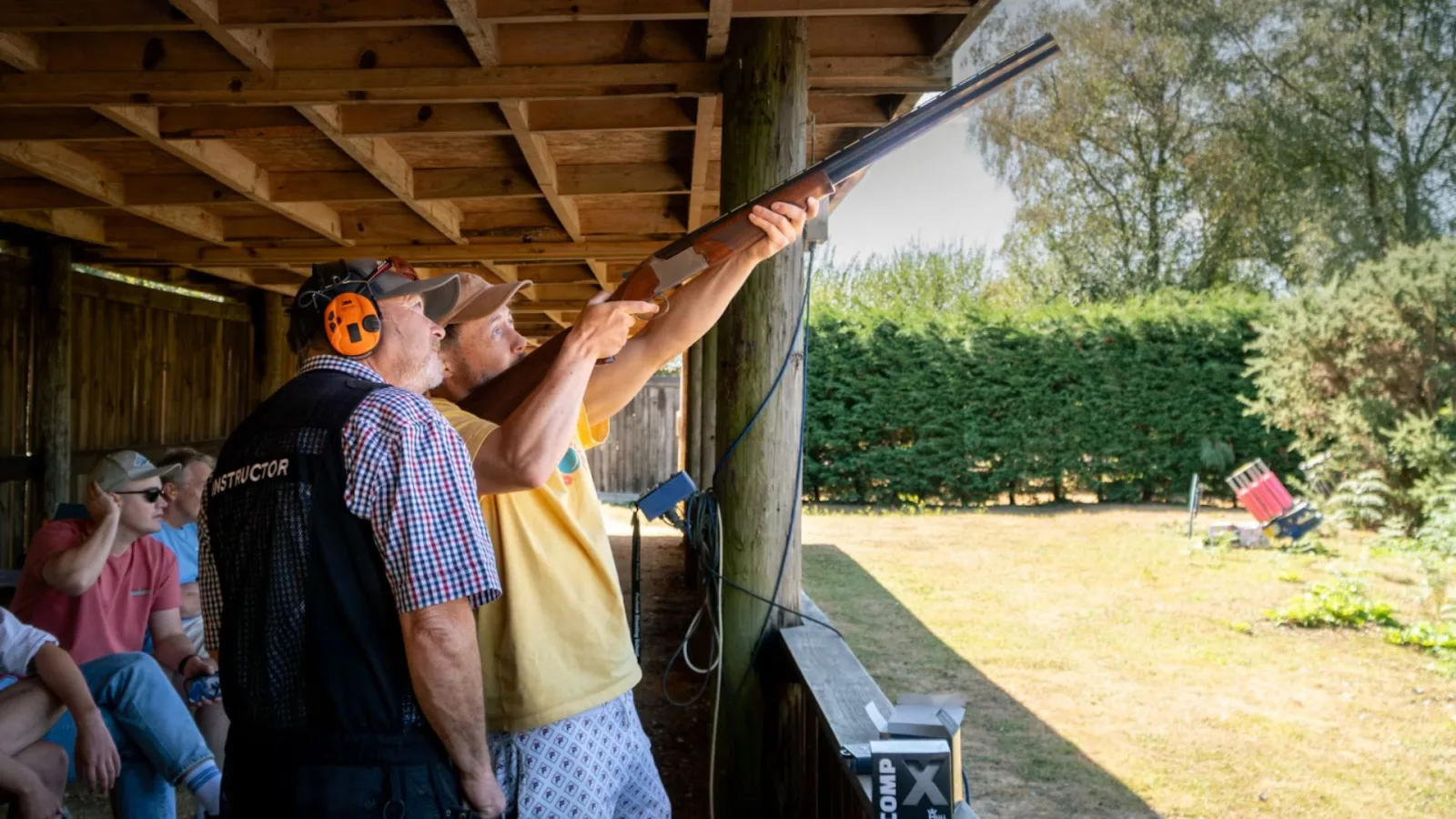
Responsible firearm ownership begins with understanding safety, awareness, and proper handling practices. In Pennsylvania, firearm education plays an important role in helping individuals recognize potential risks and make informed decisions about firearm ownership. A Firearm Safety Course can introduce essential safety principles, responsible storage practices, and the importance of following applicable firearm laws. Whether someone is a first-time firearm owner or wants to improve their existing knowledge, online education can provide a convenient way to learn important safety information.
Why Is Firearm Safety Education Important in Pennsylvania?
Firearm safety education is about more than understanding how firearms work. It involves developing responsible habits that help protect individuals, families, and communities. Improper handling, unsecured storage, and a lack of awareness can create serious safety risks.
Pennsylvania residents can benefit from learning essential firearm safety practices before handling or storing a firearm. Educational programs encourage individuals to understand their responsibilities, recognize unsafe situations, and make thoughtful decisions.
A structured educational experience can also help participants become more familiar with basic firearm safety guidelines and the importance of preventing unauthorized access.
What Topics Should a Firearm Safety Course Cover?
A quality educational program should introduce important topics that support responsible firearm ownership. Some essential learning areas include:
1. Basic Firearm Safety Rules
Understanding fundamental safety rules is essential for anyone around firearms. Participants should learn to treat every firearm as loaded, maintain a safe muzzle direction, keep fingers away from the trigger until appropriate, and remain aware of their surroundings.
2. Safe Storage Practices
Proper storage helps prevent unauthorized access, accidental injuries, and other dangerous situations. Firearms should be secured in appropriate locked storage, such as a gun safe or lockbox. Ammunition should also be stored securely and separately.
3. Understanding Firearm Responsibilities
Firearm ownership comes with important personal and legal responsibilities. Participants should understand the importance of following federal, state, and local regulations concerning firearm possession, transportation, and use.
4. Recognizing Potential Safety Risks
Learning to identify unsafe environments and potentially dangerous situations is another important part of firearm education. Awareness can encourage individuals to take preventive steps and avoid unnecessary risks.
5. Protecting Children and Families
Households with children require additional attention to firearm security. Adults should keep firearms inaccessible to children, use appropriate locking devices, and explain that firearms should never be touched without proper adult supervision.
Benefits of Choosing Online Firearm Education
Online education has become a convenient option for individuals who want to improve their knowledge without attending traditional classroom sessions. A PA State Gun Safety Course Online can provide access to educational materials through an internet-connected device.
Some potential benefits include:
Flexible Learning: Participants can review educational materials according to their available schedules.
Convenient Access: Online learning allows individuals to study from home or another suitable location.
Self-Paced Education: Learners can spend additional time reviewing important safety concepts.
Better Awareness: Educational content can help participants understand responsible firearm ownership.
Accessible Information: Digital lessons make important educational resources easier to review.
However, online education does not automatically replace practical instruction, supervised range training, or hands-on demonstrations. Individuals seeking practical firearm handling experience should consider instruction from a qualified firearms instructor.
Understanding Firearms Safety Training Options
Different educational opportunities are available to individuals interested in learning about responsible firearm ownership. A Firearms Safety Training Course may introduce basic safety awareness, storage responsibilities, firearm-related laws, and preventive practices.
When comparing Certified Firearms Safety Courses, participants should carefully review the provider's qualifications, course content, instructor credentials, and any certificate requirements. The word certified should not be assumed to mean that every online program has government approval or qualifies for a particular legal purpose.
A Firearms And Safety Course can also help learners understand how personal responsibility contributes to safer environments. Before enrolling, individuals should identify their learning objectives and determine whether they need general educational awareness or formal instructor-led training.
How to Choose the Right Online Firearm Education Program
Selecting an appropriate educational program requires careful consideration. Not every course provides the same learning experience, and requirements may vary depending on the purpose of enrollment.
Consider these important factors before choosing a program:
Course Content: Review the subjects covered and make sure they address essential firearm safety principles.
Learning Format: Check whether the program offers online lessons, self-paced access, or instructor-supported education.
Provider Information: Review the provider's background, educational approach, and available course details.
Completion Documentation: Understand whether a certificate is provided and what it actually represents.
Acceptance Requirements: If a court, employer, licensing agency, or another organization requires training, obtain approval before enrolling.
These steps can help individuals avoid choosing a program that does not meet their particular educational or documentation needs.
Building a Culture of Responsible Firearm Ownership
Firearm safety is an ongoing responsibility rather than a one-time learning activity. Individuals should regularly review safety principles, maintain appropriate storage practices, and stay informed about relevant regulations.
Pennsylvania residents can also explore official firearm safety resources provided by the Pennsylvania State Police. These resources explain fundamental handling and storage principles that encourage responsible ownership.
Families can contribute to safer communities by keeping firearms secured, preventing unauthorized access, and teaching children to stay away from firearms they encounter.
Final Thoughts
Responsible firearm ownership requires knowledge, awareness, and consistent attention to safety. Learning through an online educational program can help individuals understand important principles, explore safe storage practices, and recognize their responsibilities. However, participants should remember that general online education is not automatically equivalent to hands-on firearm training or an officially recognized certification.
If you want to improve your understanding of firearm safety and responsible ownership, explore the Firearm Safety Course offered by E-Courses For Court. Review the course details, learning requirements, and completion information to determine whether the program meets your educational needs. Take the next step toward informed and responsible firearm education with E-Courses For Court Pennsylvania.
0 comments
Log in to leave a comment.
Be the first to comment.