
Exploring the Future: Mobile Gaming Trends Shaping the Industry in 2026

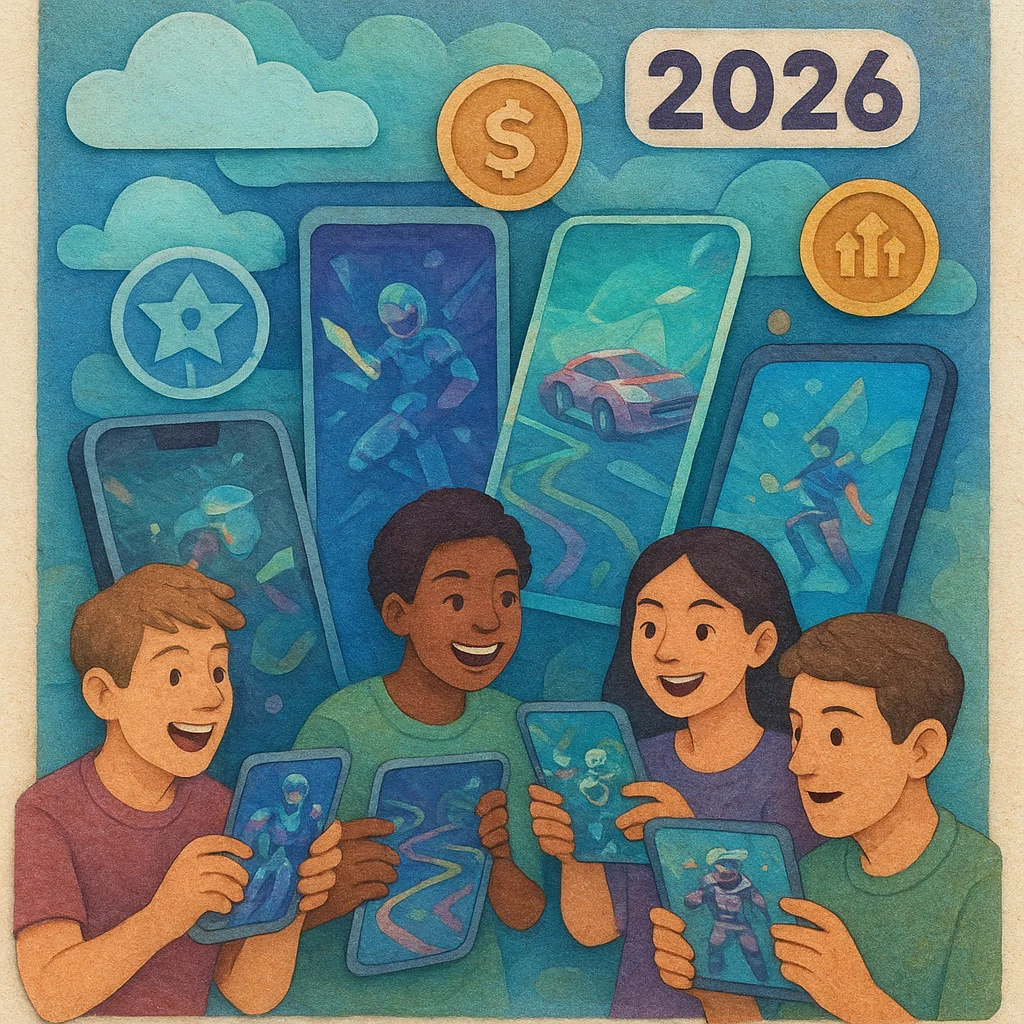
The Evolution of Mobile Gaming: Setting the Stage for 2026
Mobile gaming has undergone a remarkable transformation over the past decade, evolving from simple puzzles and casual games into a vast ecosystem that rivals traditional console and PC gaming. As we navigate through 2026, the mobile gaming industry continues to redefine how games are played, monetized, and integrated into our daily entertainment habits. The sheer scale of growth, technological advancements, and shifts in player preferences are shaping an exciting new era for mobile gamers worldwide.
This comprehensive analysis explores the most significant trends currently driving the mobile gaming market, unpacking the factors that are influencing game design, monetization strategies, and user engagement. Along the way, we will link to related insights from Froodl’s extensive coverage, including the Mobile Gaming Trends Redefining Play and Monetization and Mobile Gaming Revolutionizes Entertainment Habits Across Canada, to provide further context and depth.
1. The Rise of Cloud Gaming and Streaming Services on Mobile
One of the most groundbreaking shifts in mobile gaming is the integration of cloud gaming technologies. Cloud gaming allows players to stream high-quality games directly to their mobile devices without the need for expensive hardware or large storage capacity. This has lowered the entry barriers for many players and enabled access to AAA titles previously exclusive to consoles and PCs.
Major technology companies have expanded their cloud gaming platforms to focus heavily on mobile compatibility. Services such as Google Stadia, NVIDIA GeForce NOW, and Xbox Cloud Gaming have optimized streaming quality for mobile networks, including 5G, enabling seamless gameplay with minimal latency. This shift has resulted in a surge of interest in premium gaming experiences on smartphones and tablets.
Cloud gaming also influences game development strategies. Developers can now create more graphically intensive games without worrying about device limitations, expanding the scope and variety of mobile gaming content. This trend aligns well with the demand for immersive experiences, contributing to the growing appeal of mobile as a serious gaming platform.
2. The Expansion of Skill-Based Mobile Games
As mobile gaming matures, there is a notable emphasis on skill-based gameplay that rewards player mastery rather than luck or random chance. This shift has been driven by the rise of competitive gaming on mobile, where players seek fair challenges and opportunities to prove their abilities.
Skill-based games span genres such as strategy, real-time multiplayer battles, puzzle-solving, and sports simulations. These games often incorporate ranked matchmaking, tournaments, and leaderboards to foster competitive communities. The trend is attracting both casual players looking for engaging content and hardcore gamers seeking competition on a portable platform.
The increasing popularity of skill-based games is also shaping monetization approaches. Unlike traditional pay-to-win models, these games often monetize through cosmetic items, season passes, and entry fees for tournaments, creating a more balanced and player-friendly ecosystem. For an in-depth look at this evolution, Froodl’s article How Skill-Based Mobile Games Are Changing the Way We Play offers a detailed exploration of this trend.
3. Integration of Augmented Reality (AR) and Mixed Reality (MR)
Augmented reality has become a staple in mobile gaming, offering unique interactive experiences that blend digital content with the physical world. Since the success of early AR games, developers have pushed the boundaries by combining AR with mixed reality features to create immersive environments that respond to real-world contexts.
Games leveraging AR and MR technologies encourage exploration, social interaction, and physical activity, appealing to a wide demographic. The integration of these technologies has been enhanced by advances in mobile hardware, including more powerful processors, advanced cameras, and improved sensors.
Looking forward, we expect AR and MR to become more sophisticated, incorporating AI-driven NPCs, richer storylines, and enhanced social features. These experiences will continue to redefine what mobile gaming can offer beyond the screen.
4. Social and Community Features Driving Engagement
In 2026, mobile games are more social than ever. Developers are emphasizing community-building tools such as in-game chat, guilds, clans, and cooperative multiplayer modes to keep players connected. This social aspect not only increases player retention but also drives organic growth through word-of-mouth and shared experiences.
Live events, seasonal updates, and collaborative challenges encourage players to engage regularly, fostering a vibrant player ecosystem. Additionally, the integration of social media platforms into mobile games enables easy sharing of achievements and gameplay highlights, further blurring the lines between gaming and social networking.
These trends underscore the importance of community in modern mobile gaming, where the game itself is just part of a larger social experience.
5. Monetization Models: Balancing Profitability and Player Satisfaction
Monetization remains a critical challenge and opportunity for mobile game developers. The industry has moved away from aggressive pay-to-win mechanics toward more player-friendly approaches that balance profitability with user satisfaction.
Freemium models, where the game is free to play with optional in-app purchases, dominate the market. However, successful games differentiate themselves by offering meaningful content and value in their paid offerings, such as skins, battle passes, and expansions. Subscription models and ad-supported games continue to grow, with some developers experimenting with hybrid approaches to maximize revenue streams.
Understanding player preferences and avoiding intrusive monetization tactics has become essential to maintaining long-term engagement and positive brand reputation. This evolution is well documented in Froodl’s comprehensive coverage of mobile gaming monetization trends in the article Mobile Gaming Trends Redefining Play and Monetization.
6. The Impact of 5g and Network Improvements
The widespread adoption of 5G networks has been a game-changer for mobile gaming. Faster speeds, lower latency, and improved network reliability enable new gameplay possibilities, including real-time multiplayer, cloud gaming, and AR experiences that were previously limited by bandwidth constraints.
With 5G, developers can push the limits of graphics quality, multiplayer scale, and interactive features. Players benefit from smoother gameplay, quicker downloads, and more stable connections, all of which contribute to higher satisfaction and longer play sessions.
Network improvements also facilitate the use of emerging technologies such as edge computing, which reduces data transmission delays by processing information closer to the user. This synergy between hardware, software, and network infrastructure is a cornerstone of mobile gaming’s future.
7. Mobile Gaming’s Cultural and Demographic Expansion
The accessibility of mobile gaming has broadened the player base significantly. Today’s mobile gamers include diverse age groups, professions, and geographic regions. This democratization of gaming has led to more varied content that caters to different tastes and cultural contexts.
In markets like Canada, mobile gaming has become a dominant form of entertainment, influencing lifestyle and social habits. Developers are increasingly tailoring games to regional preferences, languages, and social norms, recognizing the importance of cultural relevance.
Froodl’s article Mobile Gaming Revolutionizes Entertainment Habits Across Canada provides an insightful look at how mobile gaming is reshaping cultural landscapes and entertainment consumption patterns.
8. Esports and Competitive Mobile Gaming’s Ascendancy
Esports on mobile platforms has grown exponentially, with tournaments drawing millions of viewers and substantial prize pools. Mobile esports titles range from battle royales and MOBAs to fighting games and strategy competitions.
The accessibility of mobile devices allows more players to participate and spectate, expanding the competitive scene beyond traditional PC and console boundaries. Professional mobile esports leagues are now established globally, supported by sponsors, broadcasters, and dedicated fan communities.
This growth is influencing game design, with developers incorporating spectator modes, replay features, and robust anti-cheat systems to support professional play.
9. Advances in Artificial Intelligence and Personalization
Artificial intelligence (AI) is playing an increasingly prominent role in mobile gaming, enhancing everything from NPC behavior to personalized content delivery. AI-driven adaptive difficulty systems tailor challenges to individual player skill levels, keeping games engaging without causing frustration.
Machine learning algorithms analyze player behavior to recommend in-game purchases, events, and social activities that align with preferences. This personalization improves user experience and monetization outcomes.
Moreover, AI is used in procedural content generation, enabling games to offer fresh experiences with each play session, increasing replayability and longevity.
10. Sustainability and Ethical Considerations in Mobile Gaming
As mobile gaming expands, there is growing awareness of sustainability and ethical issues. Developers and platforms are increasingly focused on reducing energy consumption, promoting digital wellbeing, and ensuring fair monetization practices.
Efforts include optimizing games for lower battery usage, incorporating parental controls, and implementing transparent in-app purchase policies to protect vulnerable players. Additionally, there is a push for diversity and inclusivity in game content and community management.
These considerations are shaping industry standards and influencing player expectations, making ethical gaming a key aspect of mobile gaming’s future landscape.
Conclusion: Embracing a Dynamic and Inclusive Mobile Gaming Future
The mobile gaming industry in 2026 stands at the intersection of technological innovation, evolving player demands, and cultural shifts. From the rise of cloud gaming and skill-based competitions to the integration of AR and AI-driven personalization, mobile gaming continues to push boundaries and expand its reach.
Developers and stakeholders who embrace these trends while prioritizing player experience and ethical standards are well-positioned to thrive in this dynamic environment. For those interested in exploring more about how mobile gaming is transforming entertainment, Froodl’s extensive resources, including the articles Mobile Gaming Trends Redefining Play and Monetization and Mobile Gaming Revolutionizes Entertainment Habits Across Canada, offer valuable perspectives and analyses.
As mobile devices continue to be integral to our lives, the future of gaming looks more interactive, connected, and inclusive than ever before.
0 comments
Log in to leave a comment.
Be the first to comment.