
Exploring Dry Electrode Processing Service for Lithium-Ion Battery Research

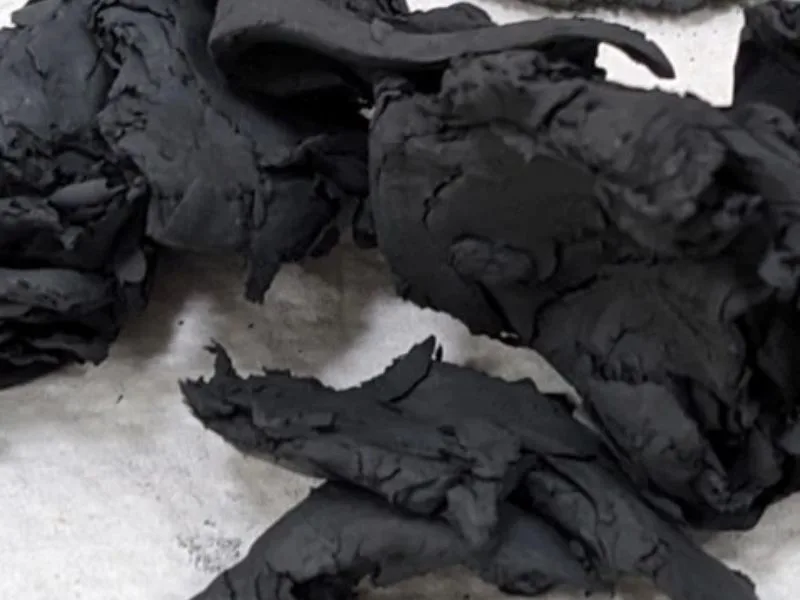
The battery industry is continuously developing new technologies to meet the growing demand for electric vehicles, renewable energy storage, and modern electronic devices. Researchers and manufacturers are exploring better ways to produce battery electrodes while improving manufacturing efficiency and material performance. One important area of interest is dry electrode technology. A dry electrode processing service can support research and development teams that want to explore electrode manufacturing without relying on traditional solvent-based methods. Ampcera focuses on advanced battery materials and solutions that support next-generation battery research. Understanding dry electrode processing, its potential benefits, and its technical challenges can help researchers make informed decisions about future battery development.
What Is Dry Electrode Processing?
Dry electrode processing is a method of preparing battery electrodes without using the conventional liquid solvents commonly found in traditional electrode manufacturing. Instead of creating a liquid slurry, the process uses dry active materials, conductive additives, and binders to form an electrode layer.
In conventional manufacturing, electrode materials are mixed with a solvent to create a slurry. This slurry is then coated onto a current collector and dried to remove the solvent. Dry processing takes a different approach by reducing or eliminating the need for this solvent-based coating and drying process.
A dry electrode processing service may be useful for battery developers who want to explore alternative manufacturing methods, prepare experimental electrodes, or study different material combinations.
Why Is Dry Electrode Technology Important?
Battery manufacturing involves several steps, and electrode production is one of the most important. The quality and structure of an electrode can influence battery performance, consistency, and manufacturing requirements.
Dry electrode technology is attracting attention because it offers a different approach to conventional electrode production.
Some potential advantages include:
Reduced solvent use: Dry processing can avoid the need for conventional slurry solvents.
Simplified processing: It may reduce or eliminate certain solvent-handling and drying stages.
Manufacturing opportunities: Researchers can explore alternative electrode production methods.
Material flexibility: Different active materials and binder systems can be investigated.
Process development: Manufacturers can study new ways to prepare electrode layers.
These advantages depend on the specific process, materials, and equipment. Dry processing is not automatically better for every battery chemistry or manufacturing application.
How Does Dry Electrode Processing Work?
Dry electrode manufacturing can involve different methods depending on the material formulation and equipment. One common approach uses dry mixing followed by a process that creates a cohesive electrode layer.
1. Material Selection
The first step is selecting suitable battery materials. These may include cathode or anode active materials, conductive additives, and binders.
Each component has a specific role. Active materials store and release lithium ions, conductive additives help create electrical pathways, and binders help hold the electrode structure together.
2. Dry Mixing
The selected materials are mixed without preparing a conventional solvent-based slurry. The mixing process must distribute the components evenly.
Proper mixing is important because uneven material distribution can affect electrode consistency and performance.
3. Electrode Film Formation
After mixing, the material may undergo processing to form a cohesive film or electrode layer. Depending on the technology, this can involve pressure, rolling, or other specialized methods.
A dry electrode processing service can be relevant when research teams need support in exploring these manufacturing steps and evaluating different electrode formulations.
4. Current Collector Integration
The prepared electrode layer may then be integrated with a suitable current collector. The connection between the electrode material and current collector is important for electrical performance and mechanical stability.
5. Testing and Evaluation
The final electrode can be evaluated for thickness, density, adhesion, electrical properties, and other relevant characteristics. Further cell-level testing may be required to understand its electrochemical performance.
What Materials Are Used in Dry Electrode Manufacturing?
Material selection plays a major role in successful electrode development. Different battery chemistries require different active materials and processing conditions.
Common material categories include:
Cathode materials: NMC and other lithium-based active materials.
Anode materials: Graphite and other materials studied for lithium storage.
Conductive additives: Materials that help improve electrical conductivity.
Binders: Components that help maintain electrode structure.
Current collectors: Metal substrates used to collect electrical current.
The compatibility of these materials must be evaluated before selecting a manufacturing process.
Benefits for Battery Research and Development
Dry electrode processing offers researchers an opportunity to investigate new manufacturing approaches. It can also help teams understand how material formulation and processing conditions affect electrode structure.
Reduced Dependence on Solvents
Traditional electrode production often requires solvents and additional drying equipment. Dry processing can reduce the need for these steps, depending on the selected technology.
This is one reason manufacturers are studying alternative electrode production methods.
New Manufacturing Possibilities
Dry processing encourages research into different binder systems, material combinations, and electrode structures. These developments may create new opportunities for battery manufacturing.
Process Optimization
Researchers can compare different mixing methods, pressure conditions, and film-forming techniques. Such studies help identify suitable processing conditions for specific materials.
Challenges to Consider Before Choosing a Service
Although dry electrode technology has several potential advantages, it also presents technical challenges. Researchers should understand these factors before starting a project.
Important considerations include:
Powder distribution: Achieving consistent mixing can be challenging.
Binder performance: The binder must provide suitable strength and flexibility.
Electrode adhesion: The electrode layer must remain properly attached to the current collector.
Thickness control: Consistent electrode thickness is important for reliable testing.
Equipment requirements: Specialized processing equipment may be necessary.
Material compatibility: Not every active material works equally well with every dry processing method.
A suitable dry electrode processing service should be evaluated based on its equipment, material compatibility, process capabilities, and project requirements.
How Ampcera Connects With Advanced Battery Research?
Ampcera focuses on advanced battery materials and technologies related to next-generation energy storage. Its work is relevant to researchers, battery developers, and organizations exploring solid-state battery materials and electrode technologies.
Dry electrode processing is an important research area because it offers an alternative to conventional slurry-based electrode manufacturing. Researchers investigating this approach may also be interested in advanced cathode materials, solid electrolytes, and other battery components.
When considering a dry electrode processing service, it is important to confirm the exact capabilities available for a project. Researchers should discuss the required electrode chemistry, sample dimensions, material specifications, and processing goals with the service provider.
You can explore Ampcera's website to learn about its advanced battery material focus and contact the company to confirm current service availability and technical requirements.
How to Select the Right Dry Electrode Processing Support?
Selecting the right processing partner requires more than comparing service prices. Technical knowledge, equipment capabilities, and material handling are also important.
Before starting a project, consider these points:
Define your requirements: Identify the electrode chemistry and intended application.
Check equipment capabilities: Confirm the available processing methods and sample sizes.
Discuss materials: Share information about active materials, binders, and conductive additives.
Review quality controls: Ask how thickness, density, and consistency are evaluated.
Understand project scope: Confirm whether mixing, film formation, and current collector integration are included.
Discuss testing needs: Clarify whether additional electrode or cell-level evaluation is available.
These steps can help researchers choose suitable processing support and avoid misunderstandings during development.
Frequently Asked Questions
What Is the Main Purpose of Dry Electrode Processing?
Its main purpose is to prepare battery electrodes without relying on conventional solvent-based slurry processing. It offers an alternative approach to electrode manufacturing.
Is Dry Electrode Processing Suitable for Lithium-Ion Batteries?
Yes, it is an active area of lithium-ion battery research. Its suitability depends on the electrode chemistry, binder system, equipment, and manufacturing conditions.
Can Dry Electrode Technology Reduce Manufacturing Steps?
It may reduce or eliminate certain solvent-handling and drying steps. However, the complete process still requires suitable mixing, forming, and quality-control stages.
How Do I Find a Suitable Dry Electrode Processing Service?
Look for technical capabilities that match your material composition, sample size, processing requirements, and testing goals. Confirm the exact services available before beginning your project.
Conclusion
Dry electrode technology is an important area of development in modern battery manufacturing. Its potential to reduce solvent use and introduce alternative electrode production methods makes it valuable for research and industrial exploration. However, successful results depend on material selection, binder performance, equipment, and process control.
Choosing a dry electrode processing service requires careful consideration of technical requirements and project goals. Ampcera's focus on advanced battery materials makes it a relevant company to explore when learning about next-generation battery technologies. Contact Ampcera to discuss your research interests, explore available material solutions, and understand which options may support your battery development work.
0 comments
Log in to leave a comment.
Be the first to comment.