
Essential Property Maintenance Tips to Prevent Rat Infestations

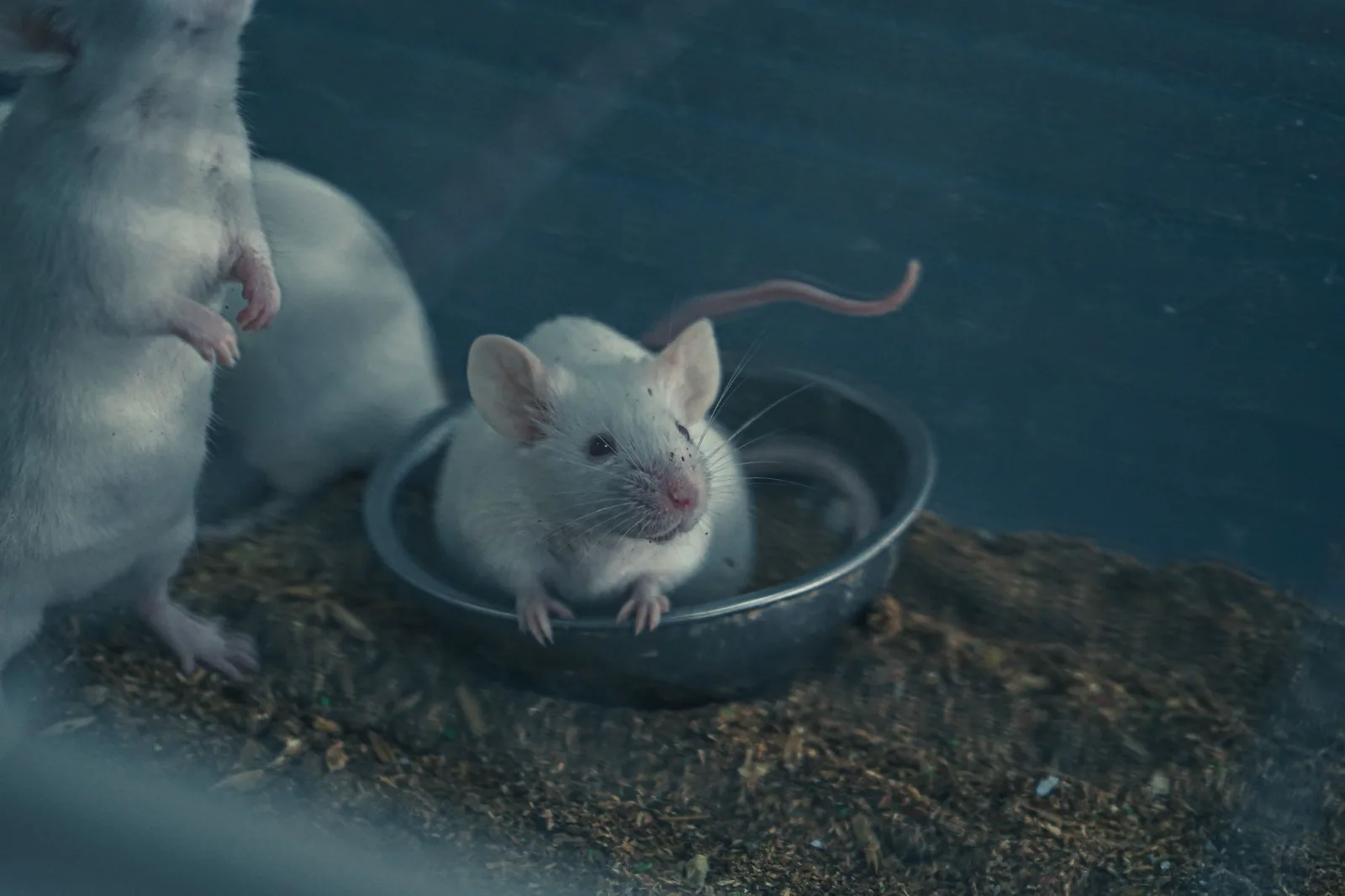
Maintaining a property involves more than keeping indoor spaces clean and organised. External structures, gardens, storage areas and drainage points can all influence the likelihood of rodent activity. Rats often search for places that provide easy access to food, water and secure shelter. Rats Removal Melbourne understands the importance of identifying these conditions and helping property owners take appropriate steps towards prevention. Professional rat removal Cranbourne solutions can help address existing rodent concerns while supporting better protection for homes and commercial buildings.
Why Regular Property Maintenance Matters
Poorly maintained properties can provide several opportunities for rats to establish nesting areas. Damaged roof sections, loose doors, broken vents and gaps around plumbing connections may allow rodents to enter buildings.
Outdoor clutter can also create suitable hiding locations. Unused equipment, timber piles, discarded containers and accumulated garden waste may provide shelter close to residential structures.
Regular maintenance helps property owners identify these problems before they develop into more significant concerns. Checking the condition of external walls, fences, sheds and roof edges should form part of a routine property inspection.
Keeping these areas in good condition can reduce potential access points and make it easier to notice unusual rodent activity.
Maintaining Gardens to Reduce Rodent Shelter
Gardens can become attractive to rats when vegetation is overgrown or outdoor materials are left unattended. Dense shrubs, fallen leaves and piles of branches may provide sheltered spaces where rodents can hide.
Homeowners should regularly trim plants near external walls and remove unnecessary garden waste. Fallen fruit should be collected promptly, particularly around fruit trees, as it can become an accessible food source.
Firewood and timber should be stored neatly and raised off the ground where practical. Garden sheds should also be inspected for gaps around doors, damaged panels and openings beneath their structures.
These maintenance activities help reduce the number of sheltered locations available to rodents while improving the overall condition of outdoor spaces.
Keeping Food and Waste Secure
Accessible food is one of the main reasons rats remain around residential and commercial properties. Food scraps, pet food and unsecured rubbish can attract rodents even when the surrounding area appears clean.
Household rubbish should be placed in bins with tightly fitting lids. Outdoor waste storage areas should be maintained regularly, and spills should be cleaned promptly.
Inside the home, dry groceries should be stored in sealed containers rather than left in open packets. Kitchen cupboards, pantry shelves and food preparation surfaces should be cleaned to remove crumbs and residue.
Pet food requires similar attention. Uneaten food should be removed rather than left outdoors overnight. These small changes can reduce feeding opportunities and make the property less attractive to rodents.
Identifying Potential Entry Points
Rats can enter buildings through openings around doors, windows, roof edges and utility connections. Even relatively small gaps may provide access, depending on the rodent's size and the condition of the opening.
Property owners should inspect external walls, ventilation covers, damaged roof tiles and spaces around pipes. Garage doors should close properly, while damaged weather seals should be repaired where appropriate.
Drainage and sewer-related access points may also require attention when investigating recurring rodent activity. Any suspected structural issue should be assessed before suitable repairs are carried out.
Residents experiencing recurring problems can consider rat control Camberwell to investigate possible entry routes and identify suitable management measures. A property assessment can help determine whether rodents are entering through structural gaps, nesting nearby or accessing available food sources.
The Importance of Checking Roof Spaces
Roof cavities are often overlooked during everyday cleaning because they are difficult to access. However, these enclosed spaces can provide ideal shelter for rats.
Rodents may enter through damaged roof materials, gaps near eaves or openings around cables and pipes. Once inside, they may disturb insulation, leave droppings and damage stored materials.
Unusual scratching or running noises during the night can indicate possible activity above ceilings. However, other animals may produce similar sounds, so an inspection is important before deciding on a suitable response.
Roof spaces should be checked safely by qualified professionals when rodent activity is suspected. Homeowners should avoid entering unstable or contaminated areas without appropriate equipment.
Protecting Commercial Buildings From Rodents
Businesses also need consistent property maintenance to reduce the risk of infestations. Warehouses, restaurants, retail premises and storage facilities can contain food supplies, packaging materials and sheltered spaces that attract rodents.
Delivery areas should remain organised, and incoming stock should be checked for damaged packaging or signs of contamination. Waste collection points should be cleaned regularly, with rubbish stored in secure containers.
Stockrooms should allow sufficient access for inspections, while unused materials should not accumulate unnecessarily. Businesses handling food should maintain appropriate cleaning procedures and respond promptly to suspected pest activity.
Consistent monitoring can help identify problems early and reduce potential disruption to daily operations.
When Professional Pest Management Is Necessary
Preventative maintenance can reduce the likelihood of rodent problems, but it may not resolve an infestation that is already established. Rats can hide inside wall cavities, roof spaces and other inaccessible areas.
Professional pest management can help determine the extent of the activity and identify appropriate control methods. Depending on the findings, this may involve inspection, suitable treatment, monitoring and recommendations for reducing future access.
For property owners experiencing persistent concerns, rat removal Dandenong can help investigate possible nesting areas and develop an appropriate management approach.
Professional guidance is particularly valuable when rodents have damaged electrical wiring, contaminated storage areas or established nests inside building structures.
Creating a Long-Term Maintenance Plan
A consistent maintenance routine can make a significant difference to rodent prevention. Regularly cleaning storage spaces, securing food, maintaining gardens and inspecting external structures can reduce the resources rats need to survive.
Homeowners should also monitor areas where previous rodent activity has occurred. If new droppings, gnaw marks or unusual noises appear, the situation should be investigated rather than ignored.
Conclusion
Effective rodent prevention begins with understanding how property conditions influence pest activity. Maintaining gardens, securing rubbish, checking roof spaces and repairing suitable entry points can all help reduce opportunities for rats. Combining these practical measures with professional pest management when required can support cleaner and better-protected residential and commercial environments.
0 comments
Log in to leave a comment.
Be the first to comment.