
Electric Panel Replacement in Queen Creek: What to Know
Electrical panels play a central role in distributing electricity throughout a home. They control how power reaches lighting, outlets, appliances, heating and cooling equipment, and other electrical systems. As homes add more energy-intensive equipment, an older panel may no longer provide enough capacity or may show signs of deterioration. Understanding when electric panel replacement in Queen Creek becomes necessary can help homeowners make informed decisions about electrical safety, capacity, and future upgrades.
What Is an Electrical Panel?
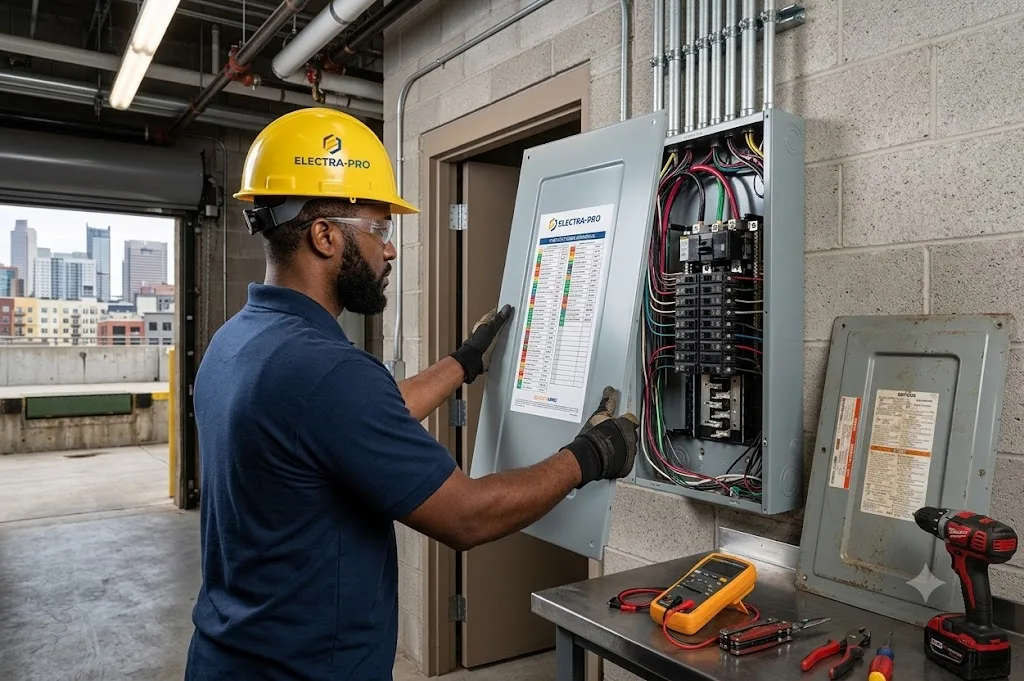
An electric panel replacement in Queen Creek, sometimes called a breaker panel or service panel, is where electricity entering a property is divided among individual circuits. Each circuit generally has a circuit breaker designed to interrupt power when excessive current flows through the circuit.The panel also provides a central location for controlling and protecting electrical circuits. Its capacity is expressed in amperes, such as 100, 150, 200, or higher. However, the panel's amp rating should not be confused with the home's actual electricity consumption.
A higher-rated panel does not automatically mean a home will use more electricity. Instead, the rating indicates how much electrical current the service equipment is designed to handle under appropriate conditions.
Why Might a Panel Need Replacement?
Several conditions can lead to an electric panel replacement in Queen Creek. Age alone does not necessarily mean that a panel is unsafe, but older equipment may have limitations that become more apparent as electrical demand increases.
Common reasons for evaluating a panel include:
- 1. Frequent circuit breaker trips
- 2. Burn marks or discoloration around breakers
- 3. Burning or unusual electrical odors
- 4. Corrosion or visible damage
- 5. Buzzing, crackling, or unusual sounds
- 6. Insufficient breaker spaces
- 7. Electrical equipment that exceeds the existing service capacity
- 8. Planned installation of major electrical appliances
A professional inspection can determine whether the problem involves a particular breaker, circuit, wiring, or the panel itself. In some situations, a repair may be sufficient. In others, replacement may be the more appropriate option.
Electrical Capacity and Home Energy Demand
Panel capacity becomes particularly important when homeowners add high-demand equipment. Electric vehicles, heat pumps, electric water heaters, induction ranges, pool equipment, workshops, and additional HVAC systems can all increase electrical demand.
The U.S. Department of Energy explains that panel upgrades can be necessary when existing electrical infrastructure cannot accommodate additional loads. It also emphasizes that an electrical load calculation should be used to determine whether an existing panel has sufficient capacity for new equipment.
This means homeowners should not determine panel requirements simply by counting appliances or looking for unused breaker spaces. A panel can have open spaces while still having limited overall capacity.
When Is a Larger Electrical Service Needed?
A larger electrical service may be considered when a home's calculated electrical demand exceeds what its existing service can reasonably support. The decision involves more than installing a panel with a higher amp rating.
An electrician may evaluate existing loads, anticipated future loads, service conductors, the main disconnect, grounding and bonding, meter equipment, and utility requirements. Depending on the project, upgrading service capacity can involve work beyond the panelboard itself.
For example, a large property with several HVAC systems, multiple EV chargers, electric water heating, pool equipment, and other high-demand appliances could require a more detailed load assessment than a smaller home with conventional electrical loads.
Understanding 400-Amp Electrical Service
A 400-amp configuration may be considered for properties with particularly high electrical demand or significant future electrification plans. The actual requirement should be determined through a load calculation and consultation with the applicable electric utility.
Utility requirements can also influence the project. Arizona Public Service provides specifications and requirements for residential electrical service equipment, while Salt River Project's service specifications address residential service configurations, including 400-amp installations.
Therefore, homeowners should evaluate both the property's electrical requirements and the utility's service rules before deciding on a larger service.
What Happens During Panel Replacement?
The process usually starts with an assessment of the existing electrical system. An electrician may inspect the panel enclosure, breakers, wiring, service equipment, grounding system, and available circuit capacity.
A load calculation can then help determine the appropriate service rating. If the existing panel is inadequate, the project may involve installing new equipment and modifying associated electrical components.
Depending on the circumstances, utility coordination, permits, inspections, and service interruptions may also be required. The exact process varies according to the property, electrical system, jurisdiction, and utility service area.
Because the main electrical service carries significant current, panel replacement should be completed by a qualified electrical professional who can evaluate the complete system and follow applicable electrical requirements.
Planning for Future Electrical Needs
Homeowners considering panel replacement should think beyond their current electrical usage. Future projects can influence the appropriate service size.
Potential future loads include:
1. Electric vehicle charging
2. Heat pump installation
3. Electric water heating
4. Additional air-conditioning equipment
5. Solar and battery systems
6. Pool or spa equipment
7. Home workshops
8. Major kitchen renovations
Planning for realistic future demand can reduce the likelihood of needing another major electrical modification later. However, oversizing a system without a practical reason can also add unnecessary costs and complexity.
The goal is to select equipment that appropriately matches the property's calculated electrical requirements and foreseeable needs.
Conclusion
Electrical panel replacement should be based on the condition of the existing equipment, available capacity, current electrical demand, and realistic future requirements. Warning signs such as overheating, physical deterioration, repeated breaker trips, or insufficient capacity deserve professional evaluation rather than assumptions about the appropriate solution.
For homeowners considering a 400 Amp Panel Upgrade, the most important consideration is whether the property's calculated electrical demand and future requirements justify that level of service. A qualified electrical assessment can help determine the appropriate capacity while accounting for utility requirements, existing infrastructure, and applicable electrical standards.
0 comments
Log in to leave a comment.
Be the first to comment.