
Effluent Treatment Plant Manufacturer in Gurgaon for Reliable Plant Performance

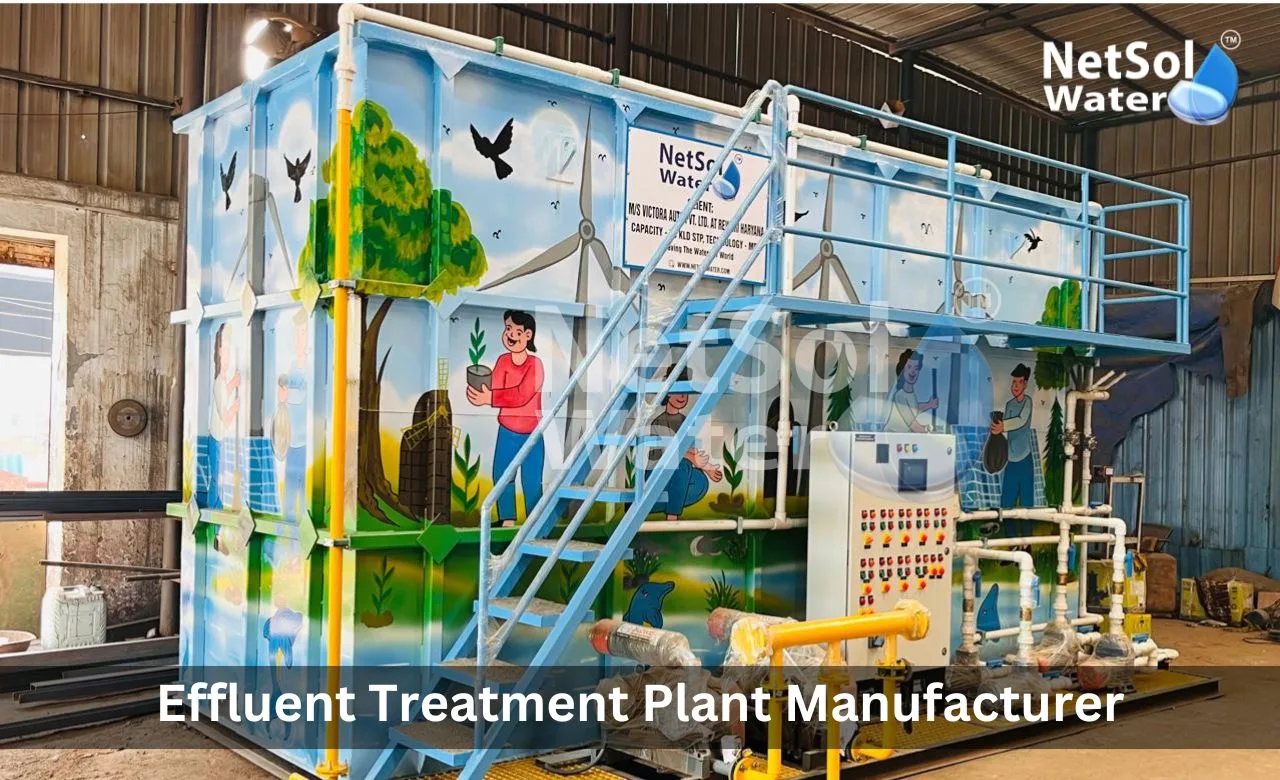
Water is an important resource for every industrial business. Factories use it for manufacturing, equipment cleaning, cooling, washing and several other activities. However, after completing these processes, water often carries chemicals, oils, suspended solids and organic pollutants. Industries must treat this wastewater before releasing it into the environment or reusing it for suitable purposes.
An Effluent Treatment Plant (ETP) helps businesses manage this responsibility. It uses a combination of physical, chemical and biological processes to remove or reduce contaminants from industrial wastewater. A properly designed system also supports water recycling and helps industries manage their daily operations more efficiently.
Gurgaon, now widely known as Gurugram, has developed into an important industrial and commercial centre. Areas such as Udyog Vihar, IMT Manesar and Sector 37 have manufacturing facilities from different sectors. These businesses generate wastewater with varying characteristics. As a result, they need treatment systems that match their production processes and wastewater quality.
Choosing an experienced effluent treatment plant manufacturer in Gurgaon for reliable plant performance helps businesses select a system that suits their requirements. Netsol Water provides industrial wastewater treatment solutions designed around factors such as wastewater flow, pollutant levels, available space and treated-water requirements.
What Is an Effluent Treatment Plant?
An effluent treatment plant is a system that treats wastewater generated by industrial and commercial processes. Its main purpose is to reduce pollutants before the water reaches a suitable discharge point or moves towards an approved reuse application.
Industrial wastewater does not have the same composition in every factory. For instance, a textile unit may release coloured wastewater containing dyes and chemicals. A food-processing facility may generate effluent with high organic content, fats and oils. Similarly, metal-processing units may produce wastewater containing suspended particles and specific metals.
Therefore, an ETP manufacturer must understand the source and nature of the wastewater before selecting the treatment process.
A typical ETP may include:
- Screening and preliminary filtration.
- Oil and grease separation.
- Equalisation and pH correction.
- Chemical treatment.
- Primary settling.
- Biological treatment.
- Secondary clarification or membrane separation.
- Tertiary filtration and disinfection.
- Sludge collection and dewatering.
Not every plant needs all these stages. The final arrangement depends on the wastewater analysis and the required treatment outcome.
Why Do Industries in Gurgaon Need an ETP?
Industrial growth creates opportunities for businesses. At the same time, it increases the need for responsible wastewater management. Every facility that generates industrial effluent should have a suitable plan for treating and handling it.
An ETP helps industries manage this requirement while supporting better use of water resources.
1. Protection of the Environment
Untreated industrial wastewater may contain substances that can harm soil, groundwater and nearby water bodies. Proper treatment reduces the pollution load before discharge.
2. Better Wastewater Management
An ETP gives businesses a planned process for collecting and treating wastewater. Instead of relying on temporary arrangements, operators can monitor treatment stages and manage the effluent more systematically.
3. Support for Regulatory Requirements
Industries must follow the discharge conditions and environmental requirements that apply to their operations. A suitable ETP helps them treat wastewater according to the relevant standards. Businesses should confirm their specific requirements with the Haryana State Pollution Control Board and other applicable authorities.
4. Water Recycling and Reuse
Freshwater demand can become a major concern for industrial facilities. Depending on the treatment quality, businesses may reuse treated wastewater for cooling, gardening, floor washing and other non-potable applications.
Additional filtration or membrane treatment may be necessary when the intended reuse application requires better water quality.
5. Improved Operational Planning
A properly designed plant helps operators understand wastewater flow and treatment requirements. It also makes it easier to identify process changes that may affect plant performance.
What Makes an Effluent Treatment Plant Reliable?
Reliable performance means more than switching on the plant and obtaining treated water. The system should handle normal variations in wastewater flow and quality while maintaining the required treatment process.
Several factors contribute to this performance.
1. Wastewater-Based Design
The manufacturer should study the wastewater before finalising the plant design. Important parameters may include pH, BOD, COD, TSS, TDS, oil and grease, colour and specific metals.
This information helps engineers select the correct treatment stages and equipment. It also reduces the risk of installing a system that cannot handle the actual wastewater load.
2. Suitable Treatment Capacity
The plant should handle the facility’s expected daily wastewater volume. Engineers must also consider variations during production shifts, cleaning cycles and seasonal operations.
A system with insufficient capacity may struggle during peak flow. On the other hand, an unnecessarily large plant may increase capital and operating costs.
3. Quality Equipment
Pumps, blowers, mixers, dosing pumps, filters and control panels support everyday plant operation. Suitable equipment selection helps reduce avoidable breakdowns.
The manufacturer should also consider the chemical nature of the wastewater when choosing tank and piping materials.
4. Effective Process Control
A treatment plant needs proper control over important operating conditions. These may include pH, aeration, chemical dosage, flow and settling performance.
Automation can make this work easier. However, operators still need training and should inspect the plant regularly.
5. Maintenance and Technical Support
Regular servicing helps maintain plant performance. Businesses should check whether the manufacturer provides installation guidance, commissioning support, operator training and maintenance assistance.
A clear service arrangement can make a significant difference during long-term operation.
ETP Technologies Used for Industrial Wastewater Treatment
Different industries need different treatment technologies. A reliable manufacturer should select a process according to the wastewater characteristics instead of using one standard design for every facility.
Here are some commonly used technologies.
1. Activated Sludge Process (ASP)
The Activated Sludge Process uses microorganisms to break down biodegradable organic pollutants in wastewater. Air enters the aeration tank to maintain the oxygen required for microbial activity.
After biological treatment, the wastewater moves to a settling tank. The system separates biological solids from the treated water. Some settled sludge may return to the aeration tank to maintain the required biomass concentration.
ASP can suit several industrial applications. However, the process needs regular monitoring of aeration, sludge concentration and other operating conditions.
2. Moving Bed Biofilm Reactor (MBBR)
MBBR is a biological treatment technology that uses specially designed plastic carriers inside a reactor. Microorganisms grow on the carrier surfaces and help break down organic pollutants.
The carriers provide additional surface area for biological growth. This arrangement can support compact plant designs and may help facilities manage certain variations in wastewater loading.
MBBR is useful for many industrial applications where the wastewater contains biodegradable organic matter. The design must still consider the actual pollutant concentration and required treatment performance.
3. Membrane Bioreactor (MBR)
MBR combines biological treatment with membrane filtration. Microorganisms reduce biodegradable pollutants while membranes separate suspended solids from treated water.
This technology can produce a high-quality treated-water stream and may suit facilities with limited installation space or demanding reuse targets.
However, membrane systems require proper cleaning and monitoring. Businesses should also consider energy consumption and membrane replacement when calculating operating costs.
4. Chemical Coagulation and Flocculation
Some industrial pollutants do not settle easily through ordinary gravity separation. Chemical coagulation and flocculation help bring fine particles together so that the system can remove them more effectively.
During coagulation, chemicals destabilise fine particles. Flocculation then encourages these particles to form larger groups called flocs. The plant can separate these flocs through settling or flotation.
This process may help treat wastewater containing colour, colloidal particles and selected suspended contaminants. Chemical selection and dosage should follow wastewater testing.
5. Dissolved Air Flotation (DAF)
DAF removes floating solids, oil and grease from wastewater. The system introduces tiny air bubbles that attach to contaminants and carry them towards the surface. A skimming mechanism then removes the floating material.
Food-processing, textile and other industrial facilities may use DAF as a pre-treatment stage when their wastewater contains significant amounts of oil, grease or fine suspended matter.
6. Ultrafiltration (UF)
Ultrafiltration uses membranes to separate fine suspended solids and other particles from water. It can work as a polishing stage after conventional or biological treatment.
Industries may choose UF when they need better treated-water quality before further processing or reuse. Proper pre-treatment helps protect the membranes and maintain their performance.
7. Reverse Osmosis (RO)
Reverse Osmosis removes a large proportion of dissolved salts and other dissolved substances through a semi-permeable membrane. Industries may use RO when their reuse application requires water with lower dissolved solids.
However, RO produces a concentrated reject stream. The plant design must include a suitable method for managing this stream safely and responsibly.
8. Sludge Dewatering Systems
ETPs generate sludge during primary and biological treatment. A sludge dewatering system reduces its moisture content and makes handling easier.
Depending on the plant design, a filter press or another dewatering technology may be suitable. The sludge must be characterised before deciding on its disposal or recovery route.
How Does an ETP Plant Work?
A typical ETP follows a series of treatment stages. The exact sequence changes according to the industry and wastewater characteristics. The following steps explain a common treatment arrangement.
Step 1: Screening
Raw wastewater first passes through coarse and fine screens. These screens remove larger materials such as fibres, plastic pieces and other solid waste.
This stage protects pumps and reduces the risk of blockages in downstream equipment.
Step 2: Oil and Grease Removal
If wastewater contains floating oil and grease, the plant separates these substances through a suitable oil trap or flotation system.
Removing excess oil early helps protect later treatment stages.
Step 3: Equalisation
The equalisation tank collects wastewater and helps balance variations in flow and pollutant concentration. Mixing keeps the wastewater more uniform before it enters the next treatment stage.
This step is important because sudden changes in wastewater quality can disturb biological and chemical processes.
Step 4: pH Correction
Industrial wastewater may be acidic or alkaline. A neutralisation system adds suitable chemicals to adjust the pH within the required operating range.
Operators should monitor pH because extreme conditions can affect biological activity and chemical treatment.
Step 5: Chemical Treatment
The plant may add coagulants and flocculants to remove fine particles and selected contaminants. The wastewater then moves towards a settling or flotation stage.
Step 6: Primary Settling
In a primary settling tank, heavier particles move towards the bottom and form sludge. The system separates this material from the wastewater.
Step 7: Biological Treatment
The wastewater enters a biological reactor where microorganisms break down biodegradable organic matter. The plant may use ASP, MBBR, MBR or another suitable biological technology.
Proper aeration and process control help maintain the required biological conditions.
Step 8: Secondary Separation
The system separates biological solids from treated water. Depending on the selected technology, this may involve a clarifier or membrane separation.
Step 9: Tertiary Treatment
The plant may use pressure sand filters, activated carbon filters, UF or RO to improve water quality further.
This stage becomes especially important when industries plan to reuse treated water for applications with specific quality requirements.
Step 10: Sludge Handling and Final Monitoring
The plant collects sludge from different treatment stages and sends it for suitable dewatering and management.
Operators should also test the final treated water against the required discharge or reuse parameters before it moves to its intended destination.
Industries That Need ETP Solutions in Gurgaon
Gurgaon has several industrial and commercial sectors. Each sector produces wastewater with different treatment requirements.
1. Textile and Garment Manufacturing
Textile processing can generate wastewater containing dyes, detergents, suspended solids and chemicals. Treatment may involve colour removal, pH correction, biological treatment and filtration.
The manufacturer should study the production process because dyeing, washing and finishing operations can produce different wastewater streams.
2. Automobile and Auto-Component Industry
Automobile and engineering facilities may generate wastewater from equipment washing, surface treatment and manufacturing operations.
The effluent can contain oil, grease, suspended matter and specific chemicals. A suitable ETP may include oil separation, chemical treatment and filtration.
3. Food and Beverage Industry
Food-processing facilities often produce wastewater with high organic content. It may also contain fats, oils and grease.
Screening, equalisation, DAF and biological treatment may form part of the solution. The plant should also account for changes in production schedules and cleaning activities.
4. Pharmaceutical and Chemical Industry
Pharmaceutical and chemical units may produce complex wastewater with changing chemical compositions. Some streams can contain substances that require specialised pre-treatment.
Engineers should study the wastewater carefully before selecting the biological and chemical treatment arrangement.
5. Electronics and Metal Processing
Electronics, electroplating and metal-processing units may release wastewater containing selected metals, acids, alkalis and suspended particles.
Chemical precipitation and pH correction may help remove certain contaminants. The manufacturer should identify the specific pollutants before recommending the process.
6. Commercial and Institutional Facilities
Some large commercial facilities generate wastewater from specialised operations such as vehicle washing, maintenance and food preparation. Depending on the source, they may require an ETP or a separate sewage treatment system.
An ETP and an STP serve different purposes. The correct choice depends on whether the wastewater comes from industrial processes or domestic sewage.
Benefits of Choosing a Reliable ETP Manufacturer in Gurgaon
Selecting a suitable effluent treatment plant manufacturer can help businesses manage their wastewater treatment needs more effectively. However, industries should evaluate the complete project rather than focusing only on the initial purchase price.
Some important benefits include:
- Customised plant design: Engineers can select treatment stages according to the wastewater quality and production requirements.
- Better treatment stability: Proper equalisation and process control can help manage changes in wastewater flow and pollutant load.
- Water reuse opportunities: Suitable treatment and polishing stages can prepare water for selected non-potable applications.
- Practical plant layout: A well-planned arrangement makes equipment access and routine maintenance easier.
- Operating guidance: Trained operators can manage the system more effectively when they understand each treatment stage.
- Technical assistance: Installation and commissioning support can help businesses start operating the plant correctly.
- Long-term planning: A suitable design can consider future changes in production and wastewater volume.
How to Select the Right Effluent Treatment Plant Manufacturer in Gurgaon
Choosing an ETP manufacturer is an important decision. A plant may operate for many years, so businesses should look beyond the quotation and evaluate the technical proposal carefully.
Consider the following points before finalising a manufacturer.
- Check industry experience: Find out whether the manufacturer understands the type of wastewater your business generates.
- Ask for a wastewater assessment: The design should consider laboratory test results and actual flow information.
- Review the proposed technology: Ask why the manufacturer selected a particular treatment process and whether it suits your wastewater.
- Check equipment specifications: Review pumps, blowers, filters, dosing systems, membranes and control panels.
- Understand operating expenses: Consider electricity, chemicals, manpower, consumables and sludge management.
- Discuss automation: Confirm whether manual, PLC-based or SCADA-based controls are suitable for your plant.
- Review installation support: Understand what the manufacturer provides for installation, commissioning and operator training.
- Ask about maintenance: Discuss routine servicing, troubleshooting and the availability of spare parts.
- Confirm treatment requirements: Make sure the proposal addresses the discharge or reuse conditions applicable to your facility.
A detailed discussion with the engineering team can help avoid design problems and unexpected expenses later.
Factors That Affect ETP Plant Cost in Gurgaon
The cost of an ETP depends on several technical and site-related factors. Two factories with the same daily wastewater flow may need different systems because their wastewater composition can be very different.
The main cost factors include:
Plant capacity: Daily wastewater volume influences tank size, pump selection and equipment capacity.
Wastewater quality: High organic loading, dissolved solids, colour, oil or specific metals may require additional treatment stages.
Technology selection: ASP, MBBR, MBR, DAF, UF and RO systems have different equipment and operating requirements.
Treatment objective: A plant designed for discharge may differ from one designed for extensive water recycling or Zero Liquid Discharge.
Construction materials: RCC, coated steel, FRP and other materials have different costs and suitability depending on site conditions and wastewater characteristics.
Automation requirements: Advanced monitoring and control systems can increase the initial investment but may support easier process management.
Site conditions: Available space, civil work, electrical connections, piping and installation access can influence the project budget.
Operating expenses: Power consumption, chemicals, maintenance and sludge management affect the total cost throughout the plant’s operating life.
For this reason, businesses should request a customised quotation after sharing their wastewater data and treatment objectives.
Netsol Water: Industrial ETP Solutions in Gurgaon
Netsol Water provides water and wastewater treatment solutions for industrial and commercial requirements. Its ETP services include system design, manufacturing, installation, commissioning and maintenance support.
For industries in Gurgaon, the treatment design should begin with a proper understanding of wastewater flow and quality. The engineering team can then assess the suitable treatment stages based on the type of industry, available space and final water requirements.
Netsol Water’s ETP technology options include Activated Sludge Process, MBBR, MBR, chemical coagulation and flocculation, filtration, UF, RO and sludge dewatering. Automation and monitoring arrangements can also be considered according to project needs.
The company has also published a project example involving a 10 KLD ETP for a Biryani By Kilo unit in Gurgaon. The described treatment arrangement included equalisation, MBBR and ultrafiltration to address colour and variable wastewater flow. This illustrates why a plant design should respond to the actual wastewater conditions of a facility.
For businesses planning a new ETP or upgrading an existing system, the best starting point is a technical discussion about wastewater characteristics, plant capacity and the required treatment outcome.
Tips to Maintain Reliable ETP Performance
Even a well-designed treatment plant needs regular attention. Daily monitoring and planned maintenance help operators identify problems before they affect the treatment process.
Here are some useful practices:
- Monitor wastewater quality: Test important parameters at suitable intervals and record any major changes.
- Check the equalisation tank: Ensure that mixers and pumps work properly and that wastewater remains adequately mixed.
- Maintain chemical dosing: Check dosing pumps and adjust chemical use according to the treatment requirement.
- Inspect pumps and blowers: Look for leakage, vibration, unusual noise and changes in operating performance.
- Maintain aeration: Biological systems need suitable oxygen supply and process conditions.
- Clean filters: Follow the recommended backwashing and cleaning schedule.
- Monitor membrane systems: Track pressure, flow and cleaning requirements for UF and RO units.
- Manage sludge: Remove and dewater sludge as required. Arrange suitable handling and disposal.
- Train plant operators: Make sure staff understand the process, safety measures and basic troubleshooting.
- Maintain operating records: Record flow, chemical consumption, energy use, maintenance activities and treated-water test results.
These steps help businesses maintain better control over the plant and reduce avoidable operational problems.
Frequently Asked Questions
1. What is the main purpose of an ETP plant?
An ETP treats industrial wastewater by removing or reducing pollutants such as suspended solids, organic matter, oil, grease and selected chemical contaminants. The treated water can then move towards an approved discharge point or suitable reuse application.
2. Which ETP technology is best for industries in Gurgaon?
There is no single technology that suits every industry. MBBR, ASP, MBR, chemical treatment, DAF and membrane filtration are possible options. The correct selection depends on wastewater testing, flow, pollutant levels and the final treatment objective.
3. How much does an ETP plant cost in Gurgaon?
The cost depends on plant capacity, wastewater quality, technology, construction material, automation and site conditions. A manufacturer should review the wastewater data before preparing a detailed quotation.
4. Can treated ETP water be reused?
Yes. Treated water may be reused for applications such as gardening, floor washing, cooling and selected industrial processes. However, the water must meet the quality requirements of its intended use. Additional filtration or RO may be necessary.
5. Is an ETP different from an STP?
Yes. An ETP treats industrial wastewater generated by manufacturing and other industrial processes. An STP treats domestic sewage from toilets, bathrooms and kitchens. Their treatment requirements are different.
6. Does an ETP need regular maintenance?
Yes. Operators should inspect pumps, blowers, dosing systems, filters and treatment tanks. They should also monitor biological activity and manage sludge properly. Membrane-based systems need additional cleaning and performance checks.
7. What is the role of automation in an ETP?
Automation helps operators monitor and control important plant functions. Depending on the system, it may manage pumps, blowers, chemical dosing and process alarms. However, regular inspection and trained operation remain essential.
8. What is Zero Liquid Discharge?
Zero Liquid Discharge is an approach that aims to recover and reuse water while avoiding routine liquid effluent discharge from a facility. It may involve several treatment stages, including filtration, RO and evaporation or crystallisation. Its suitability depends on wastewater quality, site conditions and project economics.
9. Does Netsol Water provide ETP installation and maintenance support in Gurgaon?
Netsol Water describes its ETP services as including design, manufacturing, installation, commissioning and maintenance support. Businesses can contact the company to discuss the service requirements for their facility.
Conclusion
Industrial wastewater management is an important responsibility for businesses operating in Gurgaon. As manufacturing activities grow, industries need treatment systems that can handle different wastewater characteristics and support consistent plant operation.
A suitable Effluent Treatment Plant helps reduce pollution, supports water reuse and improves control over industrial wastewater. However, reliable performance starts with the right engineering decisions. Businesses should assess wastewater quality, daily flow, treatment objectives, equipment requirements and maintenance needs before choosing a system.
Selecting an experienced Effluent Treatment Plant Manufacturer in Gurgaon for Reliable Plant Performance can help industries find a solution that matches their operational requirements. Netsol Water offers ETP technologies and wastewater treatment services for different industrial applications.
Contact Netsol Water
For information about customised Effluent Treatment Plants, installation and technical support, contact the team:
- Company: Netsol Water
- Phone: +91 9650608473
- Email: [email protected]
- Website: netsolwater.com
- Address: Plot No. 164, Udyog Vihar Extension, Ecotech-II, Greater Noida, Uttar Pradesh, India.
Share your wastewater flow, test results and treatment goals with the technical team to discuss a suitable ETP solution for your facility.
0 comments
Log in to leave a comment.
Be the first to comment.