
Kidney Dialysis Treatment: Emergency Signs That Mean You Should Go to the Hospital Immediately

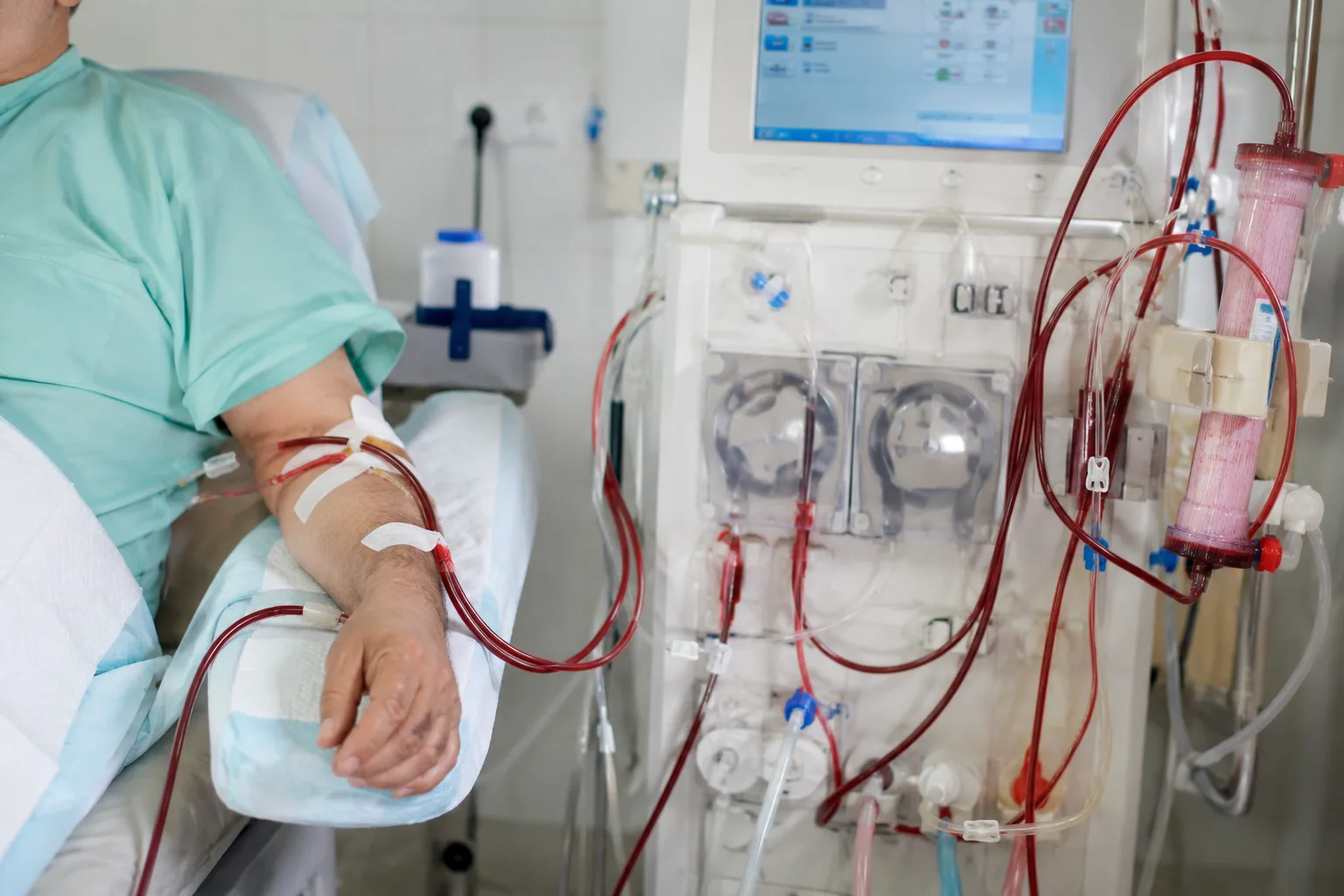
Many people think feeling weak or uncomfortable after dialysis is normal. Although mild tiredness can happen, certain warning signs may indicate a serious medical emergency. Recognizing these symptoms early and getting timely medical care can prevent severe complications and even save lives.
Why It Is Important to Recognize Dialysis Emergencies
Every dialysis session affects your body's fluid balance, blood pressure, and electrolyte levels. Most patients complete their treatment without major problems, but complications can sometimes develop suddenly. If these warning signs are ignored, they may lead to serious health issues such as heart problems, infections, stroke, or breathing difficulties.
Understanding the difference between common side effects and emergency symptoms helps patients and family members make the right decision at the right time.
Chest Pain or Tightness
Chest pain during or after dialysis should never be taken lightly. It may feel like pressure, heaviness, or tightness in the chest and can sometimes spread to the left arm, shoulder, neck, or jaw. In some cases, it may be accompanied by sweating, nausea, or difficulty breathing.
This could happen because of a heart problem, low blood pressure, fluid overload, or an imbalance of minerals in the blood. If the pain lasts for more than a few minutes or becomes severe, visit the nearest hospital immediately instead of waiting for your next dialysis session.

Image source :https://www.eroftexas.com/understanding-the-different-types-of-chest-pain/
Difficulty in Breathing
Feeling slightly tired after dialysis is common, but struggling to breathe is not. If you suddenly experience shortness of breath, rapid breathing, wheezing, or difficulty lying flat because of breathlessness, it may be a sign of fluid collecting in the lungs or a heart-related complication.
Breathing problems require urgent medical attention. Delaying treatment can make the condition worse, so it is always safer to seek emergency care.

Image source :https://nirvanahealthcare.com/why-am-i-having-trouble-breathing/
High Fever or Chills
A fever after dialysis may indicate that an infection has developed. Patients who receive dialysis through a catheter or fistula are at a slightly higher risk of infections because the bloodstream is accessed regularly.
If you develop a high fever, chills, body aches, or unusual weakness after dialysis, contact your doctor immediately. Do not start antibiotics on your own, as proper diagnosis is important before beginning treatment.

Image source :https://www.healthline.com/health/chills
Bleeding That Does Not Stop
Some bleeding after removing the dialysis needles is normal and usually stops within a few minutes. However, if the bleeding continues for a long time, soaks through the dressing, or is difficult to control even after applying pressure, it should be treated as an emergency.
Excessive bleeding can lead to significant blood loss and may indicate a problem with your dialysis access or blood clotting. Visit the hospital without delay.

Image source :https://doctorlansford.com/conditions-epistaxis
Redness, Swelling, or Pus Around the Fistula
Your fistula or catheter is your lifeline during dialysis. If the area becomes red, swollen, painful, warm to touch, or starts releasing pus, it may be infected.
Ignoring these symptoms can result in serious bloodstream infections and may even damage the dialysis access. Early treatment usually prevents complications and helps preserve the fistula.

Image source :https://www.apollo247.com/health-topics/general-medical-consultation/reasons-for-swelling-in-feet
No Vibration in He Fistula
Patients with an AV fistula are often advised to check for a gentle vibration, known as a "thrill," every day. If you suddenly cannot feel this vibration, blood flow to the fistula may have stopped because of a blockage or blood clot.
This is considered a medical emergency because prompt treatment may help save the fistula. Contact your nephrologist or visit the hospital as soon as possible.
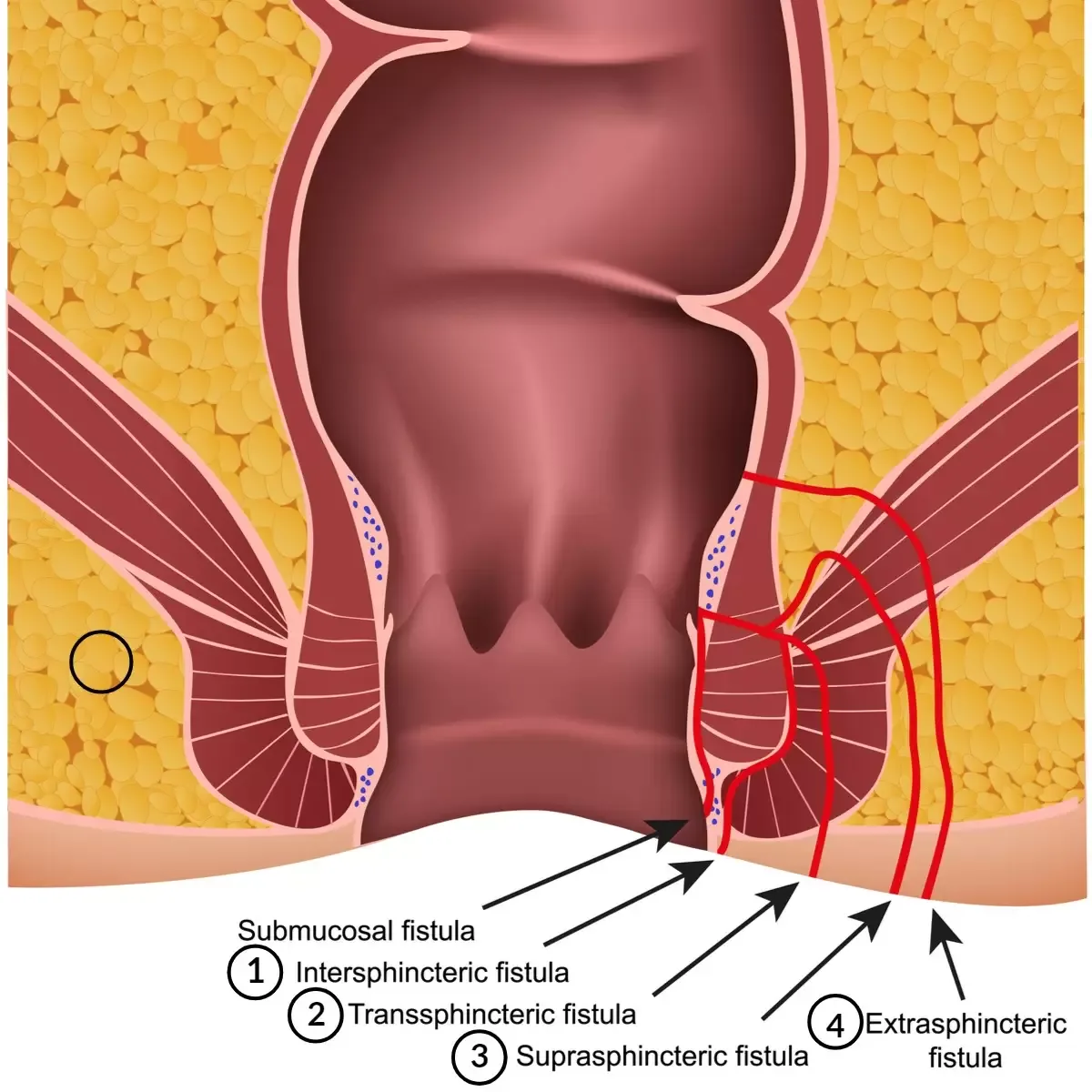
Image source :https://wsmmedic.com/treatment-laseranalfistula/
Sudden Confusion or Difficulty Speaking
If a dialysis patient suddenly becomes confused, has trouble speaking, feels unusually sleepy, or develops weakness on one side of the body, these symptoms should never be ignored.
Such changes may indicate a stroke, severe infection, or an electrolyte imbalance. Immediate medical attention is necessary because early treatment greatly improves recovery.

Image source :https://www.myupchar.com/en/disease/difficulty-speaking
Severe Muscle Cramps
Many patients experience mild cramps during dialysis, especially if excess fluid is removed quickly. However, severe cramps that continue for a long time or are accompanied by dizziness, chest pain, or fainting require medical evaluation.
Your nephrologist may need to adjust your dialysis settings or fluid removal plan to prevent future episodes.
Continuous Vomiting or Severe Nausea
Feeling slightly nauseous occasionally is common, but repeated vomiting is not. It may occur because of infection, low blood pressure, medication side effects, or an imbalance of salts in the body.
Persistent vomiting can quickly lead to dehydration and weakness, making it important to visit the hospital if symptoms do not improve.
Severe Headache or Blurred Vision
A sudden severe headache, especially when accompanied by blurred vision, dizziness, vomiting, or very high blood pressure, can be a warning sign of a serious condition.
Rather than waiting for the symptoms to settle, seek immediate medical care to rule out potentially dangerous complications.
Fainting or Loss of Consciousness
Passing out before, during, or after dialysis is never normal. It may happen because of a sudden drop in blood pressure, heart rhythm problems, severe dehydration, or other medical emergencies.
Even if the person regains consciousness quickly, they should still be evaluated by a doctor without delay.
Swelling Between Dialysis Sessions
If you notice swelling in your legs, feet, hands, face, or abdomen between dialysis sessions, it may mean your body is retaining too much fluid. Rapid weight gain and increasing breathlessness are also common signs of fluid overload.
Inform your nephrologist as soon as possible. In some cases, an extra dialysis session or changes to your fluid intake may be required.
When Should You Go to the Hospital Immediately?
Do not delay medical care if you experience any of the following:
- Severe chest pain
- Difficulty breathing
- High fever with chills
- Heavy bleeding from the fistula
- Sudden confusion or difficulty speaking
- Loss of consciousness
- No vibration in the fistula
- Severe swelling with breathlessness
Quick treatment can prevent serious complications and improve recovery.
How to Reduce the Risk of Dialysis Emergencies
Many dialysis-related complications can be prevented by following your treatment plan carefully. Attend every dialysis session, take medicines as prescribed, follow your kidney-friendly diet, limit fluid intake as advised by your doctor, and keep your fistula clean. Regularly checking your blood pressure and dialysis access at home can also help identify problems early.
Most importantly, never ignore new or unusual symptoms. If something does not feel right, it is always better to speak with your nephrologist than to wait.
Final Thoughts
Dialysis helps thousands of people with kidney disease lead healthier and more active lives. However, staying aware of emergency warning signs is equally important. Symptoms such as chest pain, breathing difficulty, high fever, uncontrolled bleeding, sudden confusion, or loss of consciousness should always be treated as medical emergencies.
If you or a family member is undergoing kidney dialysis treatment, staying informed and seeking timely medical care can make a significant difference. Regular follow-ups with your nephrologist, following medical advice, and acting quickly during emergencies are the best ways to protect your health and ensure successful long-term dialysis care.
0 comments
Log in to leave a comment.
Be the first to comment.