
Dental Implants Cardiff for Natural-Looking Missing Teeth Replacement
Explore dental implants in Cardiff at Cyncoed Dental Practice. Learn about implant treatment, costs, benefits and options for replacing missing teeth.

Missing teeth can affect more than the appearance of your smile. They may make everyday activities such as eating and speaking more difficult, while also affecting your confidence. Whether you have lost a tooth through injury, decay or gum disease, finding a suitable replacement can help restore the appearance and function of your teeth.
At Cyncoed Dental Practice, patients can explore modern tooth replacement options designed around their individual dental needs. Dental implants offer a way to replace missing teeth using a secure foundation in the jawbone and a natural-looking replacement crown. With an appropriate assessment and treatment plan, this option can help patients regain confidence in their smiles and enjoy everyday activities more comfortably.
What Are Dental Implants and How Do They Work?
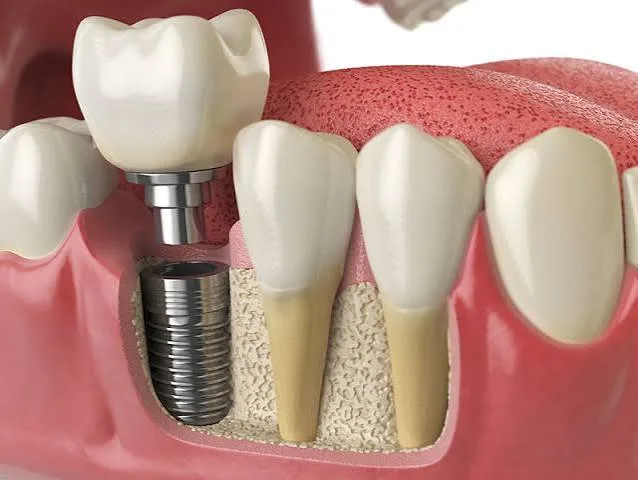
A dental implant is a small fixture placed into the jawbone to act as an artificial tooth root. It provides support for a replacement tooth, helping restore the appearance and function of the missing natural tooth.
A typical implant restoration consists of two main components. The implant fixture is usually made from titanium and is placed into the jawbone. An abutment connects the fixture to the visible replacement crown, which is designed to complement the colour, shape and size of the surrounding teeth.
The jawbone gradually integrates with the implant through a natural healing process known as osseointegration. Once sufficient healing has taken place, the replacement crown can be attached to complete the restoration.
Why Consider Dental Implants for Missing Teeth?
Choosing Dental Implants Cardiff patients may consider for tooth replacement can offer several advantages. Unlike some traditional replacement options, implants do not usually require neighbouring healthy teeth to be prepared as supports.
They can also help maintain jawbone structure by providing stimulation where a natural tooth root would normally be. When a tooth is missing for an extended period, the surrounding bone may gradually lose volume. Replacing the missing tooth with an implant can help reduce this process.
Other potential benefits include:
Natural appearance: Custom-made crowns are designed to blend with your existing teeth.
Improved chewing: A securely supported replacement tooth can make eating more comfortable.
Stable support: Implants are fixed in place rather than being removable like conventional dentures.
Long-term option: With good oral hygiene and regular professional care, implants can last for many years.
Improved confidence: Replacing visible gaps may help patients feel more comfortable smiling and speaking.
The suitability and expected results will depend on your oral health, bone condition and individual circumstances.
Who May Be Suitable for Tooth Replacement?
People with one or more missing teeth may be suitable candidates for implant treatment. However, an assessment is necessary before deciding whether this approach is appropriate.
Your dentist will consider your gum health, jawbone density, general dental condition and medical history. Healthy gums and sufficient jawbone are important for supporting an implant successfully.
Patients with reduced bone volume may sometimes require additional procedures, such as bone grafting, before implant placement can be considered. Active gum disease should also be addressed before starting treatment.
Smoking, certain medical conditions and some medications can affect healing. It is important to discuss your health history openly during your consultation so your dentist can provide suitable recommendations.
Understanding the Dental Implant Treatment Process
If you are considering tooth implants Cardiff patients can explore at Cyncoed Dental Practice, understanding the treatment stages can help you prepare.
1. Initial Consultation and Assessment
The first stage involves discussing your concerns, dental history and expectations. Your dentist will examine your mouth and may recommend X-rays or advanced 3D scanning to assess the position of nerves, bone structure and available space.
This information helps determine whether implant treatment is suitable and allows the dental team to plan the procedure.
2. Implant Placement
Once your treatment plan has been agreed, the implant fixture is placed into the jawbone using a carefully planned surgical procedure. Local anaesthetic is generally used to make the procedure more comfortable.
After placement, the area needs time to heal while the implant integrates with the surrounding bone.
3. Attaching the Replacement Crown
When healing is complete and the implant is sufficiently stable, an abutment and custom-made crown can be fitted. The crown is designed to complement your natural teeth in appearance and function.
Your dentist will check the fit and bite to ensure the restoration is comfortable.
Exploring Missing Teeth Replacement Options
Not everyone needs the same treatment. Depending on the number of missing teeth and the condition of the remaining teeth, different approaches may be recommended.
Missing teeth replacement Cardiff patients can consider includes dental implants, bridges and dentures. Each option has different advantages, limitations and maintenance requirements.
A dental bridge uses neighbouring teeth or implants for support, depending on the design. Dentures provide a removable solution and can replace several missing teeth. Implants offer fixed support for individual crowns or implant-supported bridges.
The most suitable choice depends on your dental health, preferences and budget. Your dentist can explain the available options and help you understand which treatment may meet your needs.
Maintaining Your Dental Implants After Treatment
Looking after your replacement teeth is important for protecting your investment and maintaining healthy gums. Although an implant cannot develop tooth decay like a natural tooth, the surrounding gum tissue can still become inflamed or infected.
Good daily oral hygiene is essential. Brush twice a day with fluoride toothpaste and clean carefully around the implant using suitable interdental brushes or floss.
You should also attend regular dental examinations and hygiene appointments. These visits allow your dental team to monitor the implant, surrounding gums and overall oral health.
Avoiding smoking and following professional cleaning advice can also support long-term implant health. If you notice bleeding, swelling, discomfort or movement around an implant, contact your dental practice for an assessment.
Personalised Implant Care at Cyncoed Dental Practice
Choosing an experienced dental team is an important part of planning treatment. At Cyncoed Dental Practice, patients can discuss their concerns and explore suitable restorative options with the dental team.
The practice uses modern dental technology, including 3D scanning, to support treatment assessment and planning. Patients can also discuss the expected treatment stages, costs and aftercare before making a decision.
Restorative dentistry Cardiff patients may need can include different approaches to repairing or replacing damaged and missing teeth. The aim is to consider both the appearance and function of your smile when planning treatment.
The practice also offers information about interest-free finance options for eligible treatments, subject to terms and conditions. This may help patients spread the cost rather than paying the full amount at once.
Frequently Asked Questions
1. How Long Do Dental Implants Last?
Dental implants can last many years and may last a lifetime with appropriate care. However, the replacement crown may need maintenance or replacement over time. Regular dental check-ups, good oral hygiene and healthy lifestyle habits can help support their longevity.
2. Is Getting a Dental Implant Painful?
Implant placement is generally carried out under local anaesthetic, so you should not feel pain during the procedure. Some tenderness, swelling or discomfort may occur afterwards, but this can usually be managed with appropriate aftercare and pain relief recommended by your dentist.
3. How Much Do Dental Implants Cost in Cardiff?
The cost depends on the number of implants required, the condition of your jawbone and whether additional procedures are necessary. Cyncoed Dental Practice lists a guide price of £3,000 for a single implant, although individual treatment costs may vary. A consultation can help you receive an estimate based on your requirements.
Conclusion
Missing teeth do not have to affect your confidence or everyday comfort permanently. Dental implants can provide a stable and natural-looking way to replace missing teeth while helping restore important functions such as chewing and speaking. However, successful treatment depends on careful assessment, suitable planning and ongoing oral hygiene.
At Cyncoed Dental Practice, patients can explore personalised tooth replacement options supported by modern dental technology and professional guidance. If you are considering implant treatment, arranging a consultation is a useful first step towards understanding your options and finding a suitable solution for your smile.
0 comments
Log in to leave a comment.
Be the first to comment.