
Creating Modern Workspaces That Support Productivity and Long-Term Business Growth
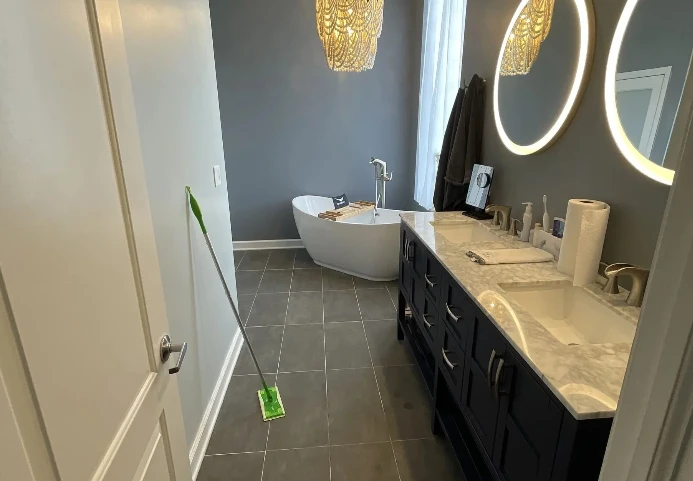
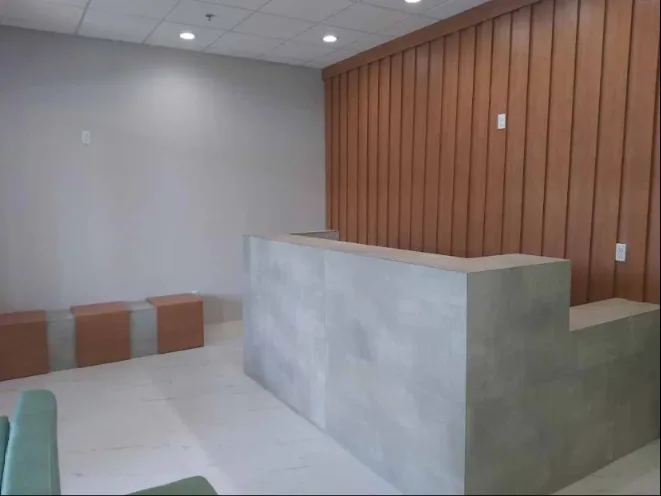
The modern workplace has evolved far beyond rows of desks and enclosed offices. Today's businesses understand that the design of their workspace directly influences employee satisfaction, collaboration, efficiency, and even customer perception. Whether you operate a professional office, a creative agency, or a corporate headquarters, investing in a thoughtfully designed workplace can strengthen your company's culture while supporting future growth.
Businesses planning workplace design winnetka projects often begin by evaluating how employees interact with their environment and identifying opportunities to improve workflow. A carefully planned workplace design balances aesthetics with functionality, ensuring every square foot contributes to productivity while creating a welcoming atmosphere for employees and visitors alike.
A well-designed office is more than an attractive space. It is a strategic investment that improves communication, supports employee well-being, and reinforces your company's professional image.
Why Workplace Design Matters
Employees spend a significant portion of their day in the office, making the work environment an important factor in overall performance.
An updated workplace offers several benefits:
Improved collaboration
Greater employee satisfaction
Increased productivity
Better client experiences
More efficient use of space
Stronger company culture
Enhanced brand identity
A thoughtfully designed workspace supports both daily operations and long-term business objectives.
Begin With a Strategic Space Plan
Every successful office renovation starts with careful planning.
Before construction begins, businesses should consider:
Current workflow
Employee requirements
Department interactions
Available square footage
Technology needs
Future expansion plans
Budget and project timeline
A detailed space plan helps ensure the completed office functions efficiently while allowing flexibility for future growth.
Design for Collaboration and Focus
Modern workplaces should support different styles of work.
Popular office features include:
Open collaboration spaces
Private offices
Quiet focus rooms
Flexible meeting areas
Informal gathering spaces
Training rooms
Providing employees with a variety of work environments improves productivity while encouraging creativity and teamwork.
Prioritize Employee Comfort
Comfort plays a significant role in workplace performance.
Businesses should invest in:
Ergonomic seating
Adjustable desks
Proper lighting
Comfortable meeting rooms
Break areas
Wellness spaces
A comfortable environment helps reduce fatigue while improving employee morale and retention.
Maximize Natural Light
Natural lighting creates brighter, healthier workspaces.
Benefits include:
Reduced eye strain
Improved concentration
Lower energy costs
Enhanced mood
Better overall employee wellness
Glass partitions, open layouts, and larger windows help distribute daylight throughout the office.
Integrate Smart Technology
Technology should be seamlessly incorporated into every workplace.
Modern offices often include:
Wireless presentation systems
Video conferencing rooms
Smart lighting controls
Automated climate systems
Digital scheduling displays
Secure networking infrastructure
Planning these features during renovation minimizes future disruptions while improving daily operations.
Select Durable Interior Materials
Commercial offices experience constant use, making durable finishes essential.
Recommended materials include:
Luxury vinyl flooring
Commercial carpet tiles
Quartz countertops
Tempered glass
Acoustic wall panels
High-quality cabinetry
Durable materials reduce maintenance while maintaining a professional appearance.
Reflect Your Company's Brand
Your office should reinforce your organization's identity.
Brand-focused design elements may include:
Company colors
Custom graphics
Branded reception areas
Consistent signage
Modern furniture
Feature walls
A cohesive design leaves a positive impression on employees, clients, and business partners.
Work With Experienced Design and Construction Professionals
Successful workplace renovations require collaboration between designers, architects, engineers, and contractors.
Professional project teams provide:
Space planning
Construction management
Permit coordination
Budget control
Quality assurance
Project scheduling
Experienced professionals help ensure renovations are completed efficiently while minimizing disruptions to business operations.
Before finalizing your office renovation, businesses expanding into nearby communities should also consider workplace design glenview services to create consistent work environments across multiple locations. Maintaining similar design standards throughout different offices strengthens brand identity, improves employee experiences, and supports operational consistency as your business grows.
Conclusion
A modern workplace is far more than a functional office. It is a valuable business asset that improves employee productivity, enhances collaboration, strengthens company culture, and creates lasting impressions for clients and visitors.
By investing in thoughtful planning, durable materials, modern technology, and experienced construction professionals, businesses can create workspaces that support both current operations and future growth. A well-designed office not only looks impressive but also contributes to greater efficiency, employee satisfaction, and long-term business success.
FAQs
1. Why Is Workplace Design Important for Businesses?
Effective workplace design improves productivity, supports employee well-being, encourages collaboration, enhances customer experiences, and reflects a company's professional image.
2. What Features Should a Modern Office Include?
Modern offices often include flexible workspaces, ergonomic furniture, collaborative meeting areas, smart technology, energy-efficient lighting, comfortable break rooms, and durable interior finishes.
3. How Can Workplace Design Improve Employee Productivity?
A well-designed workspace reduces distractions, improves comfort, supports collaboration, maximizes natural light, and provides employees with environments that match different work styles, leading to greater efficiency and job satisfaction.
0 comments
Log in to leave a comment.
Be the first to comment.