
Comprehensive Built-In Central Vacuum System Services for Los Angeles County Properties
Comprehensive Built-In Central Vacuum System Services for Los Angeles County Properties
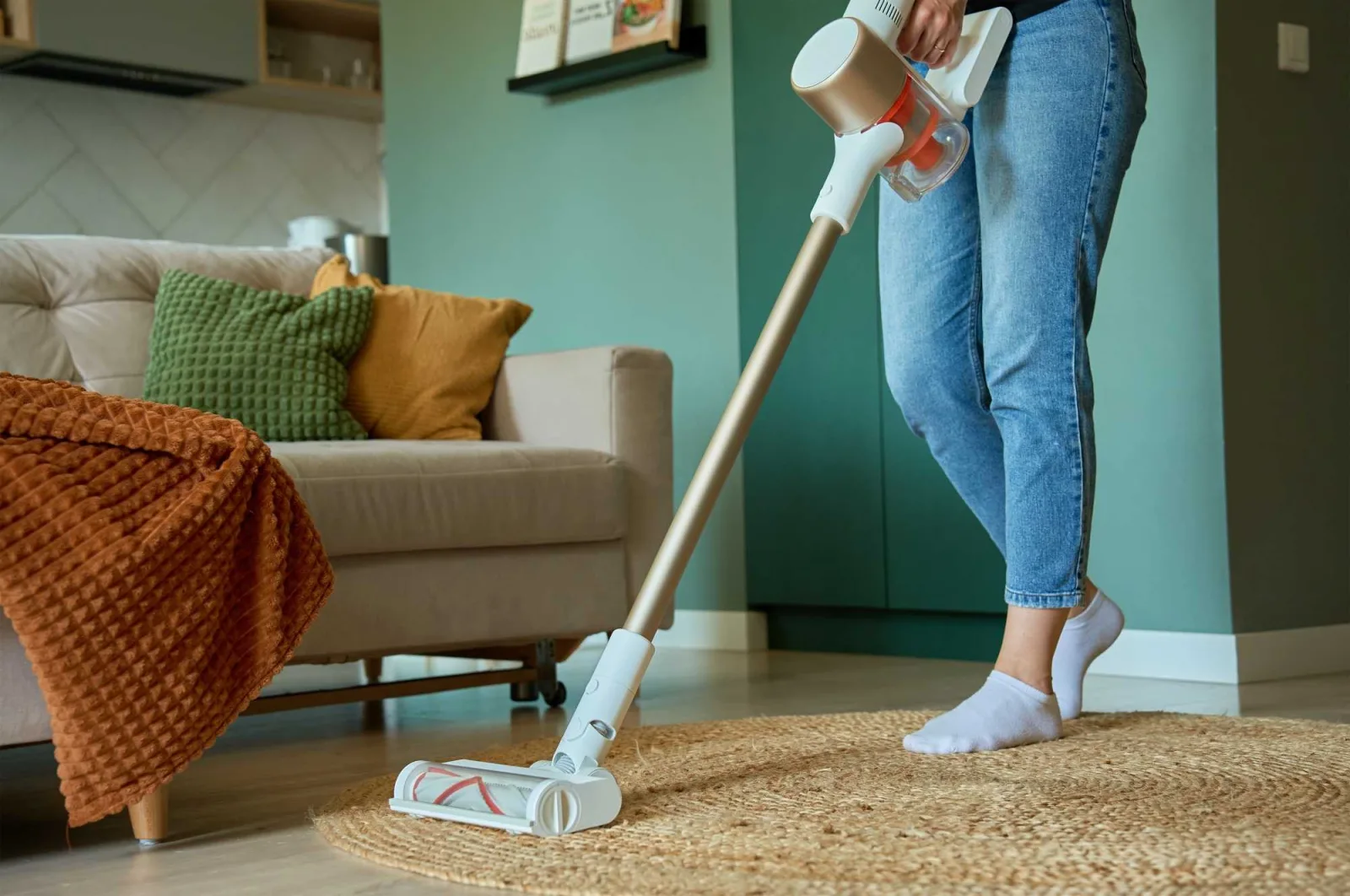
Maintaining clean indoor air quality and consistent cleaning performance in multi-story residences, luxury estates, and commercial spaces across Los Angeles County requires industrial-grade cleaning solutions. Conventional upright and canister vacuum cleaners routinely recirculate micro-dust particles, pet dander, pollen, and fine airborne particulate matter through their exhaust ports, degrading the interior respiratory climate. Central vacuum systems offer a stationary, high-capacity alternative that extracts particulate contaminants entirely from primary living and working zones through dedicated in-wall PVC tubing connected to a centrally housed power unit.
By pulling air and debris out of occupied spaces, central vacuums systematically reduce allergen accumulation and micro-dust settling on high-end interior finishes. Explore custom built-in system solutions through
Mechanical Power Unit Engineering and Airflow Dynamics
The primary power unit serves as the operational engine of any central vacuum assembly. Installed in non-habitable auxiliary areas—such as attached garages, subterranean basements, or mechanical utility closets—these units house high-efficiency motors engineered for elevated Air Watts output, static water lift, and high cubic feet per minute (CFM) airflow. Air Watts represent the true measurement of cleaning capability, combining raw suction pull with air volume movement to dislodge heavy particulate matter from deep carpet fibers.
Modern power units utilize dual-stage or three-stage tangential bypass motors. Unlike standard flow-through vacuum motors that utilize intake air to cool internal motor windings, tangential bypass motors keep cooling air completely separate from contaminated vacuum suction streams. External ambient air is drawn in independently to cool the motor armature, preventing thermal stress, motor contamination, and premature failure. This engineering design guarantees consistent suction power across extensive piping runs in sprawling, multi-level Los Angeles properties.
In-Wall Piping Layouts, Sweep Elbows, and Inlet Valve Placement
Distributing suction effectively across expansive interior floor plans depends on a precisely installed network of thin-walled, low-friction 2-inch PVC tubing. Piping runs are hidden within wall studs, floor joists, drop ceiling cavities, and attic chases. The geometry of every fitting used throughout the network governs airflow velocity and prevents structural clogs.
Sweep Fittings: 90-degree long-radius sweep elbows are placed along main directional pathways to minimize friction losses and eliminate sharp obstruction points caused by elongated debris like pine needles or paper clips.
Tight San-Tees: Sharp 90-degree street elbows are positioned strictly directly behind individual inlet valves. This intentional design choice stops oversized objects right at the wall opening before they can enter the main buried pipe line, allowing for easy manual extraction.
Low-Voltage Wiring: 24-volt electrical wires run alongside the main pipe network, connecting the low-voltage contact points on each wall inlet valve to the central motor control board to activate suction automatically when a hose cuff is inserted.
Strategic positioning of wall inlet valves minimizes the number of wall penetrations while maximizing cleaning coverage. A single well-placed inlet valve typically covers 800 to 1,000 square feet of interior floor area, ensuring that a light 30-foot crushproof hose can easily reach every corner, baseboard, and window sill without needing frequent plug changes.
Retrofitting Existing Structures and New Construction Integration
Integrating a central vacuum system into new residential construction is straightforward during the rough-in framing stage before insulation and drywall application. Technicians route piping paths through pre-drilled timber studs, secure low-voltage control lines, and install backplates for inlet valves with minimal physical constraints.
However, retrofitting built-in vacuum systems into established historic homes or older properties across Los Angeles requires specialized structural knowledge and custom installation techniques. Retrofit installations utilize interior closets, drop-ceiling chases, attic cavities, sub-floor crawlspaces, and unused wall chases to route vertical risers between floor levels without disrupting finished drywall, custom paint, or original decorative molding.
Hide-A-Hose retractable hose systems can also be integrated into wall cavities during retrofits, storing up to 50 feet of flexible vacuum hose directly within the in-wall piping network itself. This eliminates hose storage requirements in hall closets and streamlines day-to-day cleaning routines.
Indoor Air Quality Optimization and HEPA Filtration
Unlike portable upright or canister vacuums that exhaust filtered air directly back into room environments—stirring up settled fine dust and releasing microscopic particles through exhaust ports—central vacuum systems vent exhaust air externally or process it through sealed multi-stage HEPA filtration units.
By expelling microscopic dust mites, pet dander, fungal spores, pollen grains, and volatile organic compounds (VOCs) to the building exterior, central vacuum installations significantly lower ambient allergen counts within interior living zones. Clinical studies have shown that replacing traditional portable vacuums with vented central vacuum systems dramatically reduces allergic rhinitis symptoms, asthma triggers, and upper respiratory irritation for home occupants.
Preventive System Maintenance and Diagnostic Services
Ensuring uninterrupted performance across a built-in central vacuum network requires periodic mechanical tune-ups and physical line clearings. Over time, heavy pet hair accumulation, small plastic items, or accidental moisture intake can cause blockages in hidden wall pipes or reduce overall suction pull.
Professional technicians run reverse-pressure air flushes using high-volume air compressors to dislodge buried clogs safely without damaging internal PVC joints. Diagnostic evaluations include:
Vacuum Gauge Lift Testing: Checking sealed suction lift at both the power unit and individual wall valves to identify pressure drops along specific branch lines.
Motor Carbon Brush Inspection: Checking power unit motor brushes for mechanical wear and replacing them before commutator damage occurs.
Low-Voltage Circuit Continuity Checks: Verifying signal continuity along 24V control wires to prevent intermittent power cycles.
Wall Valve Gasket Inspections: Replacing dried or cracked rubber gaskets on inlet lids to maintain an airtight seal throughout the system.
Regular preventative maintenance preserves peak suction dynamics, protects power unit motors from overheating, and guarantees reliable cleaning capability for decades.
Schedule Your Los Angeles System Consultation
Enhance your property's indoor environment with professional central vacuum installation, repair, and retrofit services. Request your consultation online today through the
0 comments
Log in to leave a comment.
Be the first to comment.