
Biodegradable Products That Actually Work: Real Solutions for Sustainability

The Problem With Biodegradable Claims: A Reality Check
Biodegradable products have long been heralded as the holy grail of sustainable consumerism. Yet, even as supermarket shelves fill with items labeled "biodegradable," the reality is far murkier. Fact one: many so-called biodegradable plastics require industrial composting facilities that exist in only a fraction of municipalities worldwide. Fact two: some products labeled biodegradable break down into microplastics, which persist in ecosystems much longer than advertised. Fact three: biodegradability standards vary wildly between countries and certifiers, creating a confusing patchwork that consumers struggle to navigate.
Before celebrating the rise of biodegradable goods, we need to confront these issues. The term "biodegradable" has been stretched to a point where it often means little more than "less bad" rather than truly sustainable. This article will dissect which products live up to their promises, what innovations have moved the needle in 2026, and how consumers and industries can discern real solutions from greenwashing.
"Not all biodegradable products are created equal; understanding their lifecycle is key to meaningful sustainability." — Dr. Helena Moritz, Environmental Chemist
Tracing the Roots: How Did We Get Here?
The surge in biodegradable products didn't happen overnight. The 2010s saw a rapid backlash against single-use plastics, propelled by viral images of ocean pollution and marine life suffering from plastic ingestion. Governments and corporations scrambled to find alternatives, often settling on "biodegradable" as a catch-all solution.
But the technology behind biodegradables has evolved incrementally, hampered by scientific challenges and economic pressures. Early bioplastics like polylactic acid (PLA) promised compostability but required conditions not replicable in home composts. Meanwhile, natural materials such as starch-based polymers struggled with durability and shelf life.
Despite early setbacks, the last decade witnessed breakthroughs in enzyme-engineered polymers and microbial degradation pathways. Industry leaders began collaborating with research institutions to refine materials that both degrade efficiently and meet market demands. Still, the regulatory environment lagged, leading to inconsistent labeling and consumer distrust.
These developments set the stage for the more sophisticated biodegradable products emerging in 2026. Understanding this history clarifies why so many products failed initial expectations and why today's innovations matter.
Decoding Effectiveness: What Makes a Biodegradable Product Actually Work?
Effectiveness in biodegradability hinges on several scientific and practical factors. First, the material must be capable of breaking down into natural elements—carbon dioxide, water, and biomass—within a reasonable timeframe and without leaving toxic residues.
Second, the environment where degradation occurs is crucial. Products that degrade rapidly in industrial composters might persist for years in soil or marine environments. Third, the product’s entire lifecycle, including raw material sourcing and manufacturing emissions, determines its true sustainability.
Recent data from the European Bioplastics Association offers an insightful comparison:
- PLA-based packaging: Decomposes fully in industrial composting within 90–120 days but remains largely intact in marine or soil environments for over two years.
- PHA (polyhydroxyalkanoates) materials: Derived from bacterial fermentation, these degrade in multiple environments, including seawater, within 6 months.
- Starch-blended films: Show moderate biodegradability but often require additives that complicate recycling.
In 2026, the focus has shifted toward PHA and enzyme-enhanced materials, as they promise broader environmental compatibility. However, scalability and cost remain challenges.
"PHA is the closest we have to a truly biodegradable plastic that performs well across diverse environments." — Lars Jensen, Chief Innovation Officer, EcoPolymer Labs
Current Innovations and Market Leaders in 2026
The biodegradable product market in 2026 is dynamic, with several notable breakthroughs. Companies like BioCycleTech and TerraMater have introduced packaging solutions that combine durability with rapid biodegradation in both industrial and natural settings. Their latest PHA blends include proprietary enzyme additives that accelerate breakdown without compromising strength.
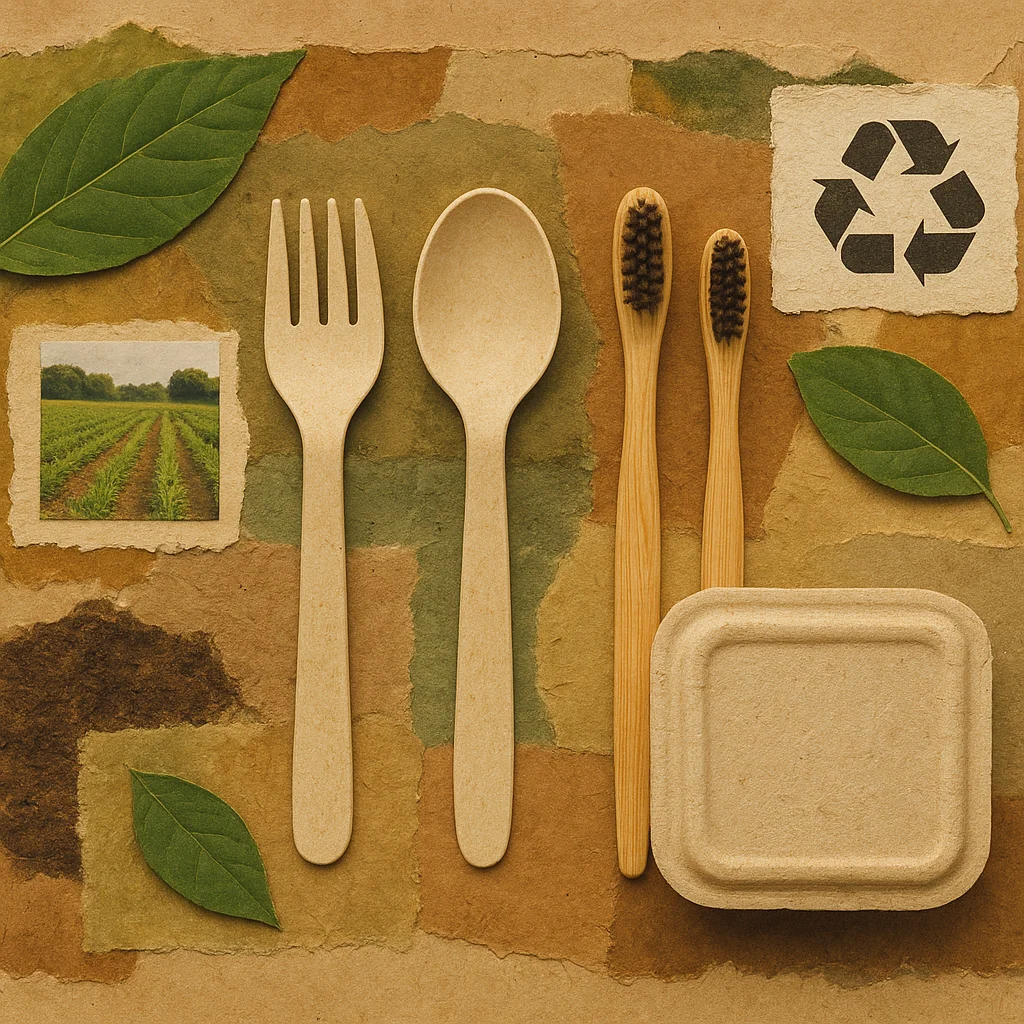
Meanwhile, the food service industry is adopting compostable cutlery and containers made from mycelium-based materials, which decompose in under 30 days in backyard composts. These innovations target the problematic single-use plastic utensils that often end up in landfills or oceans.
On the regulatory front, the European Union’s new Biodegradable Materials Certification Program (BMCP) launched in early 2026, setting stringent standards and mandating clear labeling for biodegradability claims. This has pressured manufacturers to improve transparency and invest in genuine product efficacy.
Consumer demand also drives innovation. According to a 2026 Nielsen survey, 68% of European consumers prefer products with verified biodegradability claims over conventional plastics, even at a premium price. This market shift encourages brands to prioritize research and avoid superficial greenwashing.
- BioCycleTech’s PHA packaging reduces landfill persistence by 85% compared to conventional plastics.
- TerraMater’s enzyme-enhanced films biodegrade in soil and aquatic environments within six months.
- Mycelium-based cutlery sales grew 120% in 2025–2026, driven by zero-waste restaurant initiatives.
For deeper insight into industry trends, see Froodl’s Biodegradable Packaging Market: Material Innovation & Technology Trends 2026-2034.
Case Studies: Real-World Applications That Prove Their Worth
Examining actual deployments highlights which biodegradable products deliver on their promises. In Oslo, Norway, the municipality partnered with BioCycleTech to replace conventional plastic bags with PHA-based alternatives in all municipal stores and markets. After two years, waste audits showed a 40% reduction in plastic pollution in local waterways, with PHA bags decomposing fully in composting facilities and natural environments alike.
In the U.S., a chain of eco-conscious cafés switched to mycelium cutlery and PLA-based cups with a clear end-of-life composting pathway. Despite initial logistical hurdles, they achieved a 75% diversion of single-use items from landfill to compost streams within a year, confirmed by independent waste studies.
However, not all case studies are glowing. A major European supermarket’s attempt to introduce starch-blended films for fresh produce failed as the products became brittle and generated significant food waste due to premature degradation. This highlights the delicate balance between biodegradability and functional durability.
- Oslo PHA Bags: 40% plastic pollution reduction, full biodegradation verified.
- U.S. Eco Cafés: 75% compost diversion, enhanced consumer awareness.
- European Supermarket Starch Films: Functional failure led to increased food waste.
These examples underscore that effective biodegradable products require careful integration into existing waste management systems and user behaviors.
Expert Perspectives and Industry Impact
Experts emphasize that biodegradable products must be part of a broader circular economy framework rather than standalone fixes. Dr. Helena Moritz warns that "biodegradability should not justify single-use culture but complement efforts to reduce consumption and improve recycling infrastructure."
Industry leaders are also adapting. Lars Jensen notes that many companies are integrating biodegradability with carbon-neutral manufacturing, pushing for full lifecycle accountability. The rise of enzyme-enhanced bioplastics reflects this holistic approach, targeting environmental impact reduction at every stage.
Moreover, the packaging sector is seeing a consolidation trend, with startups partnering with established manufacturers to scale production of advanced biodegradable materials. This collaboration is crucial to overcoming cost and supply chain challenges that have historically limited adoption.
Consumer education remains a bottleneck. According to a 2026 report by the Global Plastics Alliance, only 35% of consumers understand the difference between compostable, biodegradable, and recyclable labels, leading to contamination in recycling and composting streams.
"Without consumer literacy, even the best biodegradable products fail to realize their environmental potential." — Sarah Kim, Sustainability Consultant
What to Watch: Future Outlook and Actionable Takeaways
Looking ahead, the biodegradable product market is poised for continued evolution, driven by scientific innovation, regulatory tightening, and shifting consumer values. Key trends to monitor include:
- Advancements in microbial and enzymatic degradation: New biotechnologies could enable faster and more environment-agnostic breakdown of plastics.
- Integration with circular economy policies: Governments may increasingly mandate biodegradability alongside recycling targets, incentivizing hybrid solutions.
- Expansion of certification and labeling standards: Clear, universal standards will help consumers make informed choices and reduce greenwashing.
For consumers and businesses, the following strategies can maximize the impact of biodegradable products:
- Prioritize products certified by reputable programs like the EU BMCP.
- Support local infrastructure development for composting and organic waste management.
- Advocate for transparency and lifecycle analysis from manufacturers.
Exploring Froodl’s The Future of Biodegradable Products That Actually Work provides a forward-looking analysis of these dynamics.
Ultimately, biodegradable products that actually work require more than innovative materials—they demand systemic change and informed participation from all stakeholders.
0 comments
Log in to leave a comment.
Be the first to comment.