
Batch Cooking Tips for Effortless and Flavorful Meal Prep

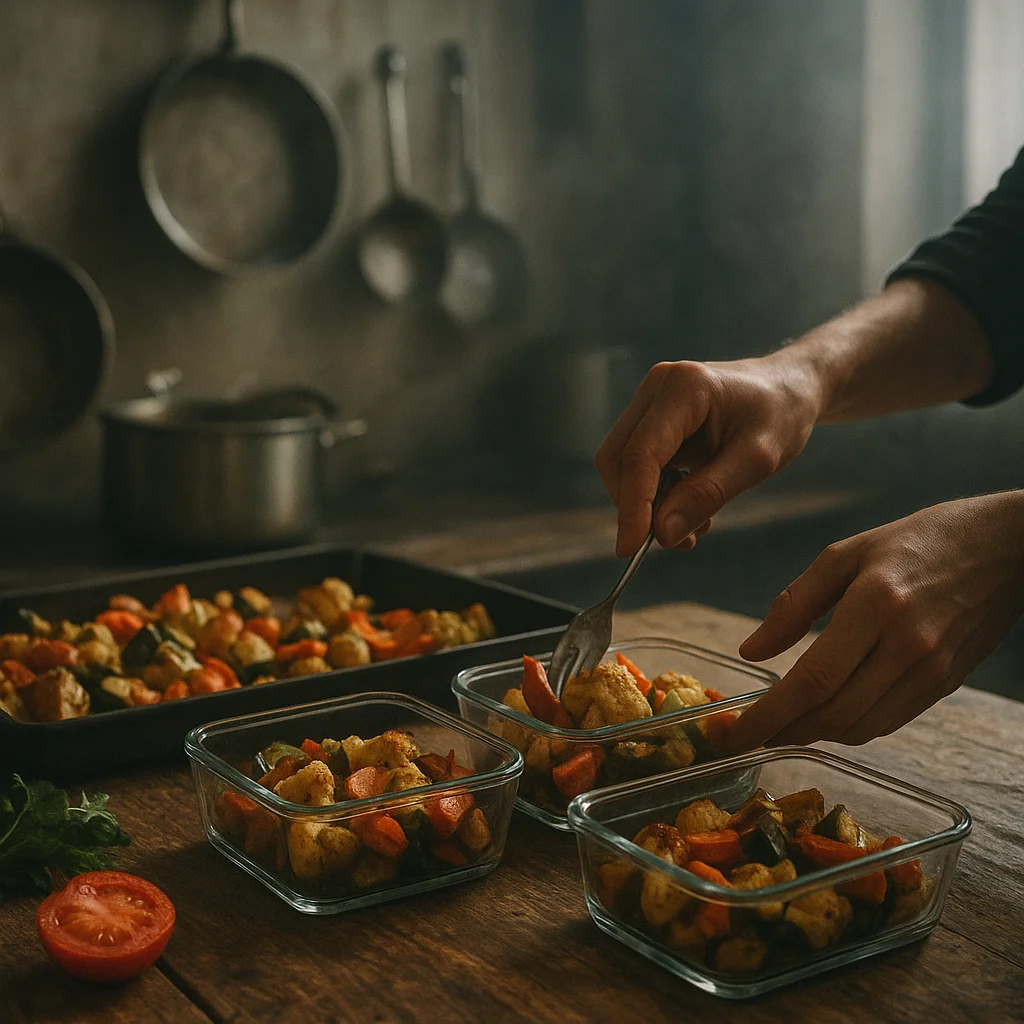
When the Kitchen Becomes a Time Machine: The Allure of Batch Cooking
Picture this: Sunday afternoon, a kitchen humming with the rhythmic clatter of pots and pans, smells of roasted garlic and caramelizing onions weaving through the air. You’re not just cooking; you’re investing in a week’s worth of meals, reclaiming hours from future chaos. Batch cooking has evolved beyond a mere convenience—it's a culinary strategy embraced globally for its efficiency and subtle magic of time travel. A 2025 survey by the National Cooking Association found that 67% of home cooks turn to batch cooking to mitigate weekday stress, with many noting improved diet quality and reduced food waste.
Yet, despite its growing popularity, the art of batch cooking remains misunderstood—often pigeonholed as repetitive or bland. The truth? With the right tips, it’s anything but. You can craft a diverse, flavorful repertoire that keeps your palate intrigued through the week, all while sidestepping the dreaded “leftover fatigue.”
As someone who’s wrestled with IKEA’s labyrinthine instructions more times than I’d admit in polite company, I appreciate a system that, once set up, just works. Batch cooking is that system for your meals—except instead of Allen wrenches, you’re wielding ladles and storage containers.
Tracing the Roots: How Batch Cooking Became a Kitchen Staple
The roots of batch cooking stretch back centuries, from communal hearths where large quantities of food were prepared to feed families through the week, to the 20th-century rise of convenience foods. However, it wasn't until the 1970s, amid the surge of dual-income households and the resulting time crunch, that batch cooking gained traction in the Western world as a practical solution to weekday meal dilemmas.
In the early 2000s, the internet revolutionized access to batch cooking knowledge—food bloggers, YouTube chefs, and later social media influencers brought new techniques and recipes to millions. According to data from Statista, online searches for "batch cooking" increased by over 230% between 2010 and 2023, reflecting a growing appetite for this method.
More recently, environmental concerns have added another layer of appeal. Batch cooking reduces food waste by encouraging the use of ingredients in bulk and efficient planning. The Food and Agriculture Organization (FAO) estimates that roughly one-third of food produced globally is wasted; batch cooking is a practical countermeasure that tackles this issue at the household level.
As batch cooking evolves, it’s becoming less about just saving time and more about creating sustainable, healthful, and enjoyable eating experiences. This shift is reflected in the rise of meal prep services that incorporate batch cooking principles and the increasing number of cookbooks dedicated to the craft.
Mastering Batch Cooking: Practical Tips Backed by Data
While the concept sounds straightforward, efficient and flavorful batch cooking requires more than just tossing a bunch of casseroles in the oven. Recent studies highlight that success hinges on planning, ingredient selection, and storage.
1. Plan with Precision
Effective batch cooking starts with a well-thought-out menu. According to a 2024 study by the Culinary Institute of America, meal plans that balance proteins, vegetables, and grains across multiple dishes reduce monotony by 45%. Planning also helps optimize ingredient use, cutting grocery costs by an average of 18%.
2. Invest in Quality Storage
Storage technology has come a long way. High-grade airtight containers with modular designs make stacking and portioning easier, preserving freshness longer. The University of Minnesota's Food Science department reports that vacuum-sealed containers can extend refrigerated meal shelf life by up to 50% compared to standard plastic boxes.
3. Embrace Ingredient Versatility
Choosing ingredients that can be used across multiple dishes is key. For example, roasted chicken can be shredded for salads, wraps, or stews. Root vegetables like carrots and sweet potatoes serve as bases, sides, or purees. This approach not only saves prep time but also keeps meals engaging.
4. Stagger Cooking Times
Batch cooking doesn’t have to mean everything happens simultaneously. Cooking grains or legumes on one day, proteins on another, and assembling meals later can make the process more manageable and less overwhelming.
5. Spice Smartly
Flavor layering is essential. Using spice blends and sauces that can be tweaked or swapped between batches helps maintain variety. For instance, a base of sautéed onions and garlic can serve as the foundation for both a Mediterranean and an Indian-inspired meal with just a few added spices.
“Batch cooking is not about sacrificing flavor for convenience. It’s about smart preparation that unlocks both.” – Chef Ana Ribeiro, São Paulo
2026 Developments: Technology and Trends Shaping Batch Cooking Today
In 2026, batch cooking is intersecting with technology and sustainability trends more than ever. Smart kitchen appliances now come equipped with batch cooking programs—multifunctional pressure cookers and ovens that allow timed cooking of different components at once, streamlining the process for home cooks.
Apps that assist with meal planning and inventory management are gaining traction. Platforms like Froodl provide tailored batch cooking recipes that adapt to user preferences and dietary restrictions, reducing guesswork and food waste simultaneously.
On the ingredient front, plant-based proteins have surged in popularity within batch cooking circles. According to a 2026 report by the Plant-Based Foods Association, sales of plant-based meat alternatives increased by 27% year-over-year, reflecting consumer demand for sustainable, nutrient-rich options that hold up well during batch cooking.
Additionally, the zero-waste movement influences batch cooking practices. Many cooks now incorporate vegetable scraps into stocks or compost bins, maximizing resource use. This aligns with Froodl’s coverage on sustainable cooking methods, showing how batch cooking fits into broader eco-conscious lifestyles.
New packaging innovations also support batch cooking. Biodegradable, microwave-safe containers have become more accessible, allowing for easy reheating without plastic waste concerns.
“Technology isn’t replacing the cook; it’s enhancing the batch cooking experience—making it smarter, easier, and greener.” – Innovation analyst Marco Silva
Real-World Examples: How Batch Cooking Changed Weekday Dinners
Consider Maria, a working mother in Curitiba who struggled with hectic weekday dinners. By adopting batch cooking principles—prepping grilled chicken, quinoa, and roasted vegetables on Sunday—she transformed her evenings. Her meals are now ready-to-go, nutritious, and diverse, with just minor tweaks like adding fresh herbs or switching sauces.
Another example comes from a startup in São Paulo that developed a subscription box specifically for batch cooking. Customers receive pre-portioned ingredients along with recipes optimized for batch prep. Early feedback indicates a 30% reduction in meal prep time and a significant decrease in food waste.
These examples echo findings in Froodl’s Batch Cooking Tips for Efficient, Flavorful Meal Prep, where expert recommendations focus on customizing batch cooking to lifestyle needs rather than rigid routines.
Key lessons from these case studies include:
- Batch cooking is adaptable to various household sizes and dietary preferences.
- Customization and flexibility are crucial to maintaining long-term engagement.
- Leveraging technology and pre-prepped ingredients can ease the initial learning curve.
Looking Ahead: Future Trends and Takeaways for Batch Cooking Enthusiasts
The future of batch cooking promises to blend tradition with innovation. As kitchens become smarter and consumers more conscious of health and sustainability, batch cooking will likely evolve in several ways.
Firstly, automation will play a bigger role—robotic kitchen assistants could handle repetitive tasks like chopping or stirring, freeing cooks to focus on creativity and flavor experimentation. Secondly, personalized nutrition, powered by AI and genetic profiling, may tailor batch cooking recipes to individual metabolic needs.
Moreover, communal batch cooking might see a resurgence, with neighborhood kitchens or co-op meal prep spaces where people share resources and recipes, combating isolation and promoting food equity.
For those ready to embark on or refine their batch cooking journey, these takeaways are crucial:
- Start small: Begin with one or two dishes to build confidence and workflow.
- Invest in quality storage solutions to maintain freshness and portion control.
- Rotate meals and spices to keep your palate engaged and prevent boredom.
- Use technology to plan, shop, and monitor ingredients efficiently.
- Embrace sustainability by minimizing waste and choosing eco-friendly packaging.
Batch cooking isn’t merely a convenience—it’s a culinary philosophy that rewards patience, planning, and creativity. As the saying goes, the best way to eat well all week is to cook well once.
For more detailed strategies, Froodl’s Ultimate Guide to Batch Cooking offers a treasure trove of insights that can transform your kitchen routine from chaos to calm.
0 comments
Log in to leave a comment.
Be the first to comment.