
Addiction Recovery Guide: Treatment, Safety & Family Support
Addiction recovery guidance with family support and rehabilitation information

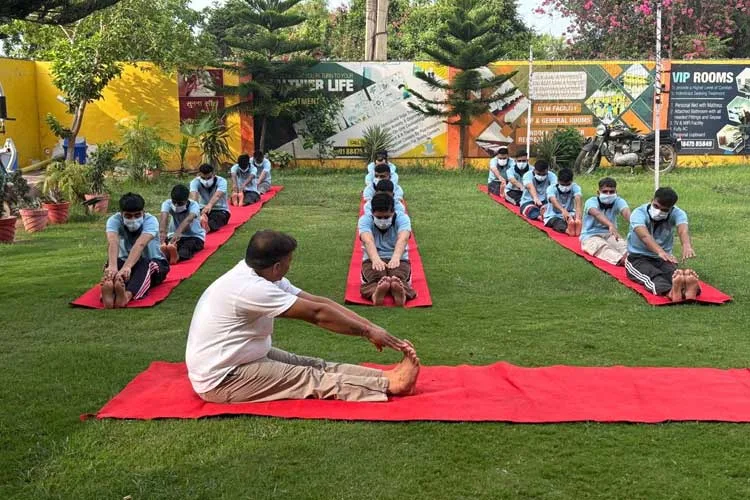
Addiction does not affect only one person. It can affect an entire family, damage relationships, interrupt careers, create financial pressure, and gradually take away a person's confidence. For many families, the hardest part is knowing when to seek professional help and how to choose a treatment provider they can trust.
Whether someone is struggling with alcohol dependence, drug use, recurring cravings, or repeated attempts to quit, recovery begins with understanding the problem and choosing an appropriate treatment plan. Searching online for a Nasha Mukti Kendra is often the first step, but families should also examine medical supervision, professional qualifications, safety procedures, and the provider's current registration.

Jivan Ka Ehsaas Nasha Mukti Kendra is an organisation that publishes information about addiction recovery and rehabilitation through its website. The organisation identifies Gagandeep as its founder and states that it was established in 2010. Families researching its services should verify current facility locations, authorisations, and treatment arrangements before making a decision.
Recognising Addiction Before It Causes Further Harm
One of the most difficult challenges is recognising when substance use has become a serious problem. A person may initially drink alcohol or use drugs socially, but the pattern can become increasingly difficult to control. Families may notice changes in behaviour without understanding what is causing them.
Common warning signs include frequent intoxication, increasing consumption, unsuccessful attempts to quit, neglecting work or studies, withdrawing from friends, financial difficulties, disrupted sleep, and continuing substance use despite health or relationship problems.
Some people may also experience anxiety, low mood, irritability, or difficulty managing everyday responsibilities. These signs do not establish a diagnosis on their own, but they can indicate that a professional assessment is needed.
Instead of responding with humiliation or threats, family members can encourage an honest conversation and help the person access qualified medical or psychological support. Early intervention may help prevent further complications and make it easier to develop a suitable treatment plan.
Why Addiction Treatment Requires More Than Willpower
A person struggling with addiction may sincerely want to stop but find it difficult to maintain changes without support. Substance use disorders can involve physical dependence, cravings, emotional triggers, environmental pressures, and coexisting mental health concerns.
This is why treatment should be based on an individual assessment rather than a standard promise of recovery for everyone.
Depending on the person's needs, appropriate care may include medical evaluation, supervised withdrawal management, counselling, behavioural therapies, medication when clinically indicated, family support, and a structured aftercare plan.
Alcohol withdrawal can sometimes be life threatening, particularly after prolonged heavy drinking. Families should seek medical advice before attempting to stop heavy alcohol use abruptly. Severe confusion, seizures, breathing difficulties, or loss of consciousness require emergency medical attention.
A responsible treatment provider should explain the proposed approach, possible risks, expected costs, professional involvement, and follow-up arrangements clearly.
What Should You Check Before Choosing a Nasha Mukti Kendra?
When comparing rehabilitation options, do not base your decision only on website rankings, attractive photographs, or claims of guaranteed results. Ask direct questions and verify the answers.
Check whether the facility holds the registrations and permissions required by the relevant authorities. Confirm that qualified medical professionals are available when needed, that emergencies can be managed safely, and that the treatment plan accounts for the person's physical and psychological needs.
Ask about counselling, family involvement, medicines, accommodation, privacy, total fees, discharge planning, and relapse prevention. Request clear written information before paying for treatment.
Be cautious if a provider promises a permanent cure, pressures you to pay immediately, refuses to explain its credentials, or cannot demonstrate the required authorisation. Addiction recovery is a process, and no provider can guarantee the same outcome for every person.
Alcohol and Drug Addiction Treatment: Understanding the Options
Alcohol and drug dependence may require different forms of care. A professional assessment helps determine whether the person needs urgent medical treatment, supervised withdrawal management, residential rehabilitation, outpatient counselling, or a combination of services.
For some individuals, medication can help manage withdrawal symptoms or reduce cravings. Psychological treatment can help people identify triggers, change harmful patterns, and develop healthier ways to respond to stress.
Counselling may also address emotional difficulties, relationship conflicts, social pressure, or other issues associated with substance use. Where a mental health condition exists alongside addiction, both concerns should be considered in the treatment plan.
Families should ask how progress will be assessed and what support will be available after the initial treatment period. A meaningful recovery plan should extend beyond the first days or weeks and help the person prepare for everyday life.
The Importance of Family Counselling and Emotional Support
Addiction can leave family members feeling exhausted, frightened, angry, or helpless. Parents may worry about their child's future, partners may struggle to rebuild trust, and children may experience uncertainty at home.
Supportive communication can make it easier to seek treatment. Families can establish clear boundaries, avoid shaming language, and encourage professional help without taking responsibility for every aspect of another person's recovery.
Family counselling, when appropriate, can help relatives understand addiction, improve communication, and create a more supportive home environment. Family members may also need their own emotional support, particularly after prolonged periods of conflict or uncertainty.
Recovery should preserve a person's dignity while recognising that family safety and well-being matter too.
Preventing Relapse and Supporting Long Term Recovery
Leaving a rehabilitation programme does not automatically eliminate cravings or the risk of relapse. Returning to familiar surroundings may bring exposure to old habits, stressful relationships, social pressure, or situations associated with substance use.
A practical aftercare plan can include regular follow-up appointments, ongoing counselling, support groups, healthy daily routines, and strategies for responding to cravings. Individuals can also work with their care providers to identify warning signs and decide what steps to take if difficulties return.
Relapse should be treated as a reason to reassess the support plan, not as proof that recovery is impossible. Prompt professional guidance can help determine what changes may be necessary.
The aim is to help people build a healthier and more sustainable life, with support suited to their circumstances and changing needs.
Exploring Local Addiction Recovery Information
Families often search for treatment options in their own city because travel, cost, and distance from relatives can affect their decisions. The following location pages may help readers explore the information published by Jivan Ka Ehsaas Nasha Mukti Kendra. A website page alone does not establish that a currently authorised facility operates at that location, so verify the actual treatment address and regulatory status before proceeding.
For readers researching Jammu, the organisation's homepage is available here: Nasha Mukti Kendra in Jammu.
Families researching options in the Kashmir Valley can also review Nasha Mukti Kendra in Srinagar and independently confirm the provider's current location, qualifications, and authorisation.
For people exploring information relevant to Punjab, the published pages include Nasha Mukti Kendra in Ludhiana and Nasha Mukti Kendra in Jalandhar. Readers considering services in the Chandigarh region can also visit Nasha Mukti Kendra in Chandigarh.
These links are provided for information and navigation, not as an endorsement or confirmation of current operating permission. Always verify the specific facility before arranging an admission.
Important Safety Information About the Jammu Address
A report published by Daily Excelsior on 16 July 2026 stated that the Jammu district administration had sealed the Kunjwani facility associated with Jivan Ka Ehsaas Nasha Mukti Kendra after an inspection found that documentary proof of registration had not been produced. The report identified the address as 297, Elecon Complex, Lane No. 7, Ekta Vihar, near the Air Force Radar Station, Kunjwani, Jammu.
Families should independently check with the Jammu health authorities whether any subsequent authorisation or change in status has occurred before considering that facility. The website's continued publication of an address is not proof of current registration.
For any city, choose a facility only after verifying its legal status, professional credentials, safety standards, and suitability for the patient's needs.
Jivan Ka Ehsaas Nasha Mukti Kendra: Organisation and Contact Information
Jivan Ka Ehsaas Nasha Mukti Kendra is the organisation name used on its official website. The website identifies Gagandeep as the founder and states that the organisation was established in 2010. These details are attributed to the organisation's own published information.
The website lists the following contact details:
Phone: +91 95015 93164
Additional phone: +91 90416 09055
Email: [email protected]
Website: https://www.jivankaehsaasnashamuktikendra.com/
The website also lists an address in Aerocity, Mohali, Punjab: House No. 8199, Gate No. 1, Aerocity Block I, near Chhat Beed Light, Mohali, Punjab 140306. Verify the address, current availability, and applicable registration independently before visiting or making a payment.
Contact details being published online do not establish that a centre is currently authorised to provide residential or medical addiction treatment. Families should request current documentation and confirm it with the relevant authority.
Take the First Step Towards a Safer Recovery Journey
Addiction can create fear and uncertainty, but informed decisions can help families move towards appropriate care. Recognising the warning signs, arranging a professional assessment, understanding treatment choices, and preparing for long-term support are important steps towards recovery.
The best treatment decision is not necessarily the one advertised most aggressively. It is the one supported by verified credentials, qualified professionals, clear communication, appropriate medical care, and a realistic plan for continued recovery.
For anyone seeking help, the priority should always be safety, dignity, and treatment suited to the individual. With appropriate professional support and sustained effort, people can work towards healthier routines, stronger relationships, and a more stable future.
0 comments
Log in to leave a comment.
Be the first to comment.